Global Economic Imbalances Explained
Introduction to Global Imbalances
A World Out of Balance
In the global economy, just like in a household, you have income and expenses. Some countries consistently spend more than they earn from the rest of the world, while others earn far more than they spend. When these differences become large and persistent, we call them global imbalances.
Think of it this way: imagine a town where one family, the Smiths, buys goods from everyone else but doesn't sell much in return. They run up a tab. Meanwhile, the Jones family sells goods to everyone but doesn't buy much. They accumulate a lot of savings. If this continues for years, the Smiths' debt becomes massive, and the Joneses' savings become huge. This creates a fragile situation. A similar dynamic plays out between countries on a global scale.
Tracking the Flow
Economists measure these imbalances using a country's current account. It’s the broadest measure of a country's transactions with the rest of the world. A country running a current account deficit is spending more on foreign goods, services, and investments than it's earning from them. It's a net borrower from the world. A country with a current account surplus is earning more than it's spending abroad. It's a net lender.
The current account has a few key components:
- Trade Balance: The difference between a country's exports and imports of goods and services. This is the biggest piece for most countries.
- Net Income: Income earned by residents from their foreign investments minus income paid to foreigners on their domestic investments.
- Net Current Transfers: Things like foreign aid or money sent home by citizens working abroad.
Where is the current account, is the trade balance, is net income, and is net current transfers.
| Country | Exports | Imports | Net Income | Net Transfers | Current Account Balance |
|---|---|---|---|---|---|
| Surplusia | $500B | $300B | $50B | -$10B | $240B Surplus |
| Deficitland | $200B | $400B | -$30B | -$5B | -$235B Deficit |
A Brief History of Imbalance
Global imbalances are not a new phenomenon, but they became particularly stark in the early 2000s. In the years leading up to the 2008 financial crisis, the United States ran enormous current account deficits. American consumers bought vast quantities of goods from abroad, financed by borrowing. At the same time, countries like China, Germany, and Japan ran massive surpluses. They saved a lot, exported heavily, and used their earnings to buy U.S. financial assets, like Treasury bonds. This relationship was sometimes called Bretton Woods II.
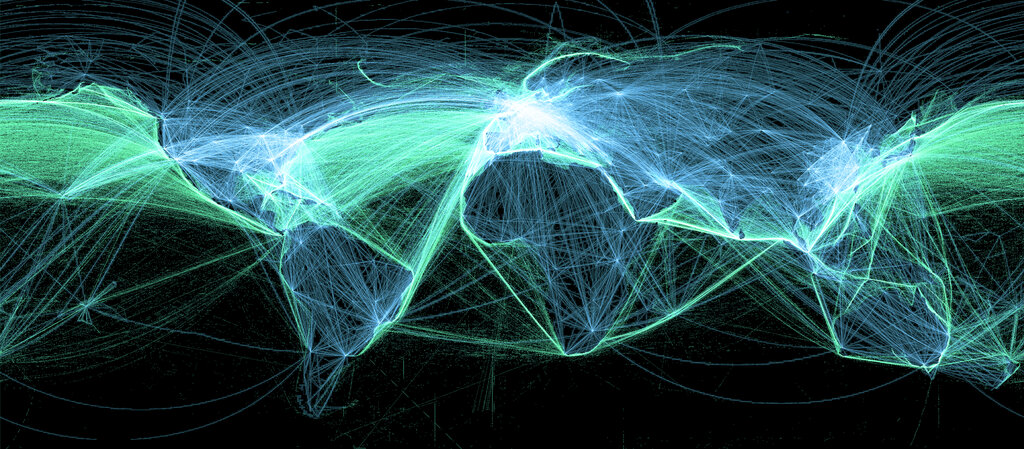
This created a strange kind of symbiosis: American spending fueled the export-led growth of surplus countries, while their savings kept U.S. interest rates low, allowing the spending to continue. But this system was inherently unstable.
Large, persistent imbalances create deep interdependencies. A shock in one part of this system can quickly spread to others, threatening the stability of the entire global economy.
The Global Referees
Because these imbalances can pose a risk to everyone, international institutions were created to monitor the global economy and help maintain stability. The most important of these is the International Monetary Fund (IMF).
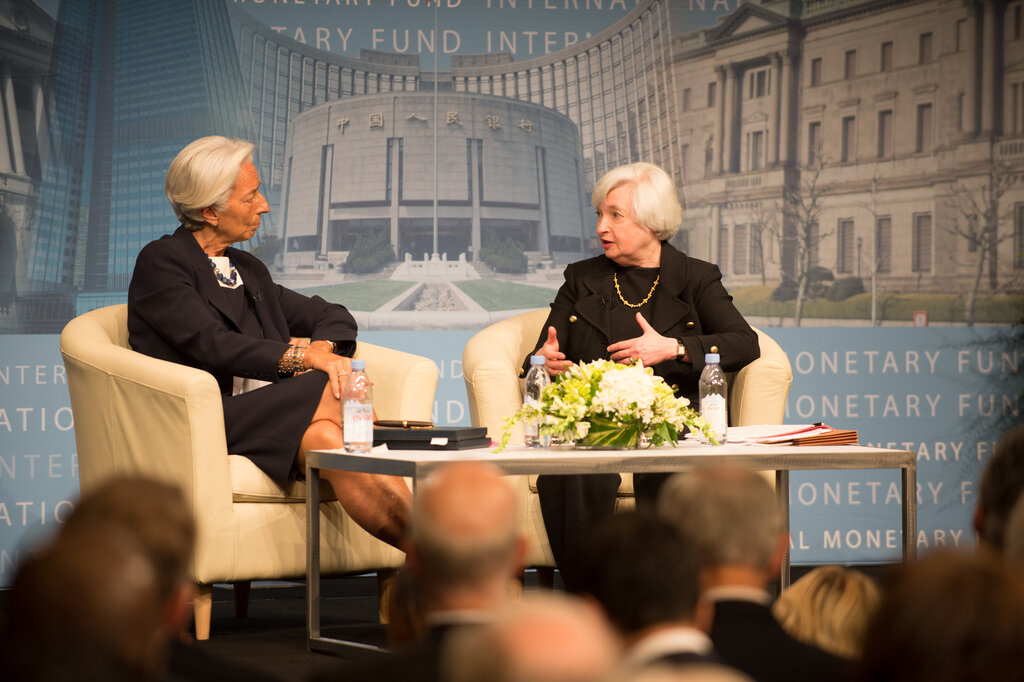
A core part of the IMF's mandate is to perform regular economic health checks on its member countries. It analyzes their current account balances, exchange rates, and debt levels. If the IMF determines that a country's deficits or surpluses are excessive and pose a risk to global stability, it will engage with that country's government, offering policy advice to help correct the imbalance. This might involve recommendations to boost savings in deficit countries or to stimulate domestic spending in surplus countries.
That gap has meant missed opportunities for the global economy – particularly in terms of asset liability management, responsive liquidity, adjustment between deficit and surplus countries – and thus a gap between actual and potential growth.
While the IMF can't force countries to change their policies, its analysis and recommendations carry significant weight in global financial circles and can influence a country's ability to borrow from international markets. Its role is to be a neutral arbiter, encouraging cooperation to prevent imbalances from spiraling into a crisis.
A country that consistently spends more on foreign goods, services, and investments than it earns from the rest of the world is said to have a...
Which of the following is typically the largest component of a country's current account?
Understanding what global imbalances are and how they are measured is the first step. Next, we'll explore what causes them in the first place.