Global Desserts Expedition
Introduction to Global Desserts
A World of Sweets
What is a dessert? For many, it’s a sweet treat that follows a meal. But the world of desserts is much larger and more complex than just cake and ice cream. Desserts can be a comforting snack, a central part of a celebration, or a daily ritual.
Dessert
noun
A sweet course eaten at the end of a meal, or a sweet food eaten as a snack.
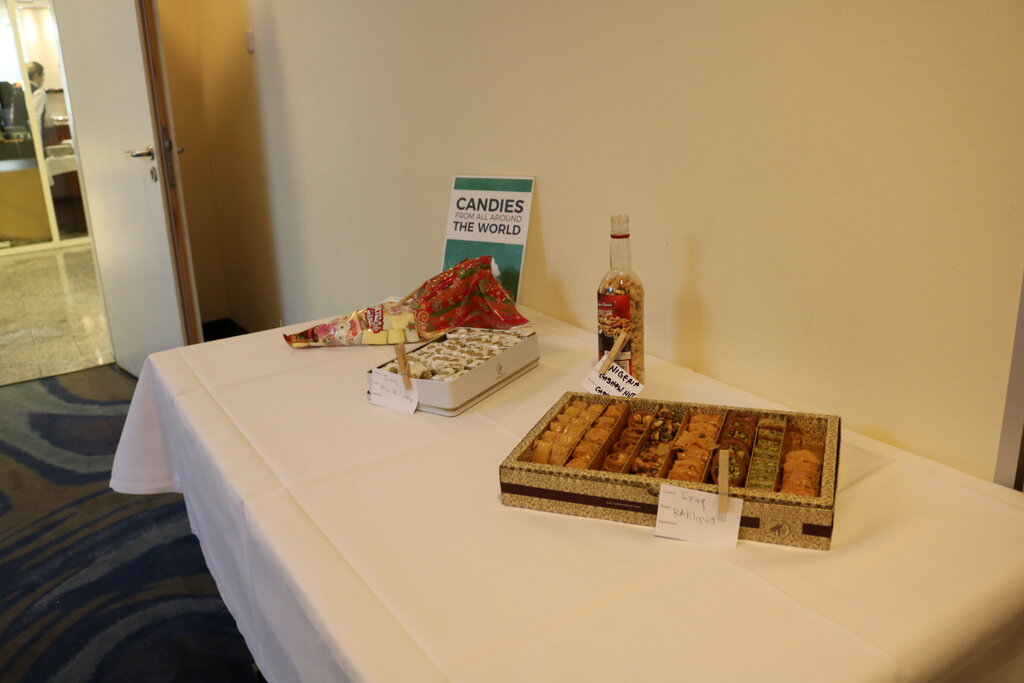
The variety is stunning. Some desserts, like Italian gelato, are creamy and cold. Others, like Middle Eastern baklava, are flaky, nutty, and soaked in syrup. In India, you might find gulab jamun, soft dough balls drenched in a sweet, fragrant sauce. The forms, flavors, and textures are nearly endless, creating a global map of sweet traditions.
Geography and Ingredients
The desserts of a region are shaped by the ingredients that grow there. In tropical climates, fruits like coconut, mango, and banana are common stars. Think of Thai mango sticky rice or Brazilian quindim, a bright yellow coconut custard.
In colder climates, you'll find desserts made with apples, berries, and dairy, like a classic American apple pie or a creamy Russian syrniki (cheese pancake). The availability of local ingredients is the foundation of any regional cuisine, and dessert is no exception.
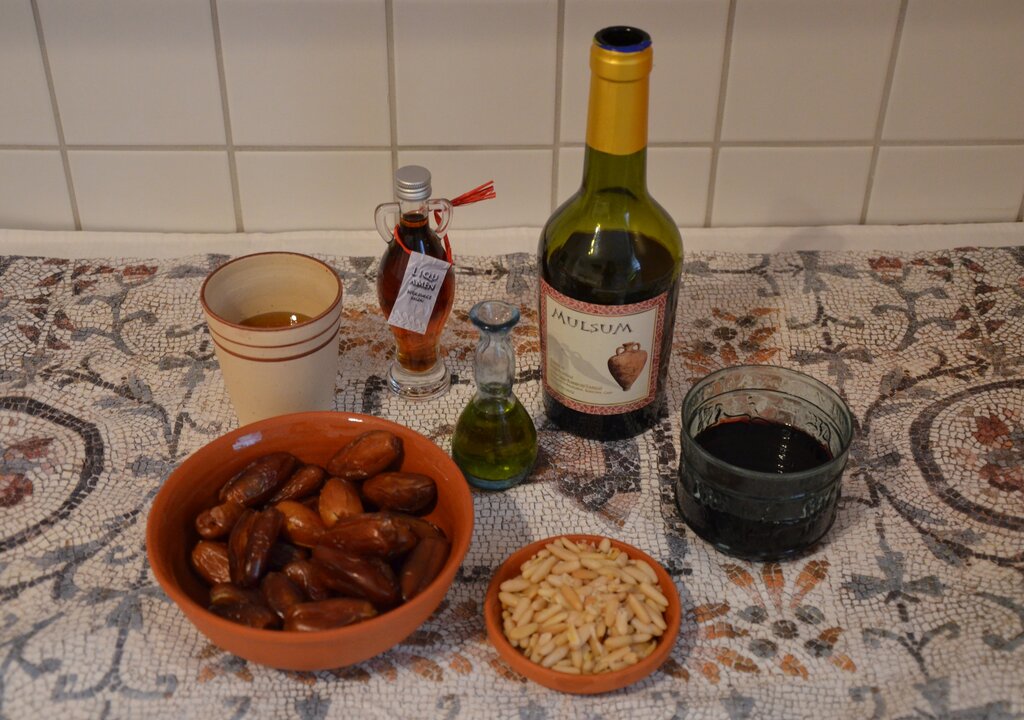
What grows locally often becomes what's eaten locally. The land itself writes the first draft of every recipe.
Culture and History
History also leaves its mark. Trade routes, like the Silk Road, introduced new ingredients and techniques across continents. Sugar, once a rare luxury from Southeast Asia, spread globally and transformed how sweets were made. Colonization and migration also played a big role, blending culinary traditions. For example, the Portuguese introduced their love of egg-based sweets to Japan, which led to the creation of castella, a popular sponge cake.
Religious festivals and social traditions often have specific desserts associated with them. A particular sweet might be made only for a wedding, a new year celebration, or a religious holiday, making it a special symbol of that cultural moment.
Mastering global cuisine is more than following recipes—it’s about understanding the techniques, traditions, and flavors behind every dish.
Understanding these influences helps us see desserts as more than just food. They are delicious stories about a place, its people, and their history.
According to the text, what is the primary role of local ingredients in shaping a region's desserts?
The Japanese sponge cake castella is presented as an example of what phenomenon?