Global Compensation Strategy and Currency Management
Currency Fluctuations
The Shifting Sands of Payroll
When your company operates across borders, payroll isn't just about paying people. It's about navigating the constant ebb and flow of currency exchange rates. These fluctuations are a normal part of the global economy, driven by everything from interest rates to political stability. For a business, this volatility directly impacts the bottom line.
Imagine a US-based company agrees to pay an employee in Germany €5,000 per month. In January, the exchange rate is $1.10 per euro. The cost to the company is $5,500. By June, the euro might strengthen to $1.15. That same €5,000 salary now costs the company $5,750. That's an extra $250 per month, or $3,000 a year, for just one employee. When you multiply this across an entire international team, the financial impact can be significant.
The Employee's Perspective
The company isn't the only one affected. Exchange rate swings can create real-world problems for employees. Consider the reverse scenario: the same employee in Germany is paid a fixed salary in US dollars, say $5,500. When the exchange rate is $1.10 per euro, they receive €5,000.
But what if the dollar weakens against the euro, and the rate drops to $1.05? Suddenly, that $5,500 salary is only worth about €4,782. Their rent, groceries, and daily expenses are all in euros, but their income has just shrunk. This instability in purchasing power can be incredibly stressful and can harm morale and loyalty.
Even more serious are the compliance risks. A sudden currency shift could inadvertently drop an employee's effective pay below the legal minimum wage in their country, putting the company in a difficult legal position.
Strategies for Stability
Fortunately, companies aren't helpless against currency volatility. There are practical strategies to manage the risk and create stability for both the business and its employees.
The most straightforward approach is to pay employees in their local currency. This shifts the currency risk from the employee to the company. While the company's payroll costs in its home currency will still fluctuate, its employees get a predictable paycheck they can count on. This simple step builds trust and removes a major source of financial anxiety for the team.
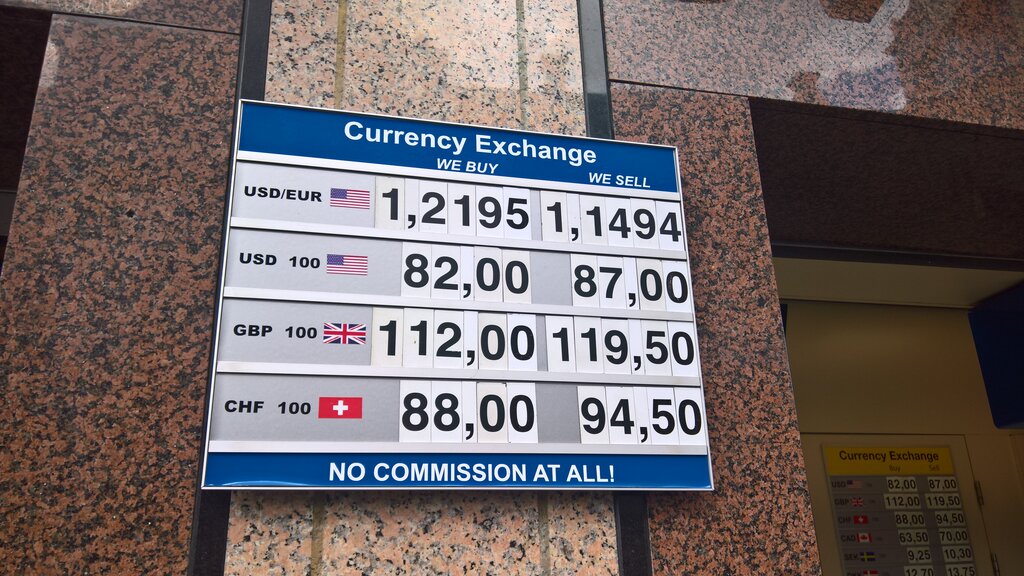
Exchange rate fluctuations can significantly impact payroll costs.
For companies that want more predictability in their own budgets, financial tools can help. One common tool is a forward contract.
Forward Contract
noun
A financial agreement to exchange a pair of currencies at a predetermined exchange rate on a specific date in the future.
Essentially, a forward contract allows a company to lock in an exchange rate for a future payment. For example, the US company could enter into a contract in January to buy euros for its payroll in March, April, and May at today's rate of $1.10. Even if the market rate climbs to $1.15, the company still gets to exchange at the agreed-upon $1.10 rate, protecting it from the increase. The trade-off is that if the rate drops, they don't benefit from the favorable change. The goal isn't to beat the market, but to eliminate uncertainty.
Finally, proactive monitoring is key. Companies should regularly review exchange rates and adjust their budgets and financial strategies as needed. Staying informed allows a business to react thoughtfully rather than being caught by surprise.
A Canadian company agrees to pay an employee in the UK £3,000 per month. If the exchange rate moves from C1.75/£1, what is the impact on the company's monthly payroll cost for this employee?
A US-based company pays its Spanish employee a fixed salary in US dollars. If the US dollar weakens against the euro, what is the primary consequence for the employee?
Managing currency risk is a critical part of running a global team. With the right strategies, you can provide a stable and fair compensation experience for your employees while protecting your company's financial health.