Global Coffee Excellence
Coffee Botany
The Two Stars of Coffee
When you drink a cup of coffee, you're tasting the end result of a long journey that begins with a plant. While there are over 100 different species of coffee plants, the global coffee industry is dominated by just two: Coffea arabica and Coffea canephora. You probably know the second one by its common name, Robusta.
These two plants aren't just slightly different versions of each other. They're distinct species with unique genetics, different needs, and they produce beans that taste, smell, and even feel different. Understanding them is the first step to understanding everything else about coffee.
The Delicate Arabica
Coffea arabica, or Arabica, is the most popular coffee species, making up over 60% of the world's production. It's the diva of the coffee world. It demands very specific conditions to thrive: high altitudes, steady rainfall, and mild temperatures that never freeze. It's also more susceptible to diseases and pests.
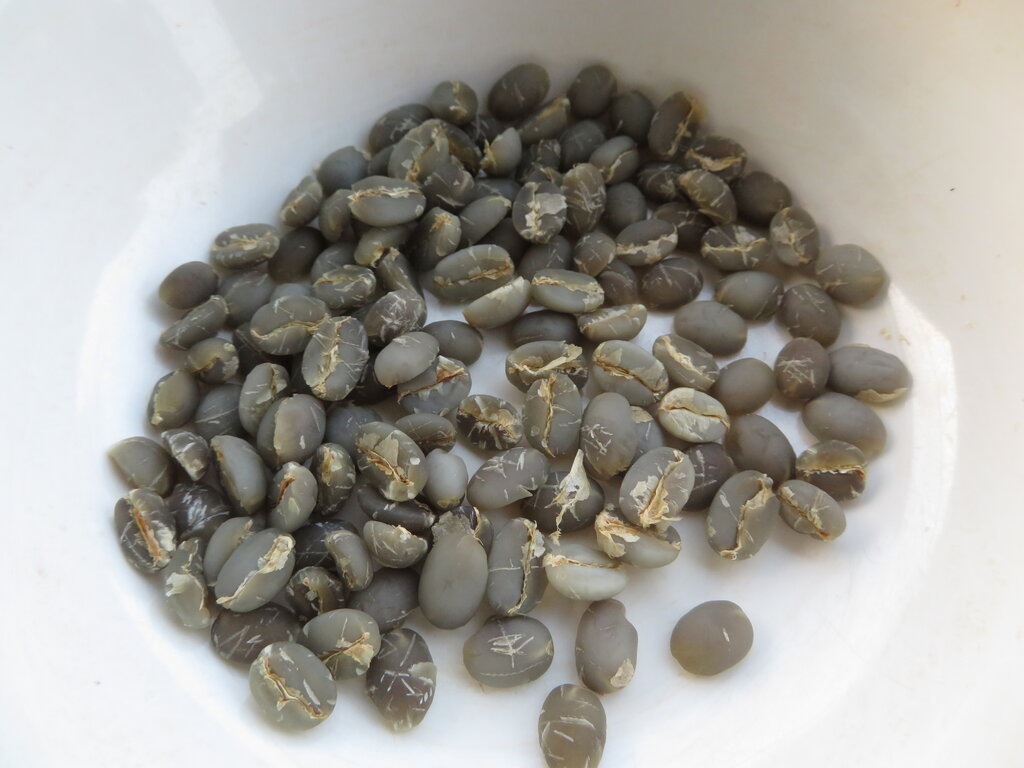
So why bother with such a finicky plant? The answer is in the cup. Arabica beans are known for their complex and aromatic flavor profiles. They tend to have higher acidity, which translates to bright, vibrant, and often fruity or floral notes. They also contain less caffeine and more sugars and lipids, which contribute to a smoother, sweeter taste and a richer mouthfeel.
The Hardy Robusta
Coffea canephora, or Robusta, is the world's second most-produced coffee. As its name suggests, it's a much more robust plant. It can grow in hotter climates and at lower altitudes, and it's far more resistant to disease. This hardiness makes it easier and cheaper to cultivate.
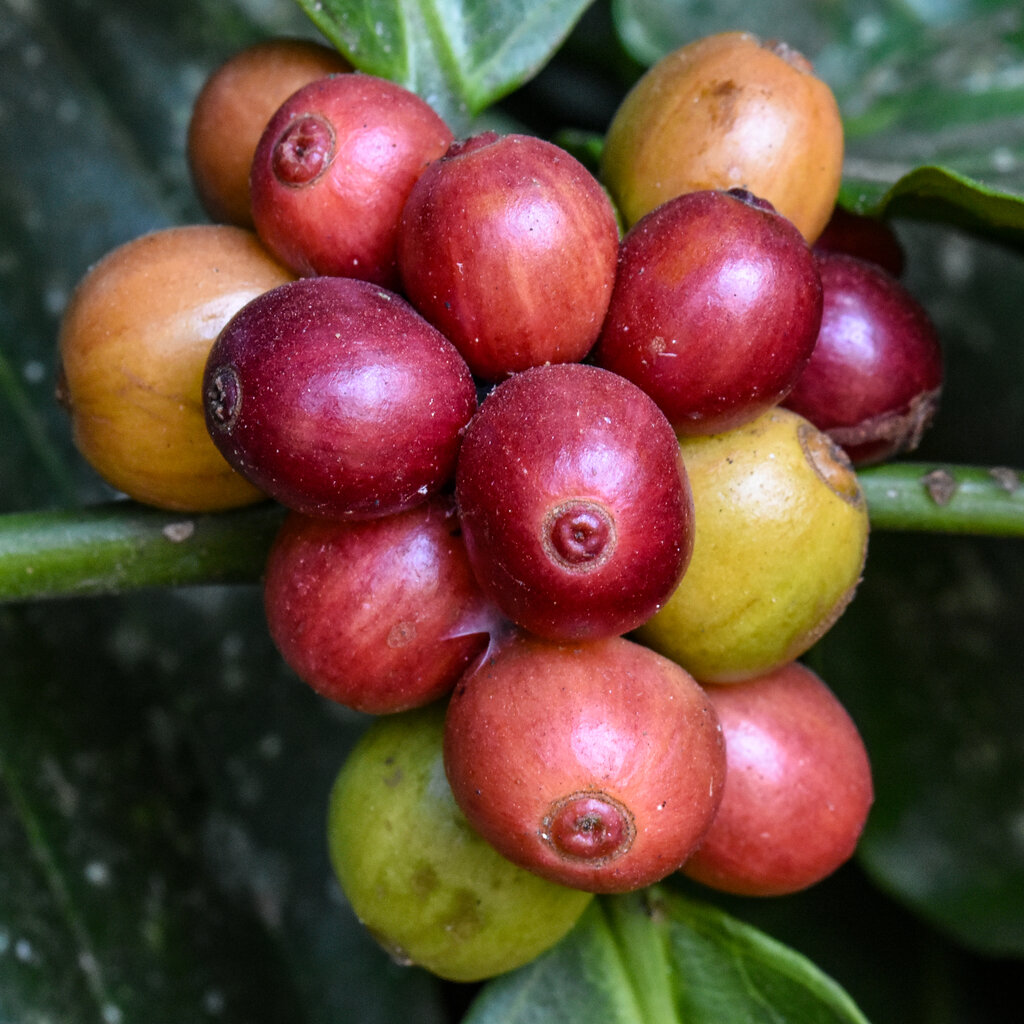
Robusta beans pack a punch. They contain nearly double the caffeine of Arabica beans, which acts as a natural pest repellent for the plant. In terms of flavor, Robusta is strong, bold, and low in acidity. Its taste is often described as rubbery or chocolatey, making it a common choice for espresso blends (it helps produce a thick, stable crema) and instant coffee.
A Tale of Two Beans
The differences between Arabica and Robusta begin at the genetic level. Arabica is a self-pollinating plant with 44 chromosomes. It's actually a hybrid of Robusta and another, more obscure species. Robusta, on the other hand, is a cross-pollinating plant with 22 chromosomes. This fundamental genetic divergence is the root of all their other differences.
| Feature | Arabica | Robusta |
|---|---|---|
| Flavor | Complex, sweet, fruity, floral | Bold, strong, chocolatey, rubbery |
| Acidity | Higher | Lower |
| Caffeine | ~1.5% by weight | ~2.5% or more by weight |
| Ideal Climate | High altitudes, cool temperatures | Hot climates, low altitudes |
| Bean Shape | Oval | Round |
| Cost | Generally higher | Generally lower |
The choice between Arabica and Robusta isn't about which is better, but about what purpose the coffee serves. Specialty roasters prize the nuanced, aromatic qualities of high-quality Arabica. Meanwhile, the powerful flavor and caffeine kick of Robusta are essential for many traditional coffee drinks and blends around the world. Each plant offers a unique expression of what coffee can be.
Let's review the key differences between these two foundational coffee species.