Global Cinema's Top Honors Beyond the Oscars
Cannes Film Festival
The French Riviera's Cinematic Jewel
Every May, the global film industry turns its eyes to a small resort town on the French Riviera. The Cannes Film Festival, or Festival de Cannes, is arguably the world's most prestigious and publicized film festival. It's a dazzling blend of art, commerce, and celebrity.
The festival's origins are rooted in politics. In the late 1930s, the Venice Film Festival, then the world's premier cinematic event, was heavily influenced by the fascist governments of Italy and Germany. In response, France decided to create a festival free from political pressure. The first Cannes Film Festival was planned for September 1939, but the opening was overshadowed by Germany's invasion of Poland that very day, igniting World War II. The festival was postponed and officially launched its first full edition in 1946, becoming a symbol of artistic freedom and international cooperation in the post-war era.
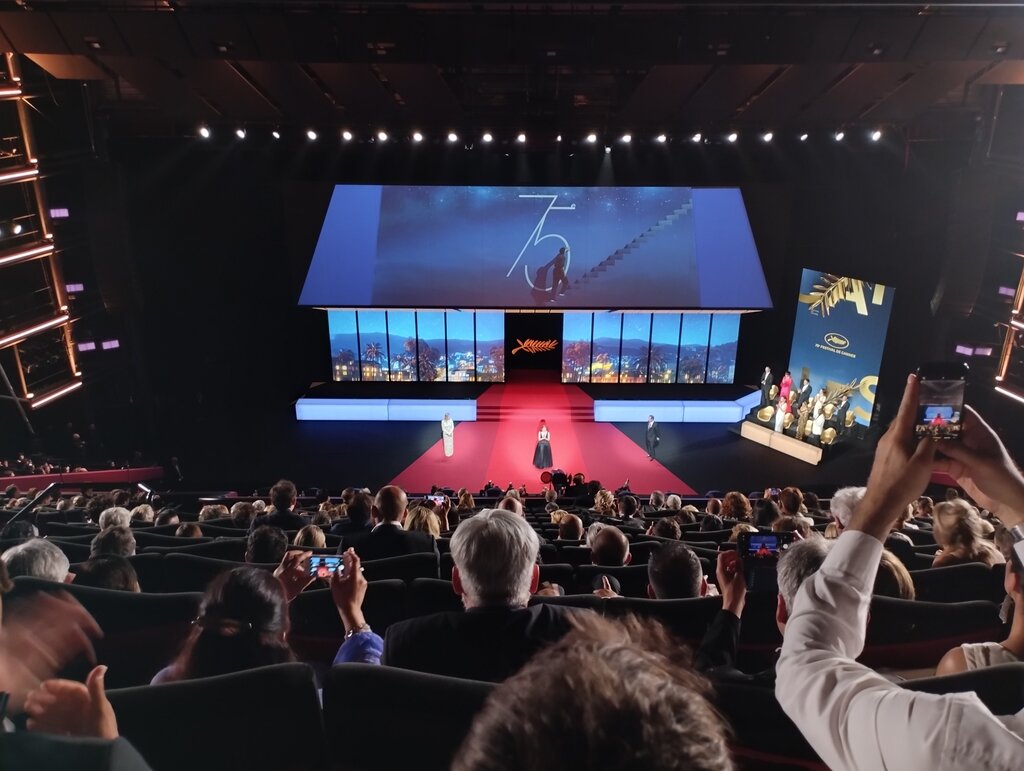
More Than Just Movies
While the red carpet premieres and celebrity appearances generate the most headlines, they are only one part of the festival. Cannes is a critical hub for the business of filmmaking. The Marché du Film (Film Market) runs alongside the festival and is the largest of its kind in the world. Thousands of producers, distributors, and sales agents gather to buy and sell film rights, secure financing for future projects, and forge international partnerships. A film that performs well at Cannes can secure distribution deals that bring it to audiences worldwide.
For filmmakers, being selected for Cannes is a monumental achievement. It provides an unparalleled platform to showcase their work to a global audience of critics, industry insiders, and cinephiles. The exposure can launch careers and open doors that were previously closed.
The Coveted Palms
The festival's awards are among the most respected in cinema. The jury, typically composed of acclaimed film professionals, selects winners from the main competition slate. The three most prestigious awards are the Palme d'Or, the Grand Prix, and the Jury Prize.
| Award | Significance |
|---|---|
| Palme d'Or | The highest prize, awarded to the best feature film in the official competition. Its name translates to "Golden Palm." |
| Grand Prix | The second-most prestigious award, considered the runner-up prize for the best film. |
| Jury Prize | A prize awarded by the jury to a film that doesn't win the Palme d'Or or Grand Prix but is still deemed worthy of recognition for its unique qualities. |
Winning the Palme d'Or is a career-defining moment. It immediately elevates a film and its director into the annals of cinematic history. Past winners include timeless classics like Federico Fellini's La Dolce Vita (1960) and Francis Ford Coppola's Apocalypse Now (1979).
More recently, the Palme d'Or has highlighted groundbreaking international cinema. Quentin Tarantino's Pulp Fiction (1994) won the top prize and became a cultural phenomenon that reshaped independent filmmaking. In 2019, Bong Joon-ho's Parasite won the Palme d'Or, setting it on a path to its historic Best Picture win at the Academy Awards, a testament to the festival's influence on the global stage.
Winning at Cannes can secure international distribution, launch a director's career, and cement a movie's place in film history.
Other major awards recognize individual achievements, including prizes for Best Director, Best Actress, and Best Actor. Together, these awards celebrate the diverse talents that contribute to the art of filmmaking.
Now, let's test your knowledge of the world's most famous film festival.
What was the primary motivation for the creation of the Cannes Film Festival in the late 1930s?
The Marché du Film is a key component of the festival. What is its main function?
Cannes remains a vital force in cinema, celebrating artistic vision while also driving the global film market. It's where art meets commerce on the biggest stage.