Glazing Project Management Essentials
Introduction to Project Management
What is Project Management?
At its core, project management is the process of planning, organizing, and overseeing the work needed to achieve a specific goal. Think of building a new playground, launching a website, or even planning a large wedding. These are all projects: temporary efforts with a defined beginning and end, designed to create a unique product, service, or result.
Project management principles are foundational guidelines that provide structure and direction for planning, executing, and completing projects successfully.
Without good project management, teams can face chaos. Deadlines get missed, budgets overflow, and the final result might not be what anyone wanted. By applying specific skills, knowledge, and tools, project management brings order to this complexity. It ensures that everyone on the team knows what they need to do, when they need to do it, and how their work fits into the bigger picture. This structure helps deliver projects on time, on budget, and to the required quality.
The Project Life Cycle
Every project, regardless of its size or complexity, moves through a series of phases known as the project life cycle. This cycle provides a predictable framework for managing the work from start to finish. The five main phases are Initiation, Planning, Execution, Monitoring & Controlling, and Closing.
Initiation: This is where the project is born. The core idea is defined, and its value and feasibility are determined. Key stakeholders are identified, and a project charter is created to authorize the project's existence.
Planning: Once the project is approved, the detailed planning begins. The team defines the project scope, sets objectives, and develops a roadmap. This includes creating a schedule, budget, and risk management plan.
Execution: With a solid plan in place, the work starts. The project team is assembled, and tasks are assigned and completed according to the project plan. This is often the longest phase of the life cycle.
Monitoring & Controlling: This phase happens at the same time as execution. The project manager tracks progress, compares it to the original plan, and makes adjustments as needed. The goal is to catch any problems early and keep the project on track.
Closing: The project is complete! The final deliverables are handed over, all documentation is finalized, and the team is released. This phase also includes a review to capture lessons learned for future projects.
The Project Manager
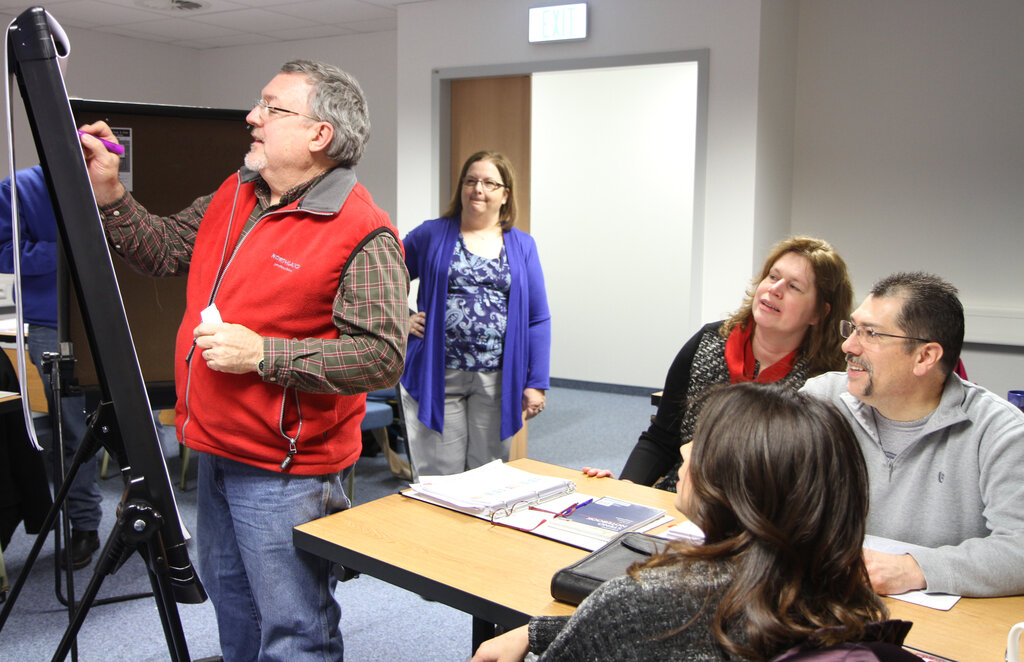
The project manager is the conductor of the orchestra. They are the person responsible for guiding the project through its life cycle and ensuring it achieves its goals. They don't usually do the hands-on work, but they make sure the work gets done smoothly.
Key responsibilities include:
- Leading the team: Motivating and directing the team to work together effectively.
- Managing the budget: Tracking costs to ensure the project doesn't go over budget.
- Controlling the schedule: Making sure all tasks are completed on time.
- Communicating with stakeholders: Keeping everyone from the team members to the clients informed about the project's progress.
- Managing risks: Identifying potential problems and creating plans to deal with them before they derail the project.
A great project manager is an excellent organizer, a clear communicator, and a strong leader. They are the central point of contact and the person who ultimately carries the responsibility for the project's success or failure.
Different Ways to Manage
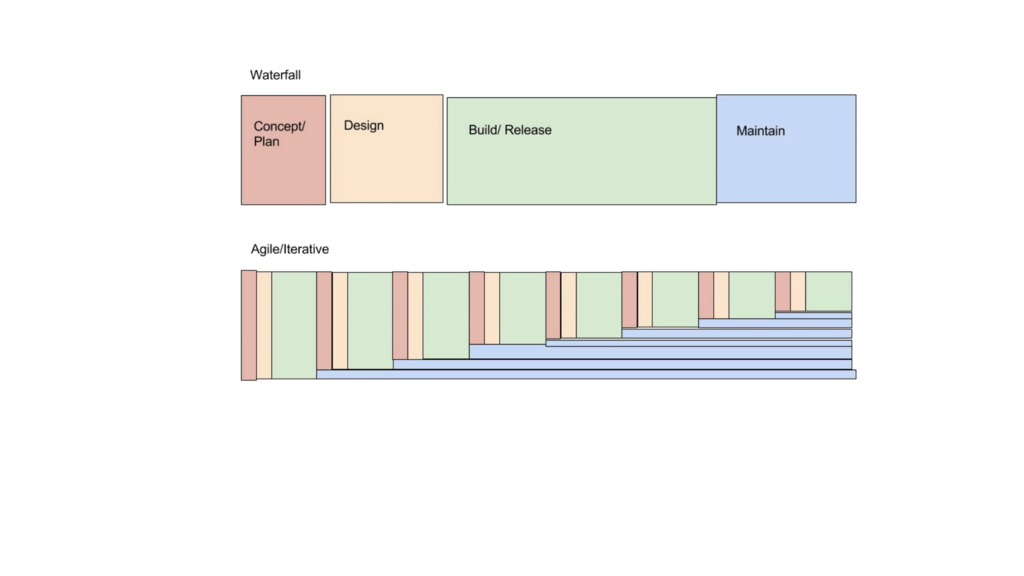
Not all projects are the same, so there isn't one single way to manage them. Over time, different approaches, or methodologies, have been developed to suit different types of projects. Three of the most common are Waterfall, Agile, and Scrum.
| Methodology | Key Feature | Best For... |
|---|---|---|
| Waterfall | A linear, sequential approach where each phase must be completed before the next begins. | Projects with very clear, fixed requirements, like in manufacturing or construction. |
| Agile | An iterative approach focused on flexibility and collaboration. The project is broken into small, rapid cycles. | Projects where requirements are expected to change or are not fully known at the start, like software development. |
| Scrum | A specific type of Agile framework. Work is done in short, time-boxed periods called "sprints." | Teams working on complex products that need to adapt quickly to feedback. |
The Waterfall method is traditional and straightforward. It's like following a recipe exactly as written. Agile and Scrum, on the other hand, are more like improvising in the kitchen. They allow for changes along the way based on feedback and new information, which is essential in fast-moving industries.
What is the primary goal of project management?
During which phase of the project life cycle is the project's value and feasibility determined, leading to a project charter?
Understanding these core concepts—what a project is, its life cycle, the role of a manager, and the different ways to approach the work—provides a solid foundation for successfully managing any project.