Gift Wrapping Basics
Introduction to Gift Wrapping
The Art of Presentation
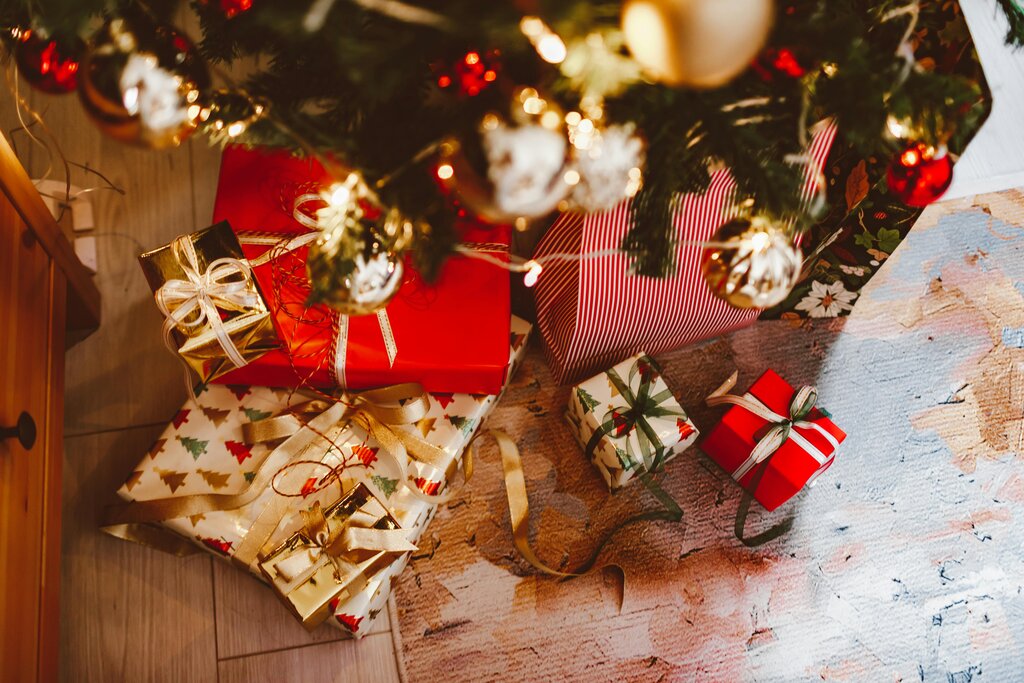
Gift wrapping is more than just concealing a present. It's the first impression, a way of showing care and thoughtfulness before the gift is even revealed. A beautifully wrapped package builds anticipation and transforms a simple object into a special experience. The wrapping is part of the gift itself, a gesture that says you took extra time and effort.
Presentation is key in Japanese gift-giving culture.
Choosing Your Materials
The materials you choose set the tone. Wrapping paper comes in countless styles, from glossy and metallic to matte and kraft paper. Consider the occasion and the recipient. A child's birthday might call for bright, playful patterns, while a wedding gift may be better suited to elegant, understated paper. The weight of the paper matters too; thicker paper is less likely to tear at the corners but can be harder to fold crisply.
Ribbons add a finishing touch. They can be satin, grosgrain, velvet, or simple twine. A contrasting ribbon can make a package pop, while a matching one creates a more cohesive look. Don't be afraid to mix and match textures to create a unique presentation.
For a reusable and eco-friendly option, consider the Japanese tradition of Furoshiki.
wrapping cloth
These traditional wrapping cloths are made of fabric and can be used over and over again. They are incredibly versatile, capable of wrapping objects of all shapes and sizes, from books and bottles to boxes. Using a Furoshiki is a sustainable choice that adds a unique, personal touch to your gift.
Measure Twice, Cut Once
A neat wrap starts with the right amount of paper. Too little, and you won't be able to cover the gift. Too much, and you'll end up with bulky, messy folds. Taking a moment to measure correctly saves paper and ensures a professional-looking result.
Place your box upside down on the unrolled paper. For the length, pull the paper around the box to make sure it overlaps by about an inch or two. For the width, make sure the paper on each side extends to cover about halfway up the box's height. This gives you just enough paper to cover the ends without unnecessary bulk.
The goal is a snug fit with minimal excess paper. A clean cut is just as important as a straight fold.
Now that you know how to prepare, you're ready to start folding. The key is to keep the paper taut and make your creases sharp.