GHK-Cu Peptide Explained
Introduction to Peptides
The Building Blocks of Life
Imagine the vast complexity of the human body. Everything from your thoughts to your immune response is coordinated by tiny molecules. Among the most important are peptides, which are short chains of amino acids linked together.
amino acid
noun
A type of organic molecule that serves as the basic building block for proteins and peptides.
Every amino acid shares a common backbone: a central carbon atom, an amino group (), and a carboxyl group (). What makes each one unique is its side chain, often called the R-group. This side chain gives the amino acid its specific chemical properties.
When two amino acids join, the carboxyl group of one links to the amino group of the other. This process, called a condensation reaction, releases a water molecule and forms a strong covalent bond.
This special link between amino acids is called a peptide bond.
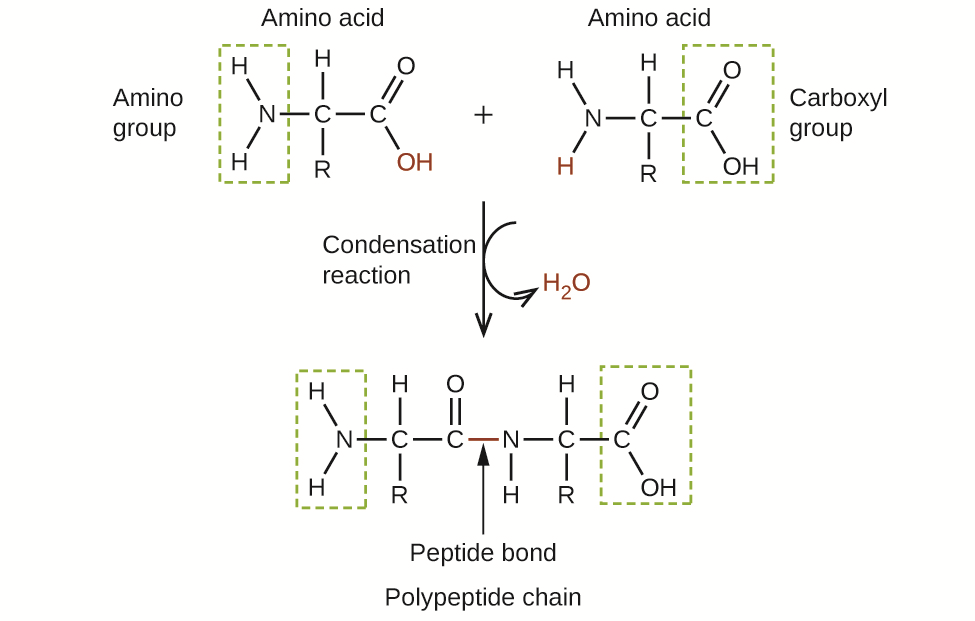
As more amino acids are added, a chain forms. This chain always has a distinct directionality. One end has a free amino group, called the N-terminus, and the other has a free carboxyl group, the C-terminus. The sequence of amino acids is what determines the peptide's final structure and function.
The line between a peptide and a protein can be blurry, but it generally comes down to size.
| Name | Number of Amino Acids | Description |
|---|---|---|
| Peptide | 2-50 | Short chains of amino acids. |
| Polypeptide | >50 | Long, continuous chains of amino acids. |
| Protein | One or more polypeptides | Large, complex molecules that perform a vast array of functions. |
The Many Jobs of Peptides
Peptides are more than just protein fragments. They are crucial signaling molecules that act like tiny messengers, coordinating a huge range of activities within the body. Their small size allows them to move easily between cells and tissues to deliver instructions.
Peptides can have such broad effects because they act as circulating hormones, neurotransmitters, and local regulators, playing a fundamental role in human development, reproduction, physiology, and behavior.
For example, insulin is a well-known peptide hormone that regulates blood sugar levels. Without it, our cells couldn't take in glucose for energy. Another example is oxytocin, sometimes called the "love hormone," which plays a role in social bonding and childbirth.
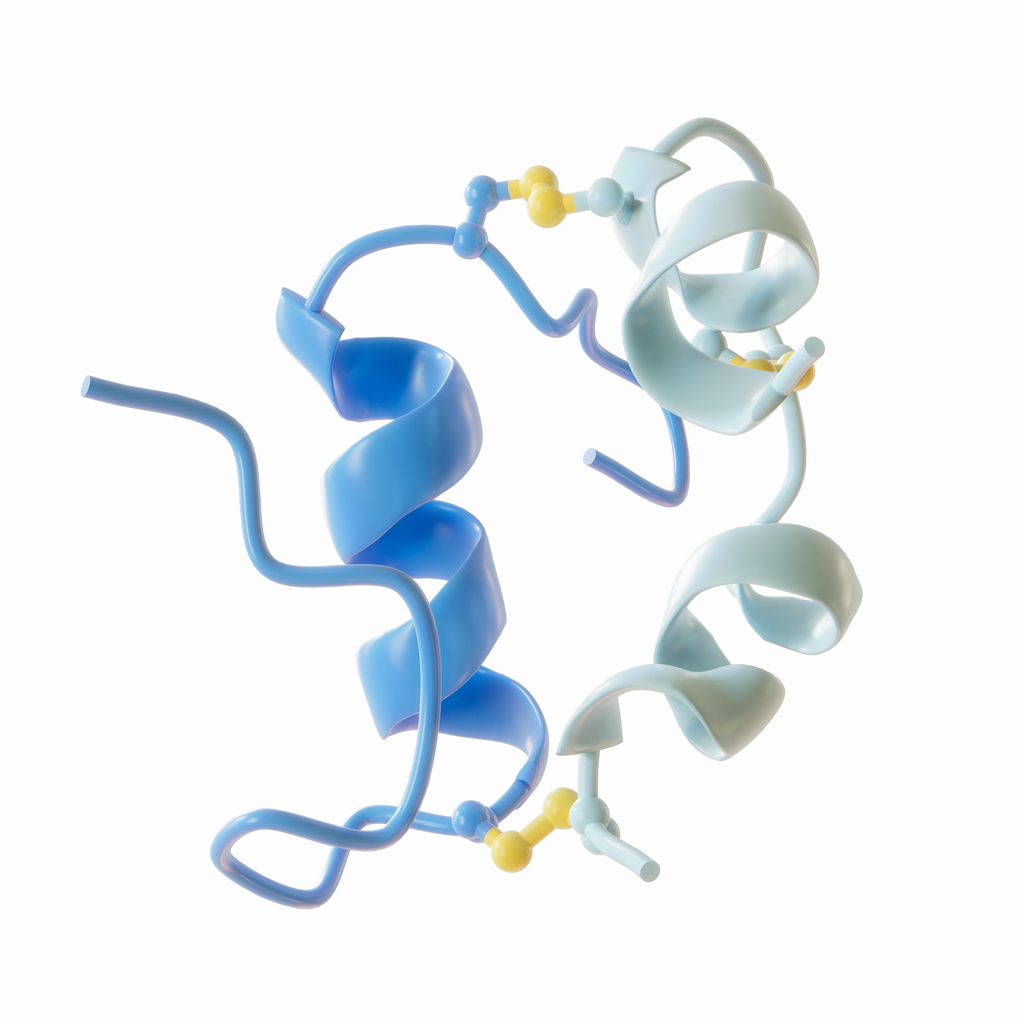
Other peptides act as neurotransmitters, transmitting signals between nerve cells. Endorphins, for instance, are peptides that act as natural painkillers. Some peptides even have antimicrobial properties, forming a key part of our innate immune defense by destroying bacteria, viruses, and fungi.
A Cycle of Creation and Destruction
Like all molecules in the body, peptides are constantly being created and broken down. The process of making peptides is a core part of protein synthesis. It starts with your DNA, which holds the genetic blueprint for every protein and peptide your body needs.
This genetic information is first transcribed into a messenger RNA (mRNA) molecule. The mRNA then travels to a ribosome, the cell's protein-making factory. The ribosome reads the mRNA sequence in three-letter "codons," and for each codon, it adds the corresponding amino acid to the growing chain. This process is called translation.
When a peptide is no longer needed, it's broken down into its individual amino acids by enzymes called proteases. This process is known as degradation or proteolysis. These recycled amino acids can then be used to build new peptides and proteins. This efficient cycle ensures that the body always has the building blocks it needs to function.