Getting Started With Your Oboe
Unboxing the Oboe
Your New Oboe
Opening a new instrument case for the first time is a big moment. Inside is the tool that will help you make music. Let's take a look at what's in the box and how to handle it correctly from day one.
First Look Inside
Lay the case on a flat, stable surface like a table or the floor before you open it. When you undo the latches, open the lid slowly. Your oboe should be snug in its custom-fitted lining.
Before you touch anything, just look. The first thing you need to do is check for any damage that might have happened during shipping. Look over each piece carefully. Do you see any cracks in the body? Are any of the metal keys bent or out of place? Check the case itself, too. If anything looks broken or damaged, contact the seller before you do anything else.
Meet the Parts
An oboe comes in several pieces. You’ll find four main parts of the instrument itself nestled in the case.
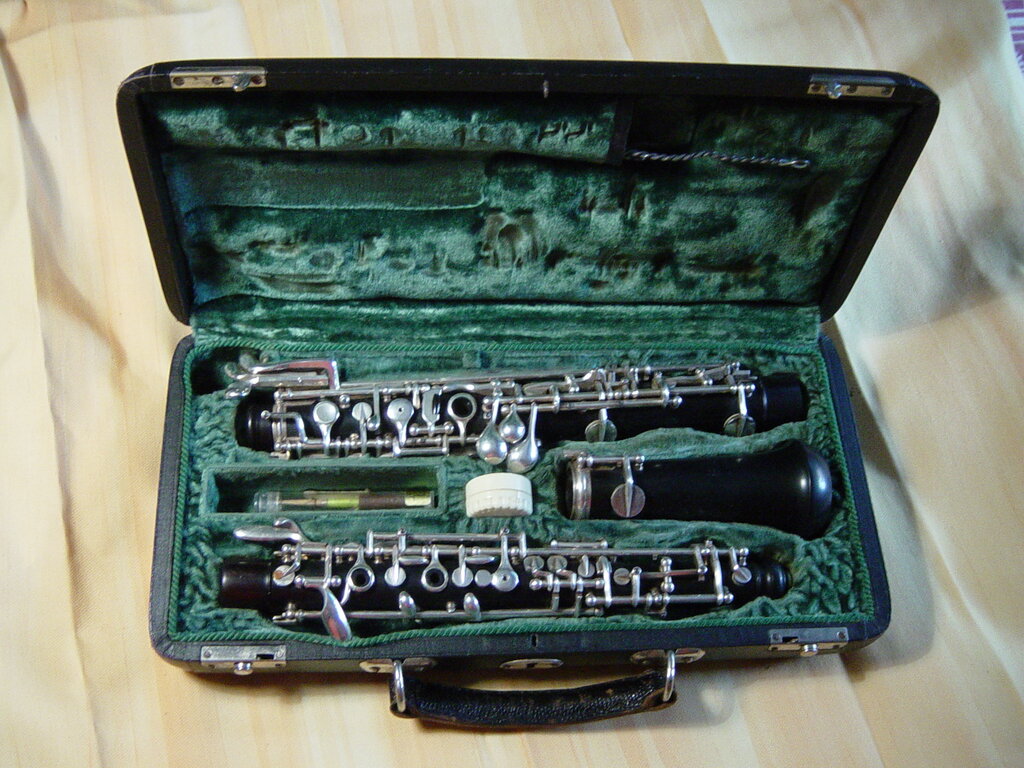
Here's what they are, starting from the top:
- Upper Joint: This is the thinnest of the main wooden or resin sections. It's where the reed will eventually go. It has a complex arrangement of keys at the top.
- Lower Joint: This section connects to the bottom of the upper joint. It's slightly wider and has larger keys and pads.
- Bell: The bell is the flared, cone-shaped piece at the very end. It helps project the sound.
You will also have a small, delicate-looking piece called a reed. It's the part you blow into to make a sound. Reeds are fragile and usually kept in their own small protective cases.
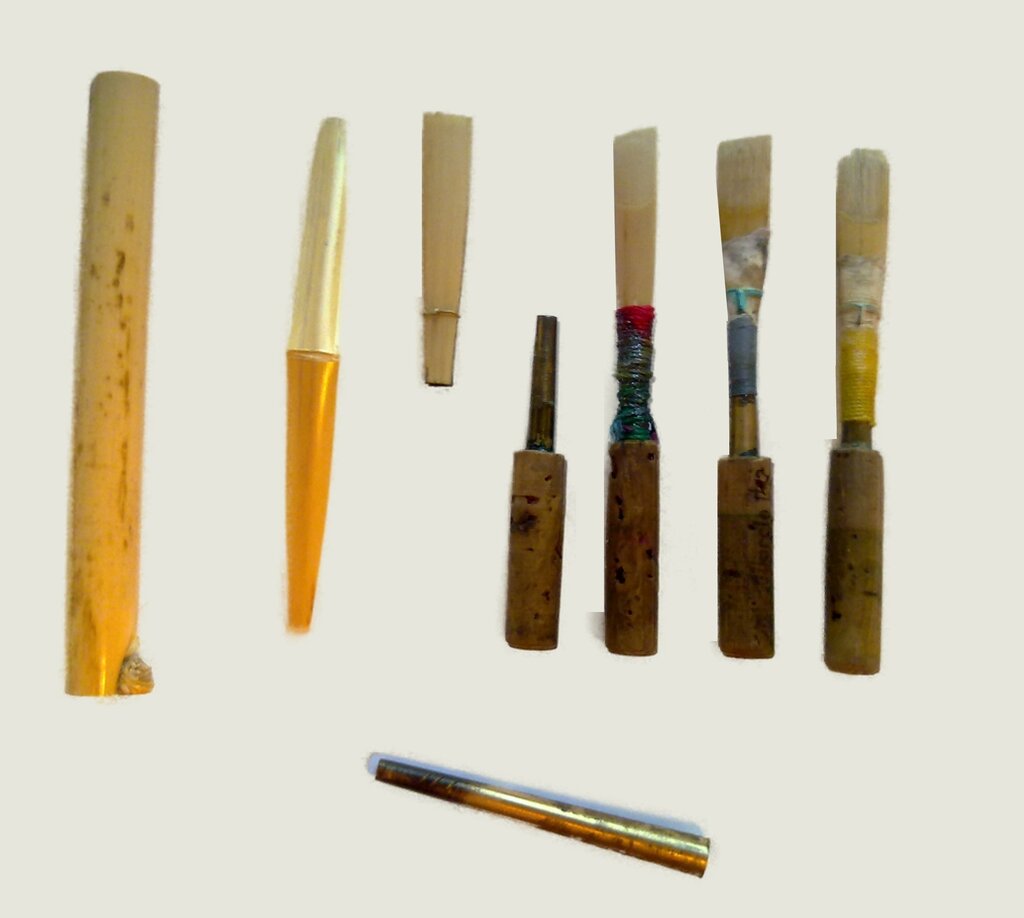
Your case might also contain accessories like cork grease, a cleaning swab, and a reed case. It's a good idea to identify everything before you start handling the instrument.
Handle with Care
The keywork of an oboe is a delicate system of keys, levers, rods, and springs. Bending just one small piece can cause a leak, which means the oboe won't play correctly. That's why learning how to hold it is so important.
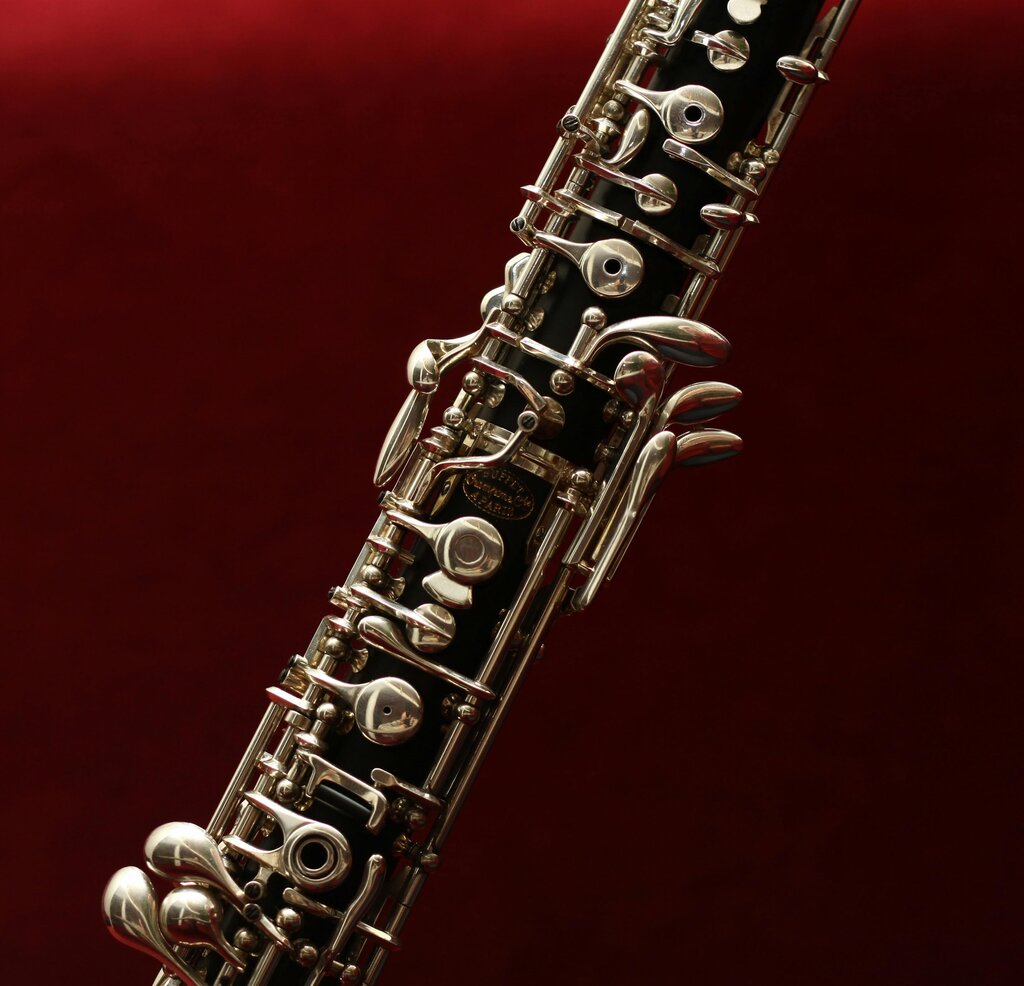
When you pick up a piece of the oboe, always hold it by a part that has no keys. This is the golden rule. On the upper and lower joints, there are usually rings or sections of the body where your fingers can safely grip without putting pressure on the mechanism.
Never grab the oboe by its rods or keys. Think of them as off-limits. Applying even a little pressure can bend them out of alignment. Always be gentle and deliberate when you move the instrument parts.
The golden rule of handling your oboe: Always grip the sections where there are no keys.
By treating your new oboe with care from the very beginning, you'll set yourself up for success and keep your instrument in great playing condition.