Get Paid Freelance Contracts
Understanding Freelance Contracts
Why You Need a Contract
Think of a freelance contract as a roadmap for your project. It’s a written agreement that lays out exactly what you’ll do, what the client will do, and how everything will work from start to finish. Its main job is to make sure everyone is on the same page before any work begins.
This isn't just boring legal paperwork. A good contract protects both you and your client by setting clear expectations. It prevents misunderstandings, builds trust, and gives you a professional framework to operate within. Without one, you're relying on memory and assumptions, which can easily lead to problems.
What's Inside?
While contracts can vary, nearly all of them cover a few essential components. Let's break down the core three you should always look for.
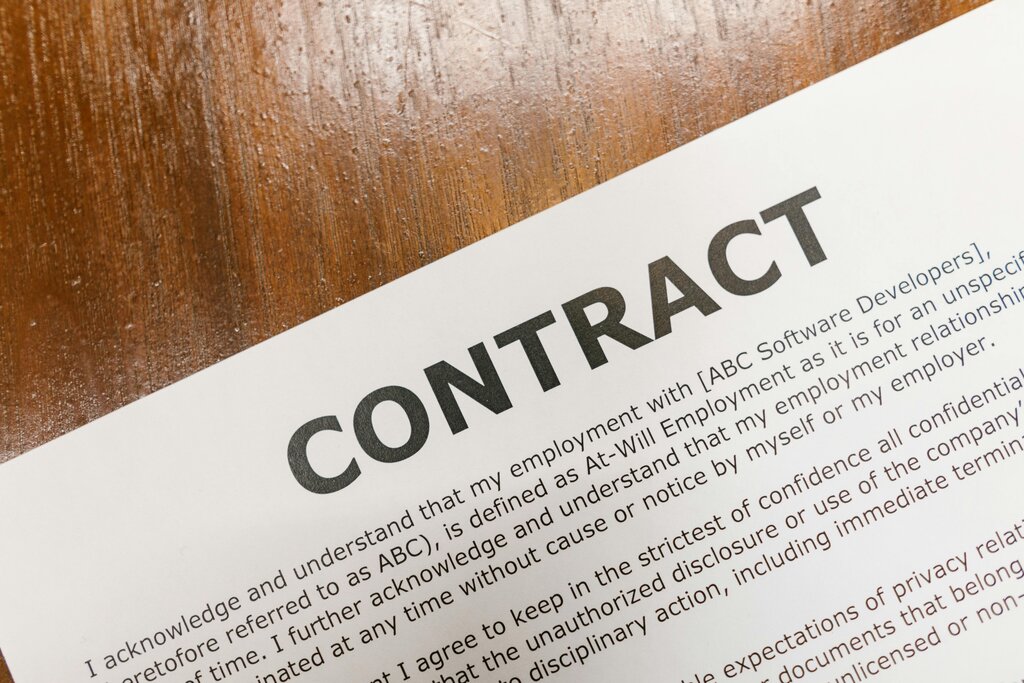
A well-drafted contract protects both freelancers and clients by outlining the terms, scope, and expectations of a project.
Scope of Work: This section defines the project's boundaries. It details exactly what tasks you are responsible for completing. A clear scope is your best defense against "scope creep"—that moment when a small project slowly expands with extra requests that weren't part of the original deal.
For example, if you're hired to design a five-page website, the scope of work should list those five pages. If the client later asks for a blog and an online store, that's new scope, and it should be discussed and paid for separately.
Payment Terms: This part answers the most important questions about money: How much will you be paid? When will you be paid? How will you be paid? It should specify the total project fee or your hourly rate. It should also outline the payment schedule, whether that's 50% upfront, upon completion, or in milestones. Many freelancers get burned by unclear payment schedules, so never skip this section.
Deliverables: These are the tangible, measurable things you will provide to the client. Deliverables are the final products of your work. Defining them clearly helps the client know exactly what they're getting and helps you know when your work is officially done.
| Freelancer Role | Example Deliverable |
|---|---|
| Writer | A 1,000-word blog post in a Google Doc. |
| Graphic Designer | A company logo in PNG and vector formats. |
| Web Developer | A fully functional, tested contact form. |
The Power of Writing It Down
An oral agreement can feel easier, but it's risky. People forget details or misinterpret conversations. A written contract serves as a single source of truth that both you and the client can refer back to at any time.
agreement
noun
A negotiated and typically legally enforceable understanding between two or more parties.
Having everything in writing shows you're a professional who takes their work seriously. It fosters respect and creates a solid foundation for a great working relationship. It's not about mistrust; it's about clarity. And when it comes to business, clarity is everything.
Ready to check your understanding?
What is the primary purpose of a freelance contract?
A client keeps asking for small, additional tasks that weren't part of the original agreement. Which section of the contract is designed to prevent this "scope creep"?
A solid contract is the bedrock of a successful freelance career. By understanding its key parts, you set yourself up for smoother projects and stronger client relationships.