Get Paid Freelance Contracts
Understanding Freelance Contracts
The Foundation of Your Work
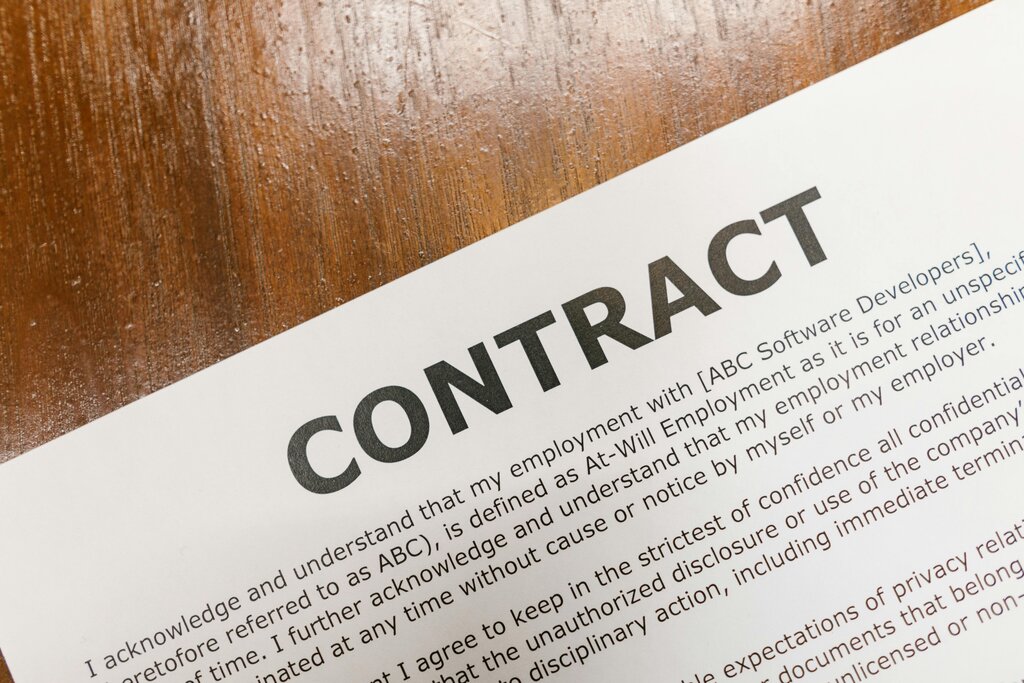
A freelance contract is more than just a formality. It’s a formal agreement that defines the professional relationship between you and your client. Think of it as a roadmap for your project. It lays out the expectations, responsibilities, and rules of engagement for everyone involved.
A freelance contract is the foundation of a successful client relationship.
Without a contract, you're relying on memory and goodwill. That can work for a while, but it often leads to misunderstandings about what needs to be done, when it's due, and how much it costs. A clear contract prevents these problems before they start, protecting both you and the client.
Key Parts of a Contract
Every contract is different, but the best ones cover the same essential ground. Let’s break down the core components you should always look for.
Scope of Work: This is the “what” of your project. It should describe the specific tasks, deliverables, and services you will provide. Be as detailed as possible to avoid “scope creep,” which is when a project slowly expands beyond its original goals.
For example, if you're a writer, the scope might specify “a 1,000-word blog post on sustainable gardening, including two rounds of revisions.” This is much clearer than just “a blog post.”
Payment Terms: This section details the “how much” and “when.” It should clearly state your rate, the total project cost, and the payment schedule. Will you be paid 50% upfront and 50% on completion? Or will you invoice monthly?
Good payment terms also include how you'll send invoices, the client's payment deadline (like “net 30 days”), and any penalties for late payments. Clarity here ensures you get paid on time for your work.

Next up are timelines and ownership. The contract needs to include key dates, like the project start date, deadlines for major milestones, and the final delivery date. For ownership, the contract must state who owns the final work. Typically, the client gains full ownership (or intellectual property rights) after the final payment is made. This is a crucial detail, especially for creative work like design, writing, or software development.
Handling Disagreements
Even with a great contract, disputes can happen. A dispute resolution clause outlines the process for resolving disagreements. It’s a plan for what to do if things go wrong. This might involve mediation or specifying which state’s laws will govern the contract.
Ultimately, a contract is a legally binding document. By signing it, both you and your client are agreeing to its terms. It isn't just a suggestion; it's an enforceable promise. This legal weight is what makes a contract such a powerful tool for protecting your business and building trust with clients.
Now let's check your understanding of these key concepts.
What is the primary purpose of a freelance contract?
Which of the following best defines the 'scope of work' for a freelance writer?
Having a clear contract is a sign of professionalism. It shows clients that you take your work seriously and helps establish a relationship built on clarity and mutual respect from the very beginning.