German Language Chat Capabilities
AI Language Models
What Are Language Models?
At their core, AI language models are computer programs designed to understand, interpret, and generate human language. Think of them as incredibly advanced prediction engines. Their primary goal is to process a piece of text and figure out what words should come next, just like a person would.
This ability to predict text allows them to do amazing things, from writing an email to translating a conversation in real time. They are not thinking or understanding in the human sense. Instead, they are masters of pattern recognition, having analyzed vast amounts of text to learn the statistical relationships between words.
Imagine a chef who has read every cookbook ever written. They might not 'understand' flavor, but they know from experience that certain ingredients and techniques usually go together to create a delicious meal. A language model does something similar with words.
How They Learn to Talk
Language models are built on a concept called a neural network, which is loosely inspired by the structure of the human brain. These networks are made of interconnected nodes, or 'neurons', that process information and pass it along, learning to recognize complex patterns over time.
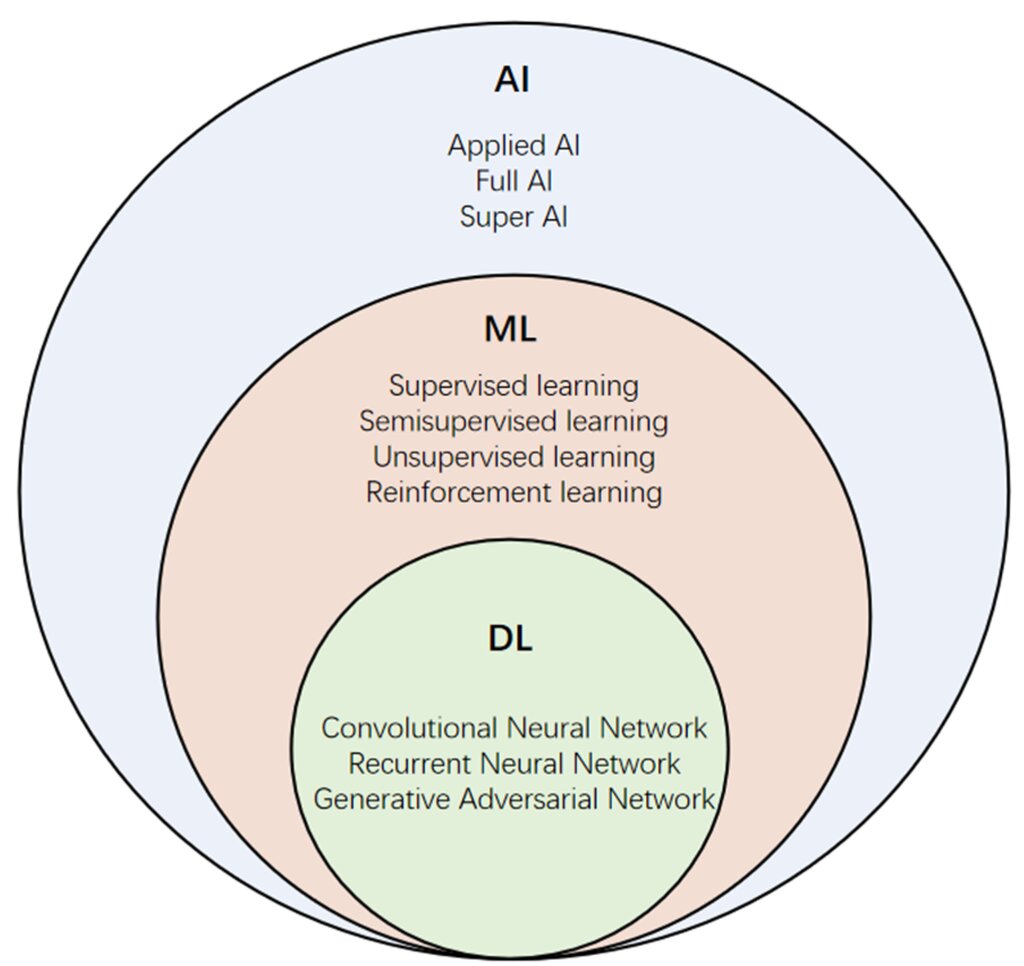
To learn, these models need data, and lots of it. They are 'trained' on enormous datasets containing text from books, articles, websites, and code. During training, the model is given a sequence of words and tasked with predicting the next one. For example, it might see "The cat sat on the..." and learn that "mat" is a very likely next word.
It makes a prediction, compares it to the correct answer, and adjusts its internal connections to make a better guess next time. This process is repeated billions or even trillions of times, allowing the model to build a sophisticated understanding of grammar, facts, reasoning abilities, and even different styles of writing.
From Prediction to Conversation
This simple ability to predict the next word unlocks a huge range of applications. By stringing predictions together, language models can generate entire paragraphs, translate languages, or power conversational agents.
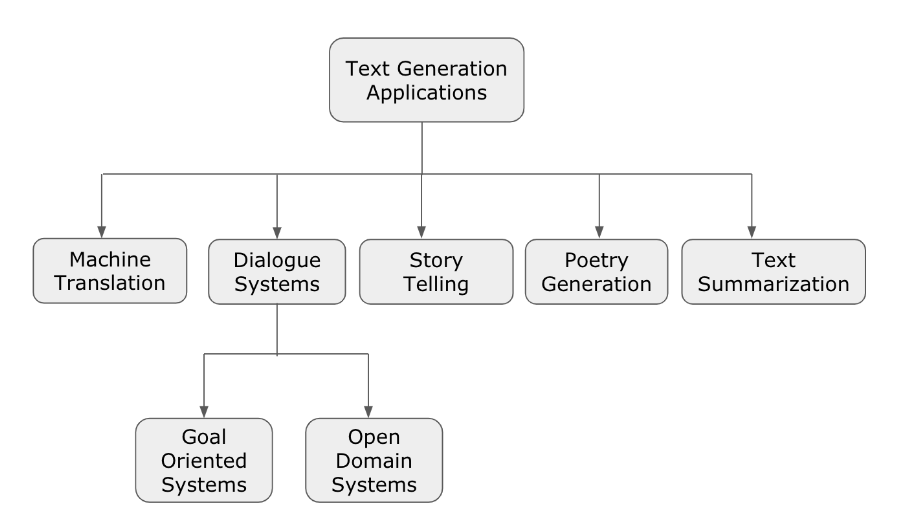
Some common uses include:
- Machine Translation: Instantly translating text from one language to another.
- Content Creation: Helping to write articles, marketing copy, and emails.
- Text Summarization: Condensing long documents into key points.
- Conversational Agents: Powering chatbots and virtual assistants that can answer questions and complete tasks.
Crucially, the best models are multilingual. Training on data from many different languages allows them to serve people all over the world, breaking down communication barriers and making information more accessible. Supporting multiple languages is essential for creating truly global AI tools.
hola
Let's review some of the key ideas we've covered.
Now, test your understanding with a few questions.
What is the primary, most fundamental goal of an AI language model during its operation?
Language models are built on a concept called a __________, which is loosely inspired by the structure of the human brain's interconnected neurons.
By understanding these fundamentals, you can better appreciate how language models work and the powerful role they play in modern technology.