German A1 Foundations
German Alphabet and Pronunciation
The German Alphabet
The German alphabet uses the same 26 letters as English. While they look familiar, their names and sounds are often different. Learning these new sounds is the first step to speaking German clearly. Think of it as recalibrating your mouth for a new system.
Understanding the German alphabet is crucial for accurate pronunciation and comprehension.
Let's go through the name of each letter. This is what you'd say if you were spelling a word out loud, like your name over the phone.
| Letter | Name of Letter |
|---|---|
| A a | Ah |
| B b | Beh |
| C c | Tseh |
| D d | Deh |
| E e | Eh |
| F f | Eff |
| G g | Geh |
| H h | Hah |
| I i | Ee |
| J j | Yot |
| K k | Kah |
| L l | Ell |
| M m | Emm |
| N n | Enn |
| O o | Oh |
| P p | Peh |
| Q q | Koo |
| R r | Err |
| S s | Ess |
| T t | Teh |
| U u | Oo |
| V v | Fow |
| W w | Veh |
| X x | Iks |
| Y y | Upsilon |
| Z z | Tsett |
Special Characters
German also has four special characters you won't find in the English alphabet. Three of these are vowels with a pair of dots on top, called an Umlaut. The dots change the vowel's sound, usually making it sharper and more front-of-the-mouth.
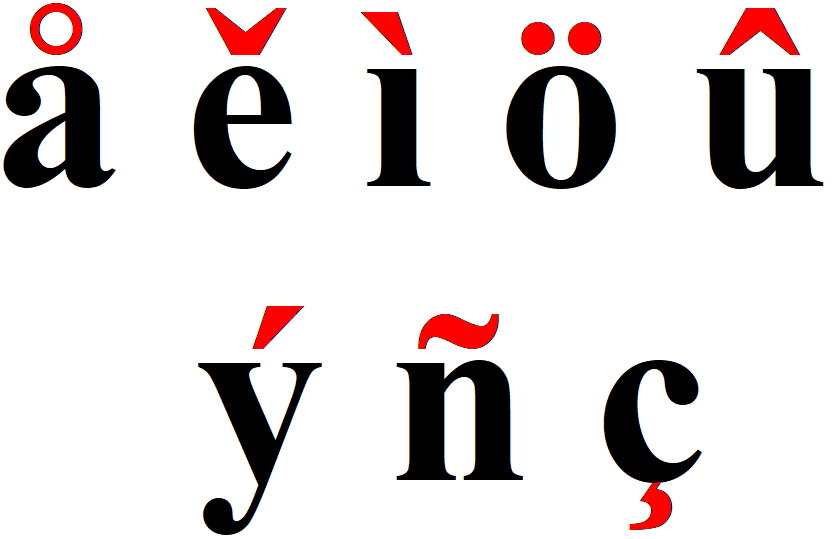
Here are the three umlauted vowels:
- Ä, ä (a-Umlaut) sounds like the "e" in "bed." It's like a short eh sound.
- Ö, ö (o-Umlaut) has no direct English equivalent. To make this sound, form your lips as if you're saying "ooh," but try to say "ee" instead.
- Ü, ü (u-Umlaut) is also tricky. Shape your lips for an "ooh" sound, but say a hard "ee" sound from the front of your mouth.
The fourth special character is the ß, called an Eszett or scharfes S (sharp S). It simply represents a sharp "ss" sound, like in the word "hiss." It only exists as a lowercase letter, though an uppercase version (ẞ) was officially added in 2017 for use in passports and official documents where all-caps text is required.
If you're typing on a keyboard without these characters, you can use these substitutes:
- ä → ae
- ö → oe
- ü → ue
- ß → ss
Common Letter Combinations
German pronunciation is very consistent. Once you learn the rules, you can reliably sound out new words. Certain letter combinations create unique sounds that are important to master.
Unlike English, German is a largely phonetic language. What you see is usually what you get.
Here are some of the most common combinations to know.
| Combination | Sound | Example |
|---|---|---|
| ie | A long "ee" sound, like in "see." | die (the) |
| ei | An "eye" sound, as in "my." | mein (my) |
| eu / äu | An "oy" sound, as in "toy." | neu (new), Häuser (houses) |
| au | An "ow" sound, as in "now." | Haus (house) |
| ch | After a, o, u: a hard, throaty sound like in Scottish "loch." After i, e, ä, ö, ü: a softer, hissing sound like an angry cat. | Bach (brook), ich (I) |
| sch | A "sh" sound, as in "shoe." | Schule (school) |
| st / sp | At the beginning of a word or syllable, sounds like "sht" / "shp." | Straße (street), sprechen (to speak) |
| tsch | A "ch" sound, as in "cheese." | Deutsch (German) |
Let's review the letters and key sounds.
Now, let's test your knowledge.
How many special characters are there in the German alphabet in addition to the 26 standard Latin letters?
The German vowel 'ä' (A-Umlaut) sounds most like the vowel sound in which English word?
Mastering these letters and sounds is your foundation for speaking and understanding German. Practice them often.