George Washington The First President
Early Life
A Virginia Childhood
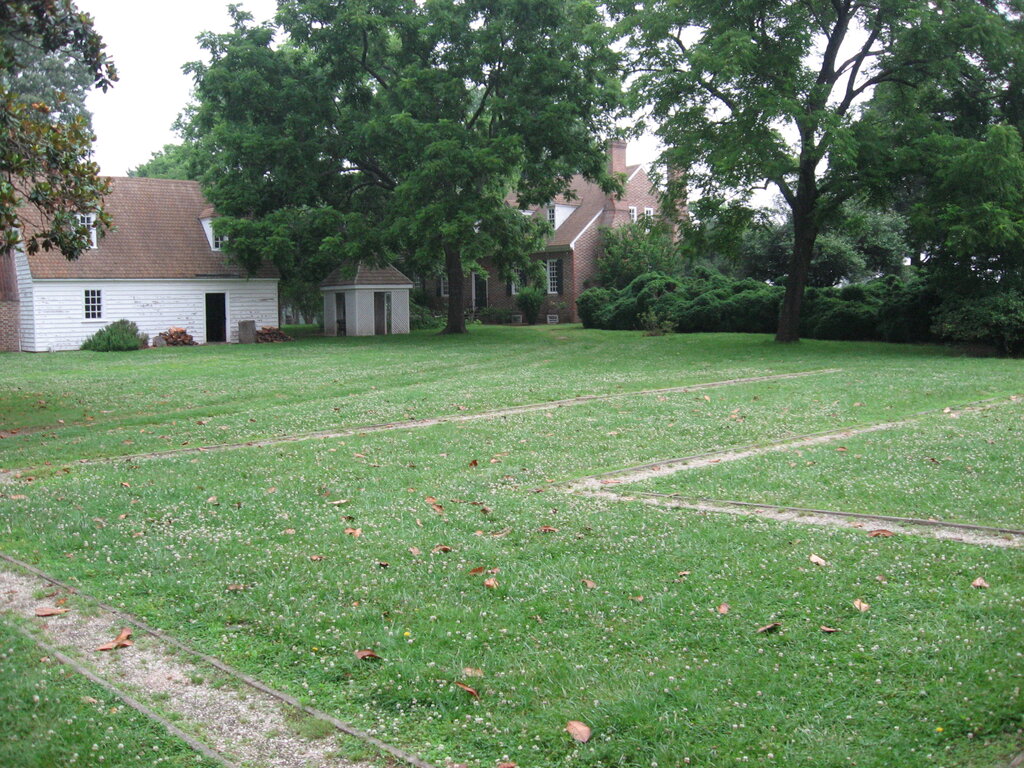
George Washington was born on February 22, 1732, in Westmoreland County, Virginia. His family was part of the colonial gentry, prosperous farmers who owned land and enslaved people. His father, Augustine, had children from a previous marriage, making George's home a bustling one. They lived on a plantation called Pope's Creek.
Life took a sharp turn when Augustine died. George was only 11 years old. This event ended any chance he had of receiving an education in England, an opportunity his older half-brothers had enjoyed. Instead, he stayed in Virginia, raised by his strong-willed mother, Mary Ball Washington.
His formal schooling was brief and focused on practical subjects. He excelled in mathematics and learned the basics of reading and writing. Much of his learning was self-directed. He read books on proper behavior and ethics, copying down rules to live by. This self-discipline became a core part of his character.
Unlike many other Founding Fathers, Washington never attended college.
His older half-brother, Lawrence, became a major influence. Lawrence had served in the military and married into the powerful Fairfax family. Through him, George was introduced to a more refined and influential social circle. He spent time at the Fairfax estate, Belvoir, learning about politics, land, and the ways of Virginia's elite.
The Young Surveyor
Washington's talent for math naturally led him to surveying. In 18th-century Virginia, land was the primary source of wealth and power. Surveyors were essential figures who measured and mapped vast, often un-charted, territories. It was a respected and profitable profession that required precision, endurance, and a head for numbers.
Surveying
noun
The science and profession of determining the terrestrial or three-dimensional positions of points and the distances and angles between them.
At just 16, he joined a surveying expedition to the western frontier of Virginia. The journey was tough, exposing him to harsh conditions and the rugged reality of the backcountry. These experiences were formative. He learned to navigate the wilderness, manage supplies, and interact with settlers and American Indians.
By 17, he was appointed the official surveyor of Culpeper County. The job provided him with a good income and, more importantly, an intimate knowledge of the land. He used his earnings and expertise to begin acquiring property, starting a lifelong pursuit of land that would make him one of the largest landowners in America.
This early work did more than build his fortune. It shaped him into a pragmatic and resilient leader, giving him a deep understanding of the American frontier that would prove invaluable in the years to come.