Geopolitics of Persian Gulf Energy Disruptions
Infrastructure Damage Timelines
Assessing LNG Infrastructure Downtime
When assessing the resilience of Qatar's LNG infrastructure, the primary distinction lies between the liquefaction trains and the export facilities. An attack on a loading berth is a problem of logistics and marine engineering. An attack on a liquefaction train, particularly the massive 7.8 MTPA , presents an existential threat to production capacity with exceptionally long recovery timelines.
The critical path for restoring a damaged train is the procurement of two key components: the Main Cryogenic Heat Exchanger (MCHE) and the large industrial gas turbines that drive the compressors, such as the GE Frame 9E or Siemens SGT5-4000F. An MCHE is not an off-the-shelf item. These are colossal, spirally-wound aluminum structures, custom-fabricated for a specific train's process parameters. The lead time from order to delivery can easily exceed 18 months, with only a handful of global manufacturers capable of producing them. Similarly, the specialized gas turbines are long-lead items, often requiring 12-15 months for fabrication and delivery. The total restoration timeline for a destroyed liquefaction train, from damage assessment to recommissioning, realistically falls between 24 and 36 months, assuming no geopolitical or logistical friction.
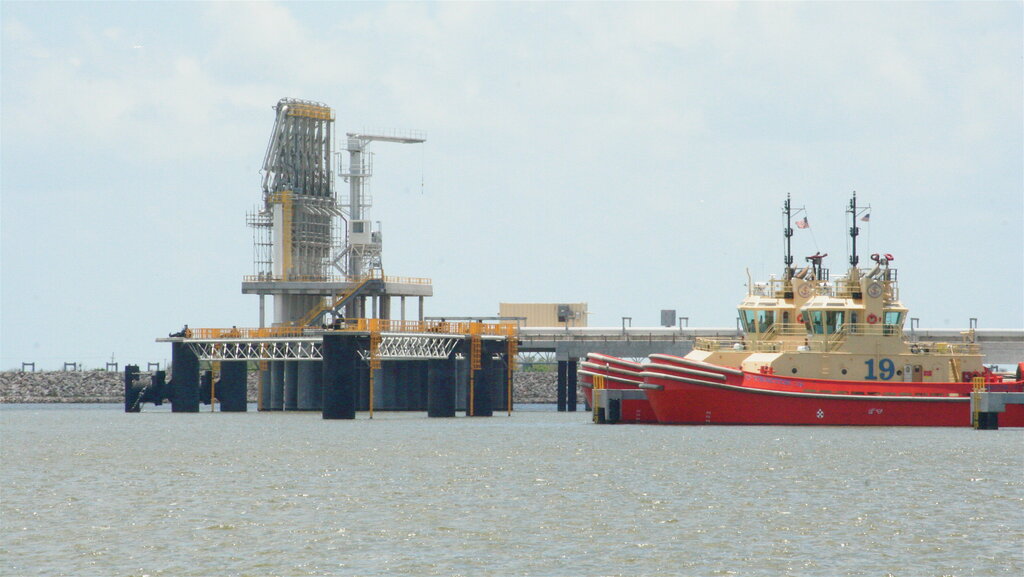
In contrast, damage to loading berths and their associated infrastructure is far more manageable. Jetties, cryogenic pipelines, and loading arms are built with a degree of modularity. While specialized, these components are not unique fabrications on the scale of an MCHE. A damaged loading arm can often be replaced, or its duties bypassed to another berth, within a 3-6 month timeframe. The primary challenges are marine access for construction equipment and procuring replacement cryogenic swivel joints and emergency release systems, which can have lead times but are not project-killers.
The Hidden Costs of Shutdown
Even if no physical damage occurs, an emergency shutdown (ESD) from a cyber or kinetic event triggers a cascade of operational problems. The most significant is the risk of within the MCHE's cold box. As the liquefaction process halts abruptly, temperature gradients collapse. Heavier hydrocarbons like benzene, which remain liquid at higher temperatures than methane, can freeze and form solid blockages within the MCHE's delicate, tightly packed tubing.
Clearing a freeze-out is a slow, painstaking process. It requires a complete "warm-up" cycle, where the entire train is carefully brought back to ambient temperature to melt the blockage, followed by purging and cleaning. This is then followed by a gradual "cool-down" cycle to return to cryogenic operating temperatures. Each cycle is meticulously managed to avoid thermal stress on the equipment. This thermal cycling process alone can take a train offline for two to four weeks, representing a significant loss of production even with zero physical damage.
The logistical constraints extend beyond component procurement. Executing major repairs in a high-risk gas environment is technically prohibitive. Safety protocols rightly restrict 'hot work' near active process units. A significant repair on one train would likely necessitate the complete shutdown of adjacent trains to ensure a safe work area, compounding production losses. In a conflict scenario, the willingness of specialized international contractors and OEM technicians to deploy to the site would be a major variable, potentially delaying projects indefinitely.
Now, let's test your understanding of these complex repair scenarios.
According to the assessment, which of the following represents the most severe, long-term threat to Qatar's LNG production capacity?
What is the primary reason the Main Cryogenic Heat Exchanger (MCHE) is a critical path item in restoring a damaged liquefaction train?
Understanding these timelines and technical hurdles is crucial for accurately assessing the strategic vulnerability of LNG supply chains. The difference between a six-month logistical challenge and a two-year industrial rebuild fundamentally alters the calculus of risk and resilience.