Geopolitical Risk for Investment Protection
Introduction to Geopolitical Risk
What Is Geopolitical Risk?
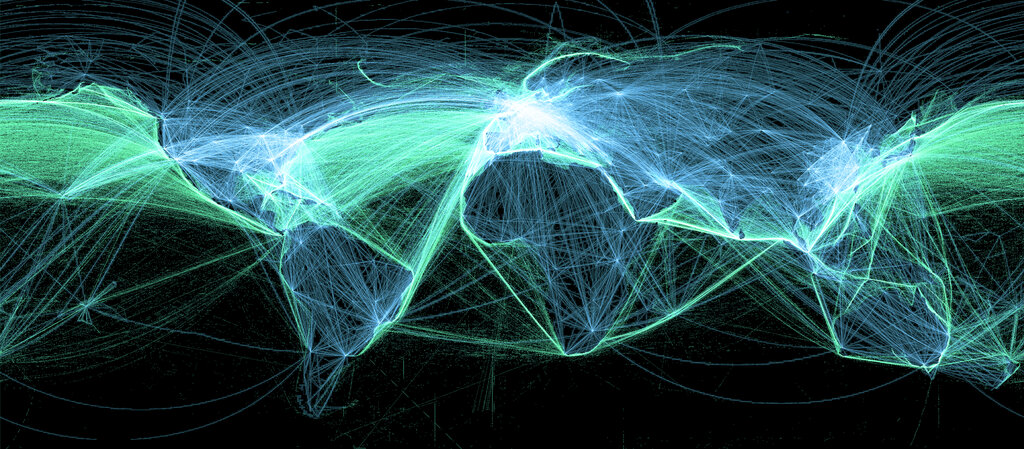
Think of the global economy as a vast, interconnected web. A tug on one strand in one corner of the world can send vibrations across the entire structure. Geopolitical risk is the chance that these vibrations, caused by political events or tensions, could harm the value of your investments. It’s the uncertainty that comes from the interplay of geography, politics, and economics on a global scale.
Geopolitical Risk
noun
The risk that an investment's returns could suffer as a result of political changes or instability in a country.
This isn't just about major conflicts. It can be triggered by a wide range of events: a surprise election result, a new trade tariff, a major policy shift, or widespread social unrest. These events can disrupt supply chains, alter consumer demand, and change the rules for businesses, all of which can affect a company's bottom line and, consequently, its stock price.
History's Lessons
Geopolitical events have always shaped markets. Looking at the past helps us understand how today's events might play out.
For instance, the 1973 oil crisis began when several Middle Eastern countries proclaimed an oil embargo. The resulting spike in oil prices sent shockwaves through the global economy, contributing to a severe stock market downturn in the United States and other developed nations.
On the other hand, the fall of the Berlin Wall in 1989 was a positive geopolitical shock. It opened up Eastern Europe to investment, creating enormous opportunities for companies and investors who moved into these new markets. More recently, the 2016 Brexit vote in the United Kingdom created years of uncertainty, impacting the British pound and businesses with heavy exposure to the UK and EU.
These examples show that geopolitical risk isn't always negative. Major political shifts can create both risk and opportunity.
The Core Components
To get a handle on geopolitical risk, it helps to break it down into three main categories: political, economic, and social factors. Each one represents a different source of potential instability.
A change in any one of these areas can have knock-on effects. For example, a political decision to impose tariffs (political) can lead to a trade war (economic), which might cause job losses and factory closures, potentially leading to protests (social).
How Is Risk Measured?
Identifying and measuring geopolitical risk isn't an exact science, but analysts use several tools to get a clearer picture. One common method is to use a risk index. Researchers track news sources from around the world, counting the frequency of words related to political and economic tensions. This data is then compiled into an index that shows whether risks are rising or falling over time.
Another approach is through country risk ratings. Agencies like Moody's, S&P, and Fitch analyze a country's political and economic stability to assign it a credit rating. A lower rating suggests higher risk for anyone investing in that country's government bonds or companies.
Finally, there's qualitative analysis. Experts on specific regions or industries provide insights and forecasts based on their deep knowledge of the local political landscape, culture, and economic trends. Combining these quantitative and qualitative methods helps investors make more informed decisions.
As investors assess geographical asset allocations while aiming to maximize long-term equity returns, an increasingly important priority is to understand their political risk exposures and use available risk hedging tools, including insurance solutions.
Let's check your understanding of these foundational concepts.
Which of the following best defines geopolitical risk in the context of investing?
The fall of the Berlin Wall in 1989 is an example of a geopolitical event that had a primarily negative impact on global markets.
Understanding these risks is the first step toward managing them in a globalized world.