Geopolitical Risk for Investment Protection
Introduction to Geopolitical Risk
Politics Meets Your Portfolio
Global events don't just stay in the headlines. Political shifts, international disputes, and policy changes can ripple across the world, directly affecting businesses and investments. This uncertainty is the core of geopolitical risk.
Geopolitical Risk
noun
The risk that political events, conflicts, or policy changes in a country or region will negatively impact an investment or business.
Think of it as the intersection of geography, politics, and finance. When governments act, whether by starting a trade war, imposing sanctions, or even just changing regulations, they create waves. These waves can disrupt supply chains, spook investors, and alter the value of currencies and commodities.
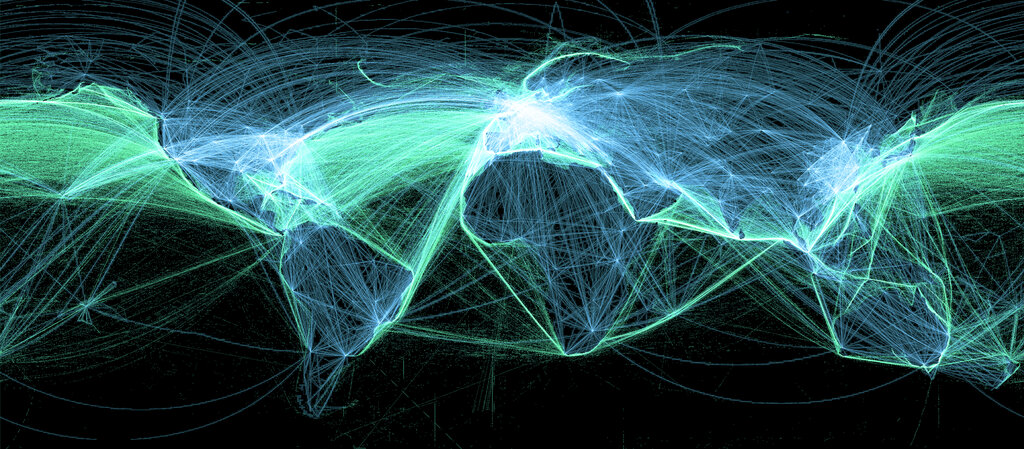
From the U.S.-China trade war to the Russia-Ukraine conflict and Red Sea shipping disruptions, global supply chains are caught in a web of politics, policies, and power struggles.
How Events Shape Markets
Geopolitical events can shake up markets in several ways. The most immediate effect is often on investor confidence. Uncertainty is the enemy of stable markets. When a conflict or major political shift occurs, investors may pull their money out of affected regions or assets, leading to stock market volatility.
Supply chains are another major area of impact. A conflict can shut down shipping lanes, while a trade dispute can lead to tariffs that make goods more expensive. This affects everything from the price of gas to the availability of consumer electronics.
Here are a few recent examples of geopolitical risk in action:
- U.S.-China Trade Tensions: Tariffs and trade restrictions between the two largest economies have directly impacted technology companies, farmers, and manufacturers. Businesses have had to reroute supply chains and absorb higher costs.
- The War in Ukraine: The conflict caused immediate spikes in energy and food prices globally. Sanctions on Russia altered international trade patterns, forcing many companies to exit a major market.
- Brexit: The UK's departure from the European Union created years of uncertainty. It changed trade rules, created new regulatory hurdles for businesses, and affected the value of the British pound.
Understanding these events isn't just for politicians; it's a crucial part of making informed financial decisions.
From Headlines to Hedging
Because these risks are driven by political decisions rather than traditional economic indicators, they can be difficult to predict. A sudden policy change or the outbreak of a regional conflict can happen with little warning, catching unprepared investors off guard.
This is why monitoring the global political landscape has become a critical task for international businesses and investors. It's not about predicting the future, but about understanding the potential risks on the horizon and preparing for different outcomes.
| Risk Driver | Potential Market Impact |
|---|---|
| Conflicts & Wars | Commodity price spikes, supply chain disruption, market volatility |
| Trade Disputes | Increased costs (tariffs), reduced corporate profits, economic slowdown |
| Sanctions | Companies lose access to markets, assets can be frozen |
| Policy Changes | New regulations can increase business costs or open new opportunities |
Let's check your understanding of these core concepts.
What is the best definition of geopolitical risk in the context of business and finance?
According to the text, what is often the most immediate effect of a major political conflict on financial markets?
Recognizing geopolitical risk is the first step. By staying aware of global events, you can better understand the forces shaping the markets and your investments.