Geopolitical Risk for Investment Protection
Introduction to Geopolitical Risk
The World as a Chessboard
Why do some countries have more power than others? Why do conflicts flare up in certain regions? Often, the answer lies in geography. Geopolitics is the study of how factors like location, climate, and natural resources influence politics and relationships between countries.
Geopolitics
noun
The study of the effects of Earth's geography (human and physical) on politics and international relations.
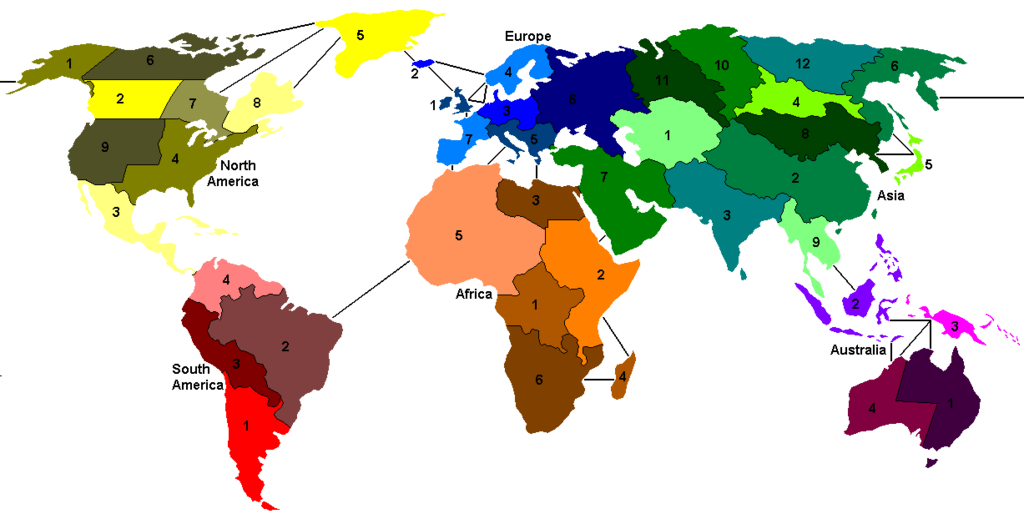
Think of the world as a giant board game. A country's position on the board, its access to oceans, the mountains that protect it, and the resources under its soil all shape its strategy. A nation with vast oil reserves plays a different game than one with fertile farmland. A country on a major shipping lane has different opportunities and vulnerabilities than a landlocked one.
Globalization's Double-Edged Sword
For centuries, geography was a huge barrier. But in recent decades, globalization has changed the rules of the game. The world is now a tightly woven network. Money, goods, and information flash across the globe in seconds. This interconnectedness has brought incredible benefits, from cheaper products to a massive increase in global wealth.
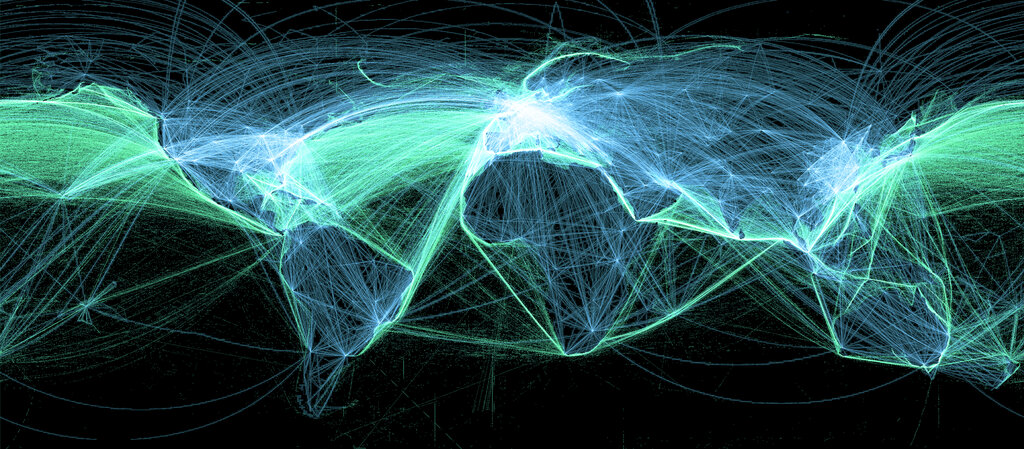
However, this connectivity comes with a risk. When economies are linked, so are their problems. A political crisis in one country can disrupt supply chains for thousands of companies around the world. A trade dispute between two major powers can cause stock markets to tumble on the other side of the planet. This is geopolitical risk in action: local political events having global economic consequences.
From the U.S.-China trade war to the Russia-Ukraine conflict and Red Sea shipping disruptions, global supply chains are caught in a web of politics, policies, and power struggles.
The Global Referees
To manage the complexities of a globalized world, countries have created international organizations. These bodies act like referees, setting common rules and providing a forum for countries to resolve disputes peacefully. They don't eliminate geopolitical risk, but they help to manage it.
| Organization | Primary Role |
|---|---|
| World Trade Organization (WTO) | Sets and enforces the rules for international trade. |
| United Nations (UN) | Promotes international peace, security, and cooperation. |
| International Monetary Fund (IMF) | Works to ensure the stability of the international monetary system. |
| World Bank | Provides financial and technical assistance to developing countries. |
By creating a more predictable and stable environment for trade and finance, these organizations help to lower the temperature on potential conflicts. They provide a framework that encourages cooperation over confrontation, which is essential for maintaining the flow of goods and capital that the modern global economy depends on.
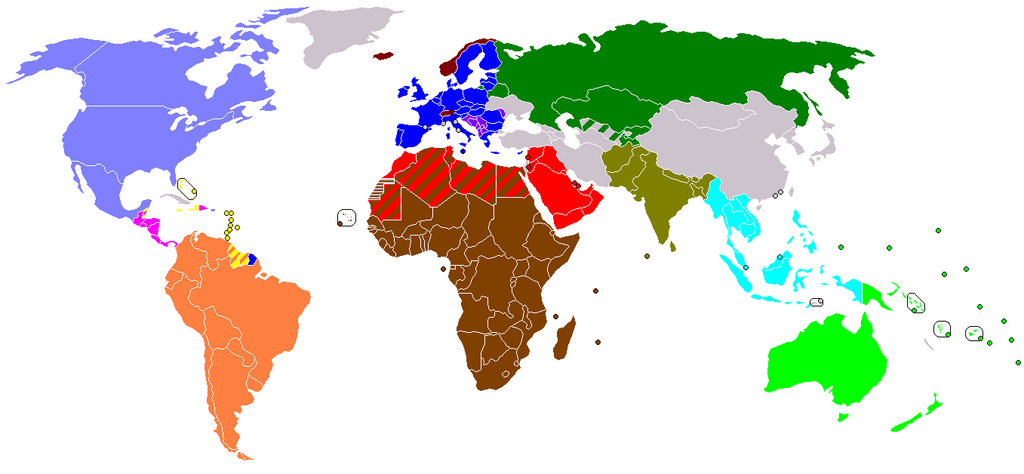
Understanding these basic elements—the influence of geography, the reality of globalization, and the role of international institutions—is the first step in analyzing how politics can impact your investments and the global economy.