Geopolitical Risk for Deep-Tech Startups
Introduction to Export Controls
Controlling Technology Exports
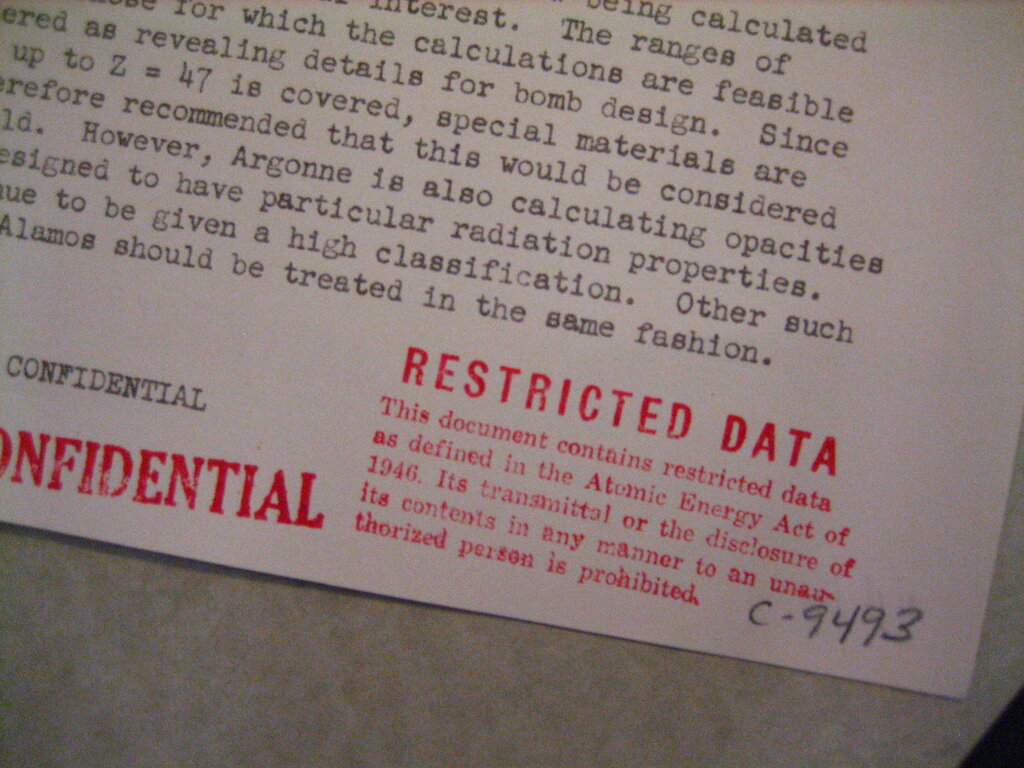
Certain goods and technologies are too sensitive to be sent abroad without government oversight. Export controls are rules that regulate the shipment of these items to foreign countries or to foreign nationals, even within the United States. The goal is to protect national security and advance foreign policy objectives. Think of it as a system to ensure sensitive technology doesn't fall into the wrong hands.
Two main sets of regulations govern most of these exports: the International Traffic in Arms Regulations (ITAR) and the Export Administration Regulations (EAR). While they have similar goals, they cover different types of items and are managed by different government agencies. Understanding the difference is the first step in navigating export controls.
ITAR for Defense
The International Traffic in Arms Regulations, or ITAR, focuses on items and services specifically designed for military purposes. These are called "defense articles." This includes obvious things like tanks, missiles, and firearms, but also less obvious items like military-grade electronics, technical data, and software related to defense systems.
The U.S. Department of State, through its Directorate of Defense Trade Controls (DDTC), is responsible for enforcing ITAR. They maintain the United States Munitions List (USML), which is a detailed catalog of all the defense articles and services covered by these regulations. If an item is on the USML, it's subject to ITAR.
American launch companies are governed by strict export control rules known as International Traffic in Arms Regulations (ITAR), while spacecraft component businesses are generally under the aegis of a different set of restrictions called Export Administration Regulations (EAR).
EAR for Dual-Use
The Export Administration Regulations, or EAR, cover items that have both commercial and potential military applications. These are known as "dual-use" items. They weren't designed for war, but they could be adapted for military purposes.
A great example is a powerful GPS device. It can be used by a hiker to navigate a trail or by a military to guide a drone. Other examples include high-performance computers, advanced sensors, and certain types of telecommunications equipment. Emerging technologies like quantum and bio-quantum sensors also often fall under this category because of their potential applications in both civilian and military sectors.

The EAR is managed by the Bureau of Industry and Security (BIS), which is part of the U.S. Department of Commerce. The BIS maintains the Commerce Control List (CCL), which categorizes all regulated dual-use items. Whether an item needs a license for export depends on what it is, where it's going, who will receive it, and what it will be used for.
| Regulation | Governs | Administering Agency |
|---|---|---|
| ITAR | Defense articles & services (military) | Dept. of State (DDTC) |
| EAR | Dual-use items (commercial & military) | Dept. of Commerce (BIS) |
Let's check your understanding of these key concepts.
What is the primary purpose of U.S. export controls?
A company develops a new high-performance computer that can be used for university research or to model military simulations. Which set of regulations would most likely govern its export?
Both ITAR and EAR are essential tools for safeguarding national security. They ensure that the United States maintains its technological edge and prevents sensitive capabilities from being used against its interests.