Geopolitical Risk Assessment for Investment Protection
Introduction to Geopolitical Risk
What is Geopolitical Risk?
Geopolitical risk refers to the threats that political actions and conflicts pose to businesses, investments, and economic stability. It’s the uncertainty that arises when the relationships between countries get tense. Think of it as the ripple effect of international politics on the global marketplace.
Geopolitical Risk
noun
The risk that a country's political changes or its relations with other countries will have a negative impact on business and investments.
These risks aren't just about wars. They can include trade disputes, elections with uncertain outcomes, civil unrest, or policy changes that affect international commerce. A single event in one corner of the world can send shockwaves through interconnected financial markets, supply chains, and industries globally.
Markets and Uncertainty
Global markets thrive on stability and predictability. When a major geopolitical event happens, it injects a heavy dose of uncertainty. Investors become cautious, unsure of how the event will affect company profits, trade flows, or the value of currencies. This uncertainty often leads to market volatility, where prices of stocks, bonds, and commodities can swing wildly.
For example, if two major trading partners impose tariffs on each other's goods, companies that rely on those trade routes face higher costs and potential loss of revenue. Their stock prices might fall as investors anticipate lower profits. The impact isn't just limited to the countries directly involved; it can disrupt entire global supply chains, affecting businesses and consumers worldwide.
Companies must understand how major geopolitical shifts impact revenue to protect themselves from conflict-related risks and disruptions up and down the supply chain.
Energy and Power Plays
Energy is a cornerstone of the global economy, making it a central element in geopolitics. Countries with abundant energy resources, like oil and natural gas, often hold significant political leverage. They can influence global prices and use their supplies as a tool in international relations.
Disruptions to the energy supply, whether from conflict, sanctions, or political instability, can have immediate and widespread economic consequences. A conflict near a major oil-producing region can cause crude oil prices to spike, leading to higher gasoline prices and increased transportation costs for businesses everywhere.
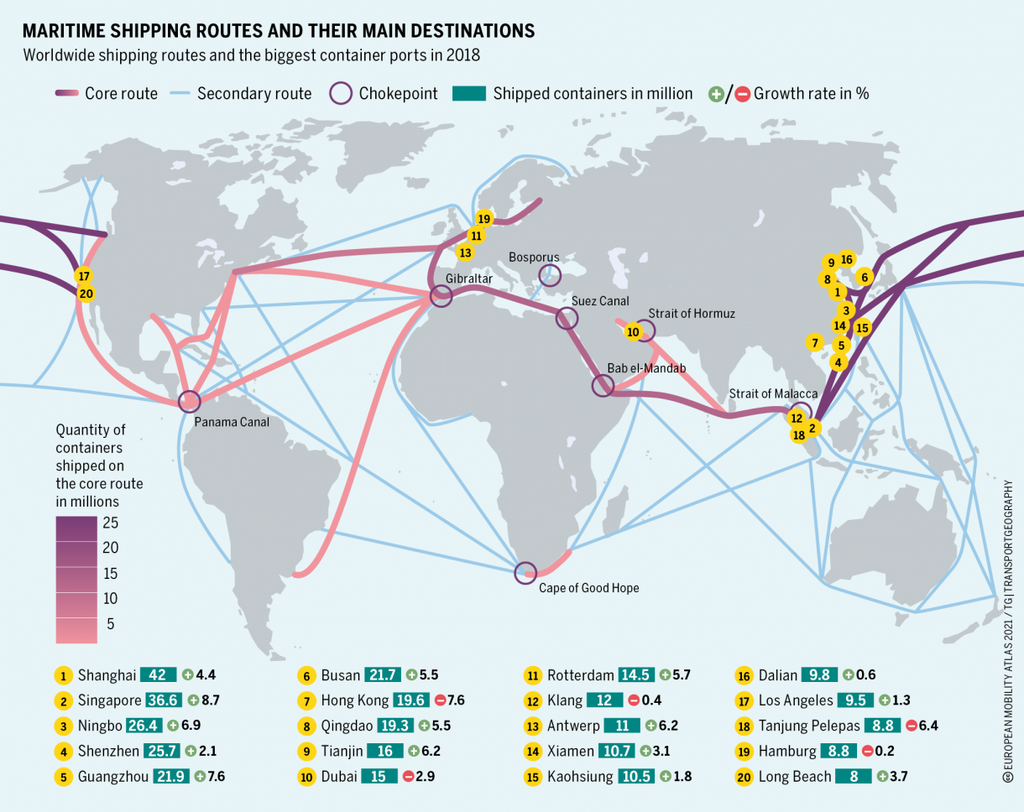
Control over critical transport routes, known as chokepoints, is also a source of geopolitical tension. A small number of straits and canals handle a massive portion of the world's oil shipments. Any blockage or threat to these chokepoints can disrupt global energy markets.
The Economic Cost of Conflict
Warfare is the most extreme form of geopolitical risk, and its economic impact is profound. Beyond the tragic human cost, conflicts destroy infrastructure, halt economic production, and divert vast amounts of government funds to military spending instead of productive investments. This can lead to long-term economic damage in the affected regions.
Modern conflicts also involve economic warfare. Countries may impose sanctions, which are penalties designed to cripple an adversary's economy. These can include freezing assets, banning trade, and cutting off access to the international financial system. While targeted at one country, sanctions can have unintended consequences for others that trade with it.
Let's look at a couple of recent examples.
| Geopolitical Event | Affected Sectors | Impact on Global Markets |
|---|---|---|
| Russia's Invasion of Ukraine (2022) | Energy, Agriculture, Defense | Spikes in global oil, gas, and wheat prices; increased stock values for defense companies. |
| US-China Trade Tensions | Technology, Manufacturing | Disruption of semiconductor supply chains; uncertainty for companies reliant on Chinese manufacturing or US technology. |
These cases show how political decisions and military actions translate directly into market movements and economic challenges that affect people around the globe.
Based on past geopolitical conflicts, investors should be prepared for pressure on stocks at the start of any widening conflict.
Ready to test your knowledge?
Which of the following best defines geopolitical risk?
Why do global markets often react with volatility to major geopolitical events?