Geopolitical Risk and Investment Protection
Geopolitical Risks
The World is Interconnected
Political events in one country can send shockwaves through the global economy, affecting everything from the price of gas to the value of your retirement account. These are known as geopolitical risks, and they arise from the complex interplay of international relations, economics, and geography.
Geopolitical Risk
noun
The danger that political actions, conflicts, or territorial disputes between countries will negatively affect the value of an investment.
Think of it this way: when countries have disagreements, they don't just argue. They might impose tariffs, create new trade barriers, or, in extreme cases, go to war. These actions disrupt the flow of goods, money, and energy across borders. That disruption creates uncertainty, and financial markets react strongly to uncertainty, often with sharp declines.
Geopolitical events create ripples that can turn into waves, affecting investments thousands of miles away from the source of the trouble.
Energy as a Flashpoint
Energy is a classic example of a geopolitical catalyst. Countries need it to power their economies, and the global system for producing and distributing it is incredibly fragile. The 2021–2023 global energy crisis shows how quickly things can unravel.
A perfect storm of factors kicked it off. As the world emerged from the COVID-19 pandemic, demand for energy surged. At the same time, supply struggled to keep up due to underinvestment in production and logistical bottlenecks. This imbalance sent prices soaring.
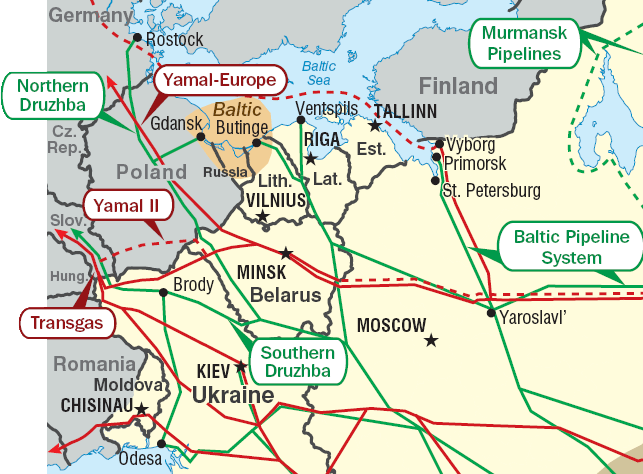
The situation became a full-blown crisis with Russia's invasion of Ukraine in early 2022. Russia is a massive exporter of natural gas, especially to Europe. In response to international sanctions, Russia sharply cut its gas supplies. This move weaponized energy, causing prices to spike to unprecedented levels and forcing European countries to scramble for alternative sources. The impact was felt globally as nations competed for limited supplies of liquefied natural gas (LNG), driving up costs for everyone.
The conflict demonstrated how geopolitical events can instantly reshape global energy markets.
For investors, the crisis was a mixed bag. Companies involved in oil and gas production saw their profits and stock prices skyrocket. However, industries that rely heavily on energy, like manufacturing and transportation, faced crippling costs. Airlines, for instance, saw their fuel bills eat into profits. The crisis highlighted how a single conflict could create winners and losers across the entire market.
Conflict and Economic Fallout
The Russo-Ukrainian War did more than just disrupt energy markets. Its economic consequences were widespread, demonstrating the broader effects of geopolitical conflict.
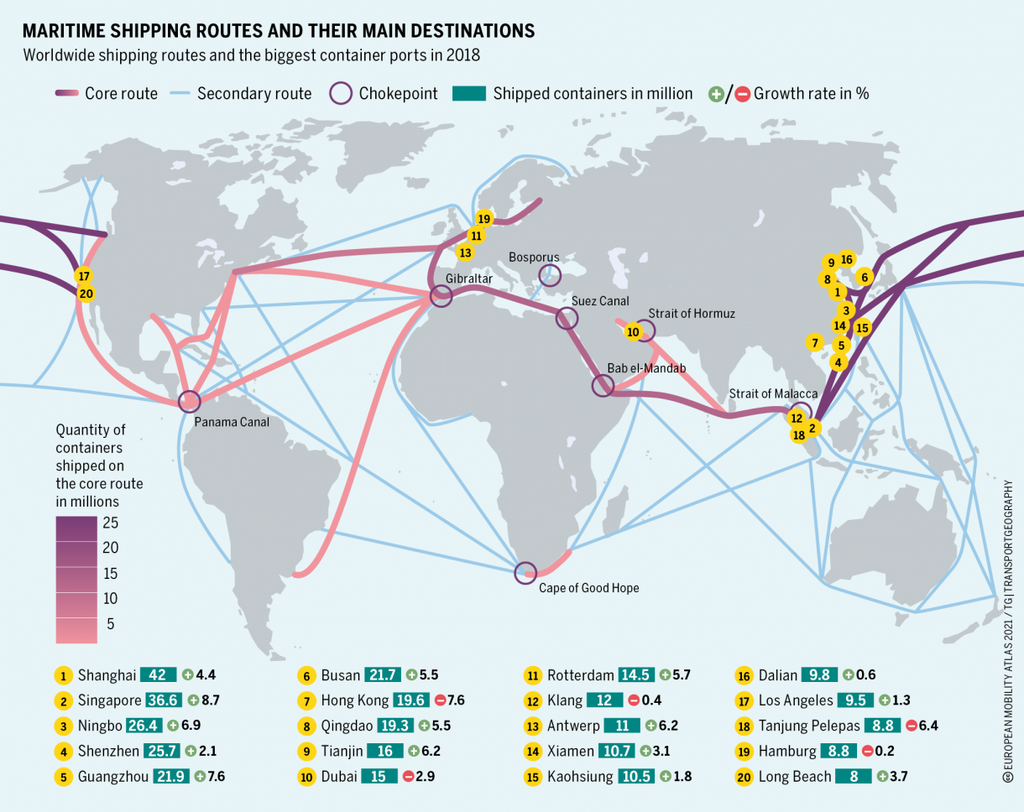
First, it shattered supply chains. Ukraine is a major exporter of wheat, corn, and sunflower oil, earning it the nickname "the breadbasket of Europe." The war halted much of this production and blocked shipping routes in the Black Sea. This led to fears of a global food crisis and sent prices for essential grains soaring, hitting developing nations particularly hard.
Second, the war and the resulting sanctions triggered a spike in inflation worldwide. Higher energy and food costs fed into the prices of nearly all goods and services. Central banks around the globe responded by aggressively raising interest rates to cool down their economies. This move, while necessary to fight inflation, also slammed the brakes on economic growth and caused stock and bond markets to fall sharply.
Investors faced a difficult environment. The value of their existing portfolios fell, and the fear of a global recession made them hesitant to take on new risks. Companies exposed to Russia or Ukraine saw their stock values collapse. The conflict served as a stark reminder of how quickly political instability can erase market value.
A war between two nations can become a financial problem for the entire world.
Understanding these risks is the first step for any investor. While you can't predict when the next crisis will happen, recognizing how political tensions can impact the economy is essential for navigating the complexities of global finance. These events aren't just headlines; they have real and lasting effects on markets.