Geometric Design of Hotel Suites
Introduction to Architectural Geometry
The Bones of a Building
Look at any building, and you're looking at geometry. It's the invisible skeleton that gives a structure its shape, strength, and style. At its core, architecture is the art of arranging geometric forms in space to create places for people to live, work, and gather.
The most basic shapes are the building blocks. Squares and rectangles create stable, predictable spaces like rooms and courtyards. Triangles provide rigid strength, which is why you see them in roof trusses and bridges. Circles and arches can open up a space, creating graceful curves and entryways.
These two-dimensional shapes extend into three-dimensional forms. A square becomes a cube, a circle becomes a sphere or a cylinder, and a triangle becomes a pyramid or a prism. Architects combine these simple forms to create complex and beautiful structures, from a simple rectangular house to a skyscraper made of stacked cubes and triangles.
geometry
noun
A branch of mathematics concerned with properties of space such as the distance, shape, size, and relative position of figures.
More Than Just Shapes
Beyond the basic shapes, architects use geometric principles to guide their designs. Properties like symmetry, proportion, and scale are crucial tools for creating spaces that feel right.
Symmetry, where one side of an object is a mirror image of the other, often creates a sense of balance, formality, and calm. Think of the grand entrance to a museum or a classical government building. Asymmetry, on the other hand, can create a feeling of dynamism and energy.
Proportion is about the relationship between the sizes of different parts of a whole. When the proportions are harmonious, like in a well-designed window or doorway, the entire building can feel pleasing to the eye. For centuries, architects have used mathematical ratios, like the Golden Ratio, to create what many consider to be perfect proportions.
Scale refers to how the size of a building or its parts relates to the size of a human being. A building with a human scale feels comfortable and welcoming, while a monumental scale can inspire awe and even intimidation.
Geometry Through the Ages
The link between architecture and geometry is ancient. The Egyptians used simple geometric principles with incredible precision to build the pyramids, aligning them to the cardinal points and ensuring their triangular faces met at a perfect point. Their understanding of geometry was both practical and sacred.
The ancient Greeks and Romans elevated geometry to an art form. They built their temples, like the Parthenon, using sophisticated principles of proportion and symmetry. They understood that the relationships between the width of columns, the height of a facade, and the overall dimensions of the structure were key to creating a building of timeless beauty.
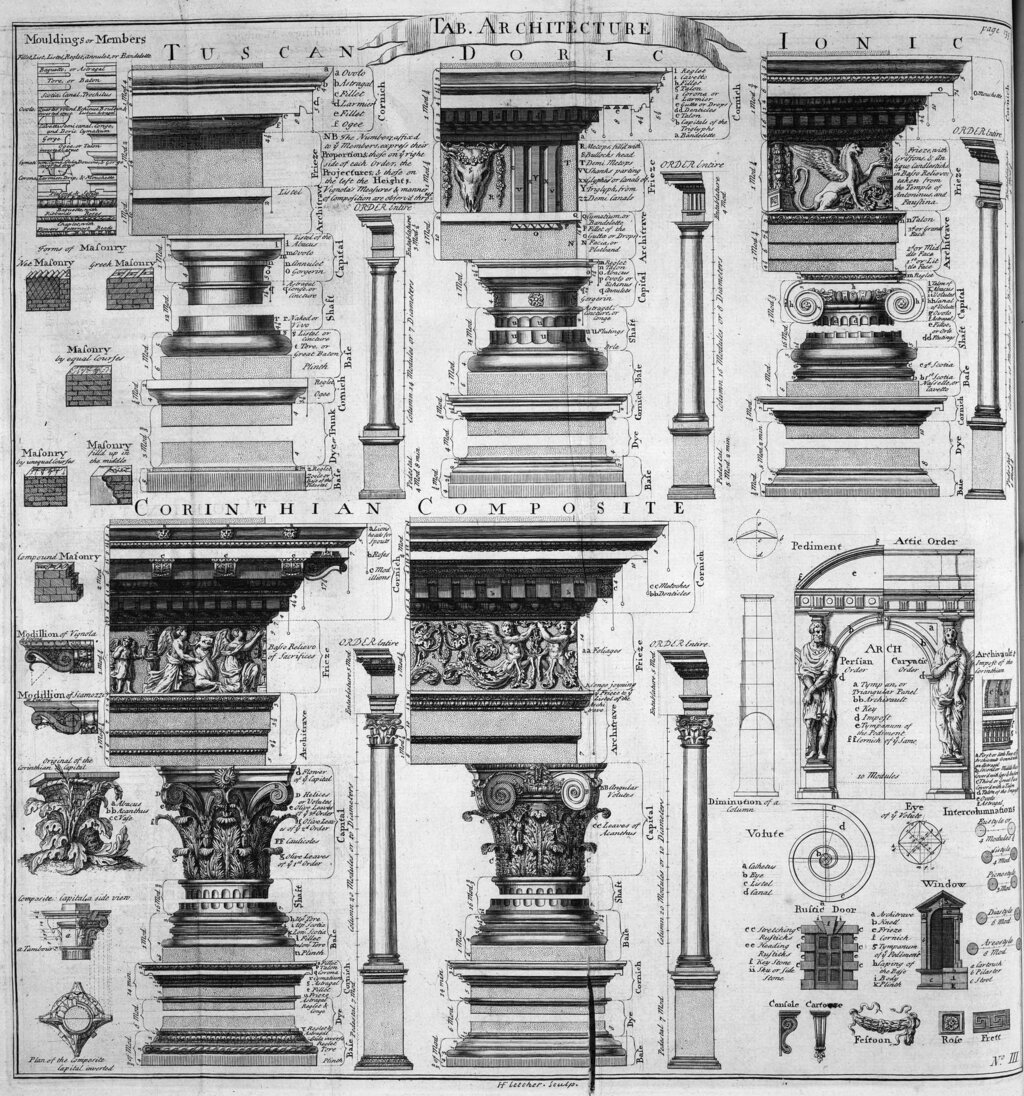
Later, during the Gothic period, architects used geometry to solve complex structural challenges. The pointed arch, ribbed vault, and flying buttress were all geometric innovations that allowed them to build taller, lighter cathedrals filled with stained glass windows that seemed to defy gravity. Geometry wasn't just for looks; it was for engineering miracles.
Geometry Today
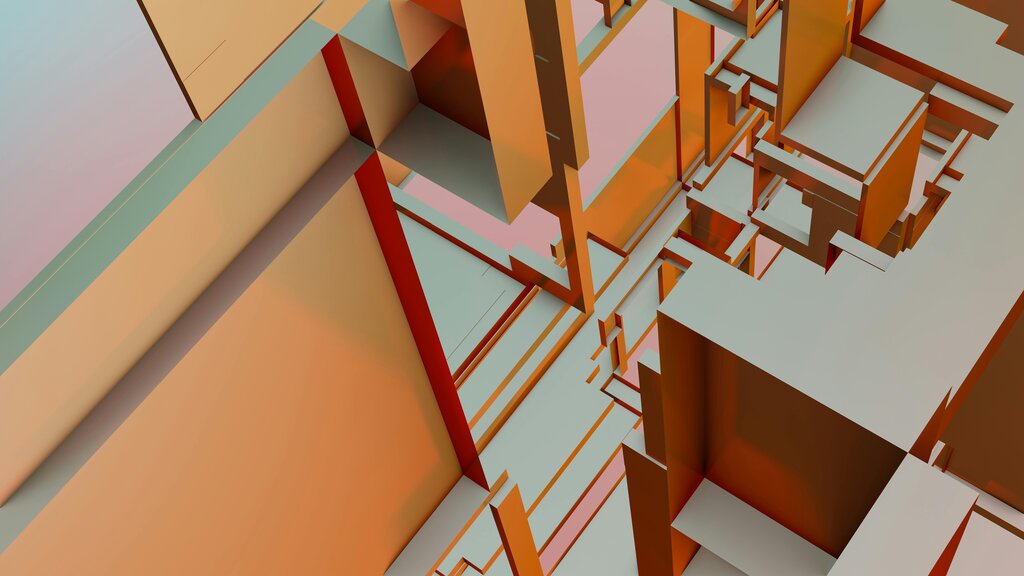
Modern architects continue to push the boundaries of what's possible with geometry, often aided by powerful computer software. They can now design and build complex, curving forms that would have been unimaginable to their predecessors. Buildings no longer have to be simple collections of boxes; they can flow and twist, mimicking shapes found in nature.
But geometry in modern architecture is also about performance. Architects use it to orient buildings to capture sunlight and reduce energy consumption. They design floor plans that optimize the flow of people and create functional, efficient spaces. From the angle of a solar panel to the layout of an open-plan office, geometric principles are hard at work behind the scenes.
Whether it's an ancient pyramid or a futuristic skyscraper, geometry remains the fundamental language of architecture, shaping the world we build around us.
In architecture, which geometric shape is primarily used for its structural rigidity and strength, often seen in roof trusses and bridges?
An architect designing a grand, formal public building that needs to feel balanced and calm would most likely rely on which geometric principle?