Gentrification Explained
Introduction to Gentrification
What Is Gentrification?
Picture a neighborhood. Over time, its character starts to shift. New shops open, buildings get a facelift, and different people start moving in. When wealthier individuals and families begin moving into a historically lower-income urban area, it sets off a chain of events. This process is called gentrification.
Gentrification
noun
The process whereby the character of a poor urban area is changed by wealthier people moving in, improving housing, and attracting new businesses, often displacing current inhabitants in the process.
At its core, gentrification involves a few key changes. Property values and rents go up. The types of businesses and services available start to cater to the new, more affluent residents. While this can bring investment and improvements, it often comes at a cost. Long-time residents, particularly those who rent, may find themselves priced out of the community they've always called home. This tension between neighborhood improvement and resident displacement is central to understanding gentrification.
Gentrification transforms neighborhoods, bringing new life and investment, but it can also erase a community's history and displace its people.
A Quick Look Back
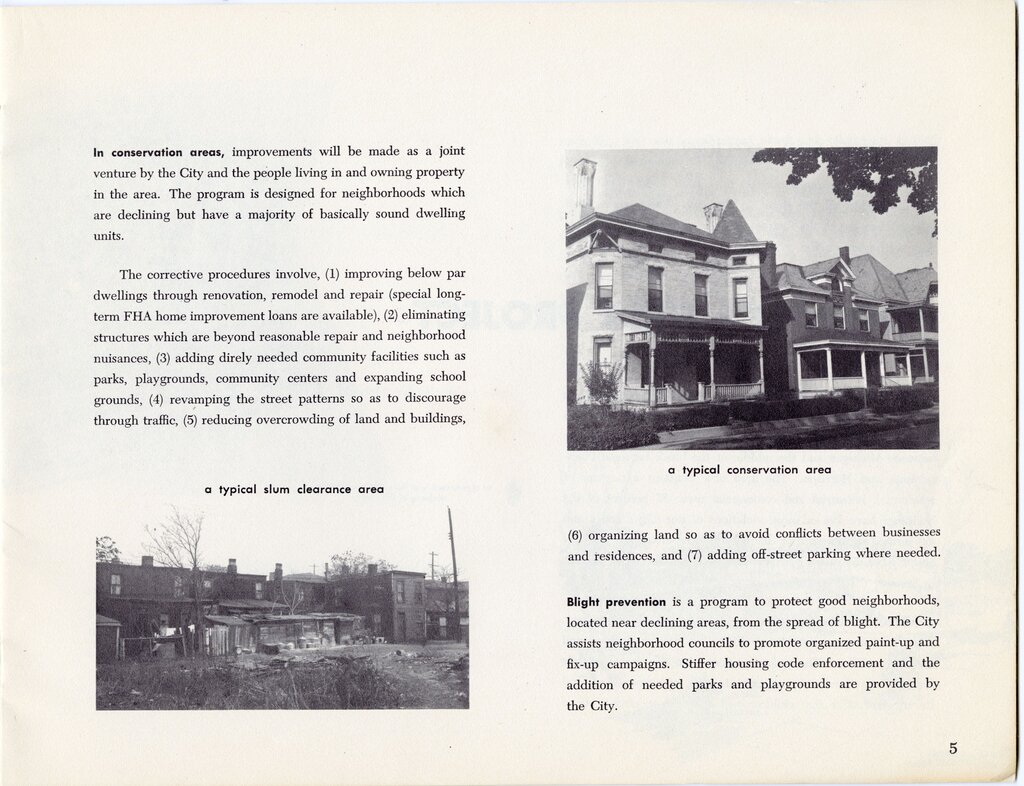
The seeds of modern gentrification were planted in the mid-20th century. After World War II, many middle-class families moved from cities to newly developed suburbs. This left urban centers with declining populations and neglected infrastructure. By the 1960s, a counter-movement began. People started rediscovering the appeal of city living—the culture, the convenience, and the historic architecture.
The term itself was coined in 1964 by sociologist Ruth Glass. She used it to describe the way middle-class newcomers were displacing the working-class residents of London neighborhoods. Initially, this process was slow and often led by individuals—artists or professionals buying and renovating single homes. Over the decades, however, gentrification has evolved. Today, it is often a large-scale process driven by real estate developers and government policies aimed at urban renewal.
Different Faces of Change
Gentrification doesn't look the same everywhere. It can take several forms, depending on what aspect of the neighborhood is changing most dramatically.
| Type of Gentrification | Primary Focus | Example |
|---|---|---|
| Residential | Housing Stock | Old apartment buildings are converted into luxury condos. |
| Commercial | Local Businesses | A family-owned diner is replaced by a high-end restaurant. |
| Industrial | Former Factories | An abandoned warehouse is turned into art studios or tech offices. |
| Cultural | Arts & Entertainment | Street art is commercialized and used to market the area's "edgy" vibe. |
Often, these forms overlap. For instance, the conversion of an old factory into expensive lofts (industrial gentrification) encourages new cafes and boutiques to open nearby (commercial gentrification), further changing the area's residential makeup. This blend of changes is what reshapes the entire look and feel of a community.
A Complicated Picture
The debate around gentrification is intense because its effects are so deeply personal. There is no simple good-guy, bad-guy narrative.
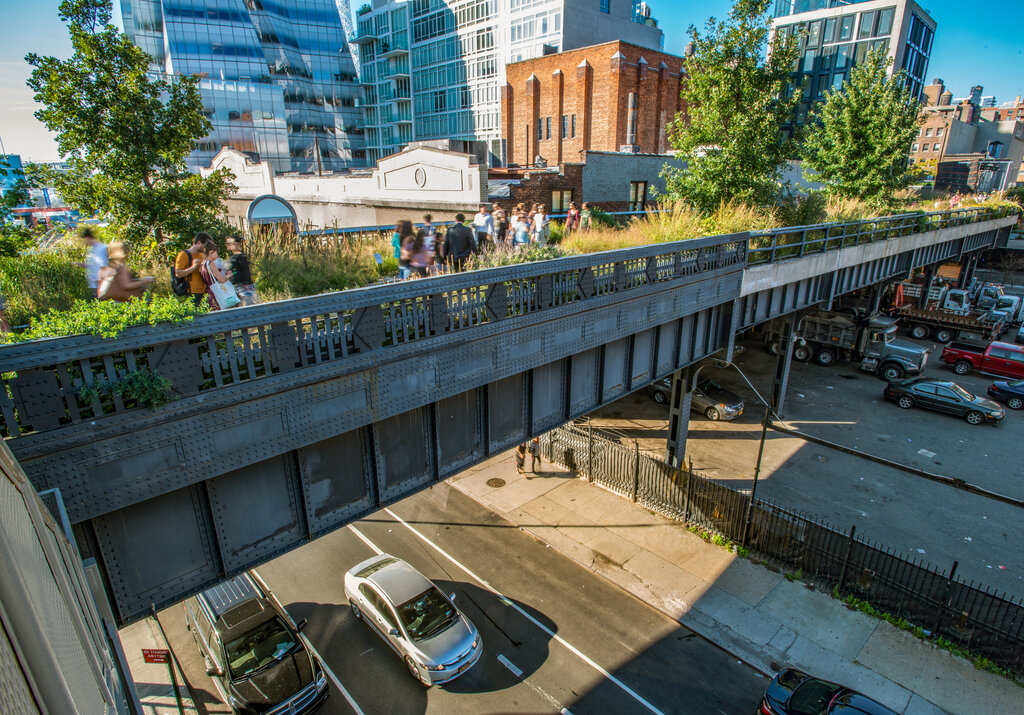
Supporters point to tangible benefits. New investment can lead to safer streets, cleaner parks, and better-funded schools. Property values rise, which can be a financial windfall for long-time homeowners. New businesses create jobs and bring more services and amenities into the neighborhood.
On the other hand, critics focus on the human cost. The most significant concern is displacement. As rents and property taxes climb, lower-income residents, seniors on fixed incomes, and small family businesses are often forced to leave. This can dissolve tight-knit communities and erase the cultural identity that made the neighborhood unique in the first place.
The ever-changing geography of cool has brought with it a cycle of neighborhood change, introducing newcomers and new wealth, sometimes displacing natives and poverty, and making the phenomenon of gentrification one of the most polemical topics in town.
This creates a fundamental conflict: one person's revitalization is another's displacement. A new bike lane might be a welcome addition for a new resident, but for a long-time shop owner, it could mean losing crucial parking for customers. Understanding gentrification means looking at these competing perspectives and acknowledging the complex, often contradictory, outcomes of urban change.
Now that we've covered the basics, let's test your understanding.
What is the central characteristic of the process known as gentrification?
The term "gentrification" was first used in 1964 by sociologist Ruth Glass to describe changes in which city?
This process involves complex social and economic forces, which we will explore in more detail later.