GentleWave Root Canal Therapy Explained
Introduction to Root Canal Therapy
Saving Your Smile
The phrase "root canal" can sound intimidating, but the procedure is actually designed to relieve pain and save your natural tooth. It's a treatment for an infection that has reached the very center of a tooth.
To understand how this happens, we need to look inside a tooth. Beyond the hard outer layers of enamel and dentin is a soft core called the dental pulp. The pulp contains nerves, blood vessels, and connective tissue. It extends from the main chamber in the crown down through narrow channels, the root canals, to the tip of the tooth's root.
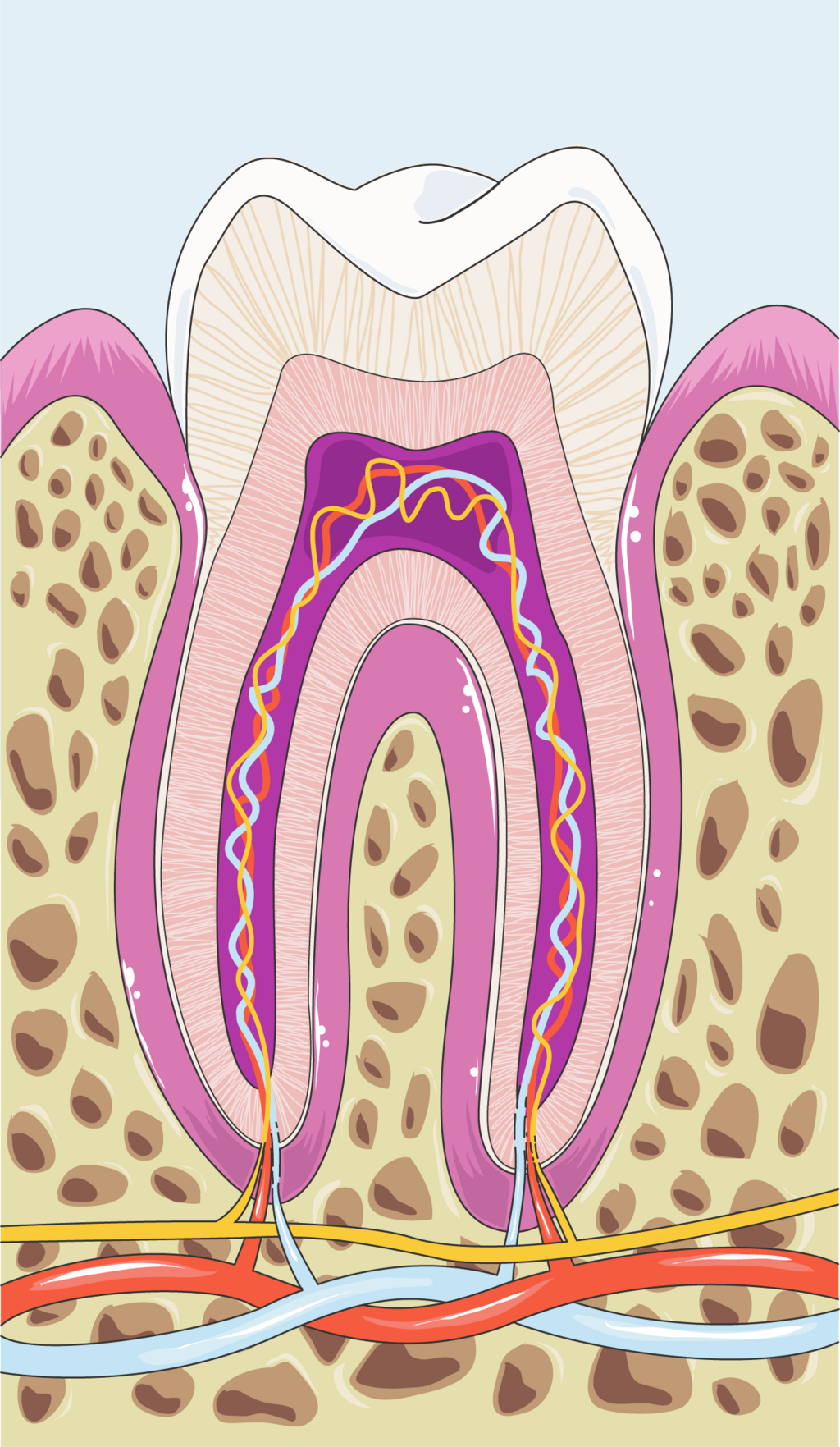
When a Tooth Gets Sick
The pulp is normally well-protected. But if a deep cavity, a crack, or repeated dental procedures on the same tooth compromise its defenses, bacteria can get inside and cause an infection. The pulp becomes inflamed and can eventually die.
Your body sends signals when this happens. An infected tooth isn't always quiet about its problems.
Common signs you might need a root canal include a severe toothache when chewing, lingering sensitivity to hot or cold temperatures, darkening or discoloration of the tooth, and tender, swollen gums nearby.
How Treatment Works
The goal of root canal therapy is simple: remove the infected or inflamed pulp, carefully clean and disinfect the inside of the tooth, and then fill and seal the space. This stops the infection and prevents it from spreading.
There are two main approaches to cleaning the root canal system. The first is traditional root canal therapy, which has been used for many years. A more recent alternative is the GentleWave Procedure, which uses a different method to clean the complex anatomy inside the tooth.
Let's test what you've learned so far.
What is the soft core of a tooth, containing nerves and blood vessels, called?
The primary goal of root canal therapy is to remove the infected pulp, clean the inside of the tooth, then __________.
Both methods aim to resolve the infection and save your tooth from needing to be extracted.