Genomics and Drug Discovery
Introduction to Genomics
The Blueprint of Life
Every living thing, from a blade of grass to you, has a set of instructions that dictates how it's built and how it functions. This master blueprint is a molecule called deoxyribonucleic acid, or DNA.
DNA
noun
A molecule composed of two polynucleotide chains that coil around each other to form a double helix carrying genetic instructions for the development, functioning, growth, and reproduction of all known organisms and many viruses.
Imagine a long, twisted ladder. This is the famous double helix structure of DNA. The two long rails of the ladder are made of a sugar-phosphate backbone. The rungs are what hold the genetic code, and they're made of pairs of chemicals called bases.
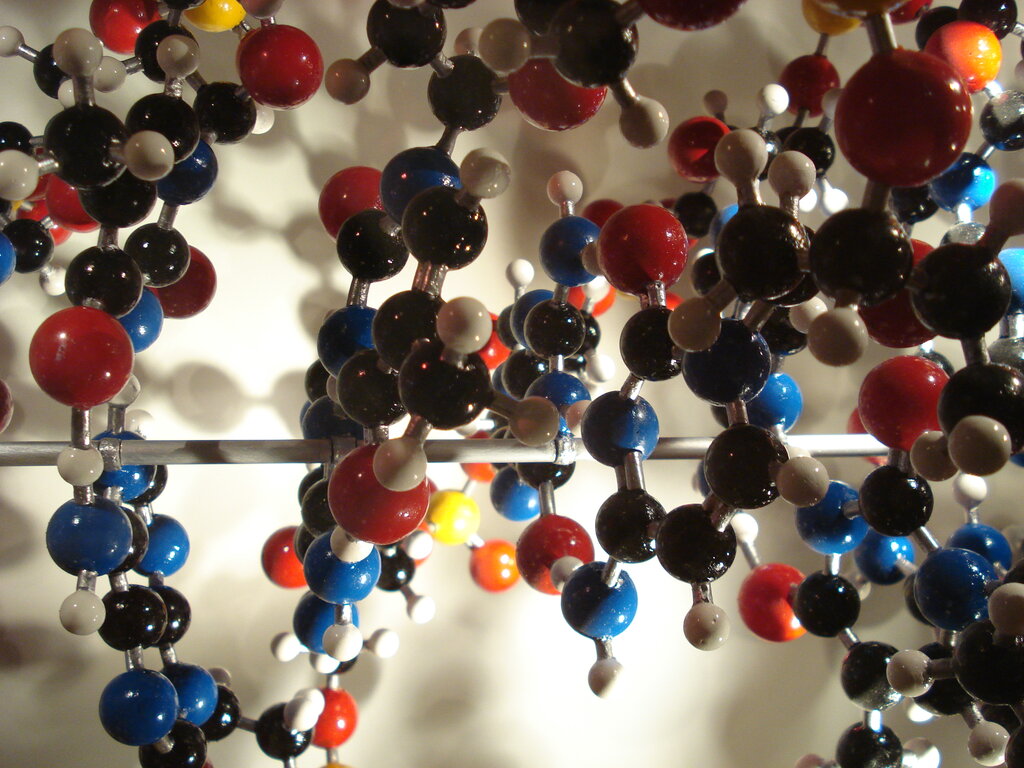
There are four bases: adenine (A), guanine (G), cytosine (C), and thymine (T). They have a specific pairing rule: A always pairs with T, and C always pairs with G. The sequence of these base pairs along the DNA strand is the genetic code. It's an incredibly long string of these four letters, spelling out the instructions for life.
Organizing the Instructions
A single human cell contains about six feet of DNA. To fit all of that information into a microscopic nucleus, it has to be organized incredibly efficiently. This is where genes and chromosomes come in.
A gene is a specific segment of DNA that contains the instructions for building one particular molecule, usually a protein. You can think of the entire DNA sequence as a massive cookbook, and each gene is a single recipe.
Gene
noun
A specific sequence of nucleotides in DNA or RNA that is located usually on a chromosome and that is the functional unit of inheritance controlling the transmission and expression of one or more traits.
To continue our analogy, if genes are the recipes, chromosomes are the volumes of the cookbook. A chromosome is a single, long DNA molecule tightly coiled around proteins called histones. This packaging keeps the DNA organized and accessible.
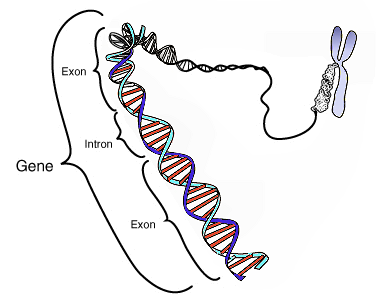
Humans typically have 23 pairs of chromosomes in each cell, for a total of 46. You inherit one set of 23 from your mother and another set of 23 from your father. The complete set of all this genetic material in an organism is called its genome. The human genome contains roughly 3 billion base pairs and about 20,000 to 25,000 protein-coding genes.
From Blueprint to Action
So, we have this vast library of instructions encoded in DNA, neatly packed away. How does the cell actually read these instructions and use them to build things? This process is described by the central dogma of molecular biology.
The central dogma explains the flow of genetic information within a biological system: DNA is transcribed into RNA, which is then translated into protein.
Let's break that down.
-
Transcription: A gene's DNA sequence is copied into a related molecule called messenger RNA (mRNA). Think of this as photocopying a recipe from the master cookbook. The cookbook (DNA) stays safe in the library (the nucleus), while the copy (mRNA) can be taken to the kitchen (the cytoplasm).
-
Translation: The cell's machinery, called ribosomes, reads the mRNA sequence. It translates the code, three bases at a time, into a chain of amino acids. This chain then folds into a specific 3D shape, becoming a functional protein. This is the chef reading the copied recipe and assembling the ingredients to make the final dish.
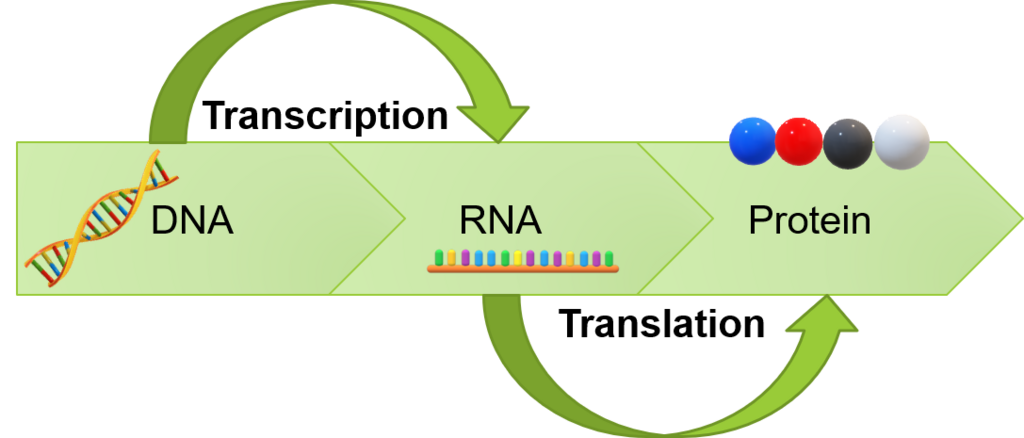
Proteins are the workhorses of the cell. They do almost everything, from forming the structural components of your body to acting as enzymes that drive chemical reactions. This flow from DNA to RNA to protein is how the genetic blueprint is brought to life.
The Spice of Life
If all humans share the same basic blueprint, why are we all so different? The answer lies in genetic variation. While the human genome is about 99.9% identical from person to person, that remaining 0.1% accounts for all the diversity we see.
These variations can be as small as a single base-pair change, called a single nucleotide polymorphism (SNP). For example, at a specific spot in the DNA, you might have a 'G' while someone else has an 'A'. Other variations can be larger, involving insertions, deletions, or rearrangements of entire sections of DNA.
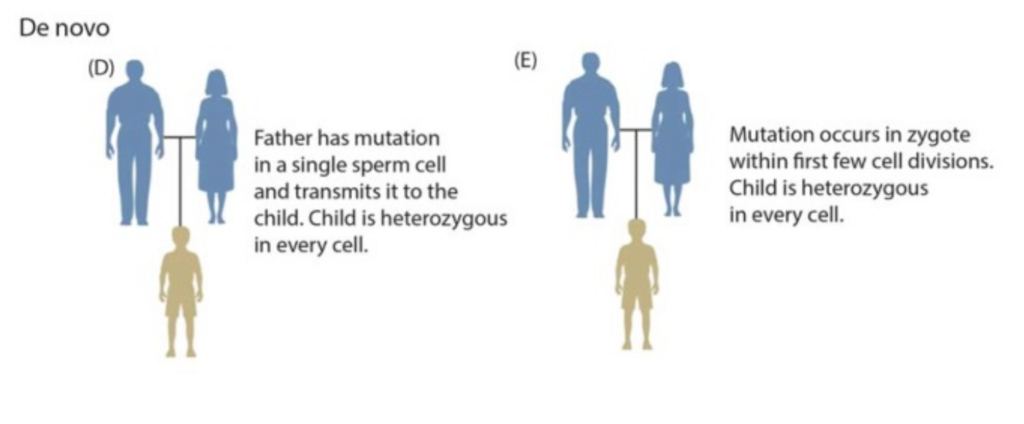
Most variations have no effect on health. They simply contribute to differences in traits like eye color, height, and blood type. However, some variations can influence a person's risk of developing certain diseases, like heart disease or diabetes, or how they respond to medications.
Understanding these variations is a cornerstone of genomics. By studying the subtle differences in our DNA, scientists can learn more about human health, disease, and evolution.
The structure of a DNA molecule is often described as a "double helix." What are the "rungs" of this twisted ladder structure made of?
Using the analogy of the entire DNA sequence as a "massive cookbook," what do individual genes represent?
These fundamental concepts—DNA, genes, chromosomes, and the variations between them—provide the foundation for understanding the entire field of genomics.