Genesys Cloud SMS Campaigns
Introduction to SMS Marketing
The Power in Your Pocket
Think about the last time your phone buzzed with a text message. You probably checked it within minutes. That immediate, personal connection is the core of SMS marketing. It’s a way for businesses to send promotional messages, updates, and offers directly to customers through text.
Unlike email inboxes that are often crowded, text messages have a sense of urgency and importance. This direct line to the customer is incredibly powerful. When a local coffee shop sends a text about a two-for-one deal, it feels more like a tip from a friend than a corporate ad.
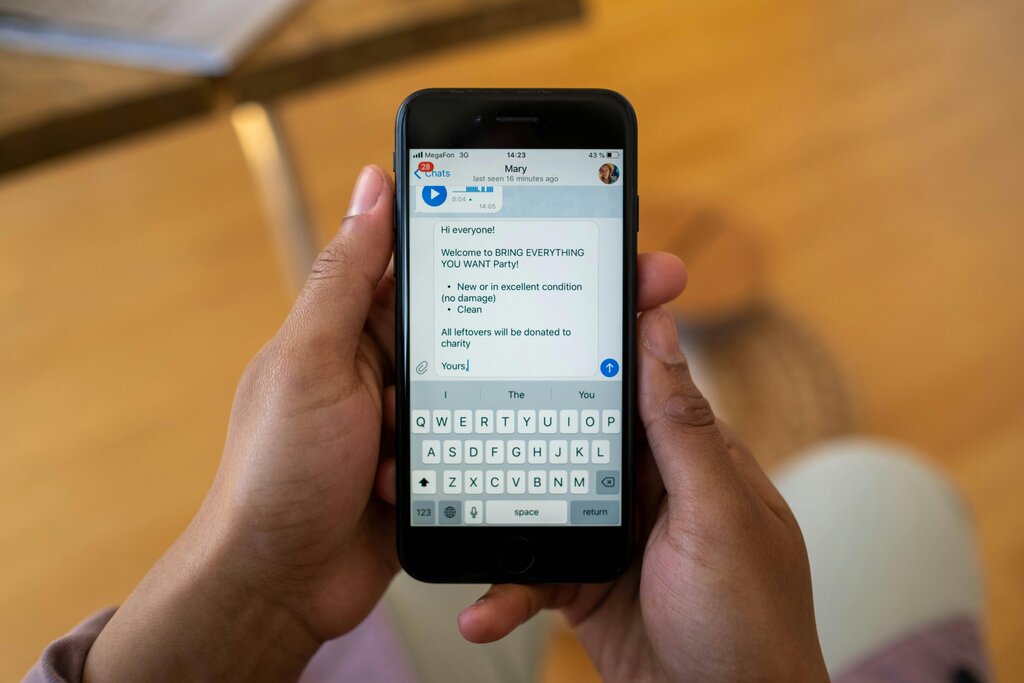
This immediacy leads to some impressive results. While a marketing email might go unread for days, or get lost in a spam folder, text messages are almost always seen.
SMS has one of the highest open and response rates across channels.
The numbers back this up. Open rates for SMS marketing can be as high as 98%, compared to around 20% for email. This makes it an incredibly effective way to ensure your message is actually seen by your audience. It's perfect for time-sensitive offers, appointment reminders, or flash sales that you want customers to act on quickly.
Permission is Everything
With great power comes great responsibility. A text message is a personal space, and interrupting someone's day without permission is a quick way to lose their trust. That’s why the single most important rule in SMS marketing is getting explicit consent.
You can't just text people out of the blue. Customers must actively agree, or "opt-in," to receive marketing messages from you.
This is often done through a web form where they check a box, by texting a specific keyword to a number (like texting "DEALS" to 555-55), or by giving verbal permission in person. This isn’t just good manners; it’s the law in many countries. Regulations like the Telephone Consumer Protection Act (TCPA) in the United States enforce strict rules about how businesses can contact consumers via text.
You MUST get explicit opt-in from users before sending them business-initiated messages.
Always make it just as easy for customers to opt-out. Including a simple instruction like "Reply STOP to unsubscribe" in your messages is standard practice and required by law. Respecting a customer's inbox builds the trust necessary for a lasting relationship. When done right, it makes them feel valued, not spammed.
Making it Personal
The best SMS marketing feels like a one-on-one conversation. Because it's such a direct channel, generic, mass-blasted texts fall flat. Personalization is what makes it work.
This can be as simple as using a customer's first name. It can also be more advanced, like sending a special birthday offer or a message based on their past purchases. For example, a bookstore could text a customer who loves sci-fi novels when a new book by their favorite author is released. This transforms a marketing message into a helpful, relevant recommendation.
Personalization is key — sending generic mass messages often leads to poor engagement and hurts your reputation.
By tailoring messages to individual preferences and behaviors, you show customers that you understand their needs. This builds loyalty and makes them more likely to engage with your brand. The goal is to make every text feel like it was sent just for them.
Let's review the key terms we've covered.
Now, check your understanding of these core concepts.
What is the primary advantage of SMS marketing compared to email marketing?
A business must obtain explicit consent before sending marketing texts. Which of the following is a valid method for getting this consent?
By focusing on consent, personalization, and delivering real value, SMS marketing can become one of the most effective tools in your communication strategy.