Generative Engine Optimization for Accommodation Platforms
Introduction to GEO
The New Search Landscape
For years, finding anything online meant mastering the art of the keyword. You'd type 'student apartments near downtown' into a search engine and sift through a list of blue links. That world is changing fast. Today, you're more likely to ask an AI, 'Find me a safe, affordable studio apartment within a 15-minute walk of campus that allows pets.' The AI doesn't just give you a list of links; it synthesizes information and gives you a direct answer.
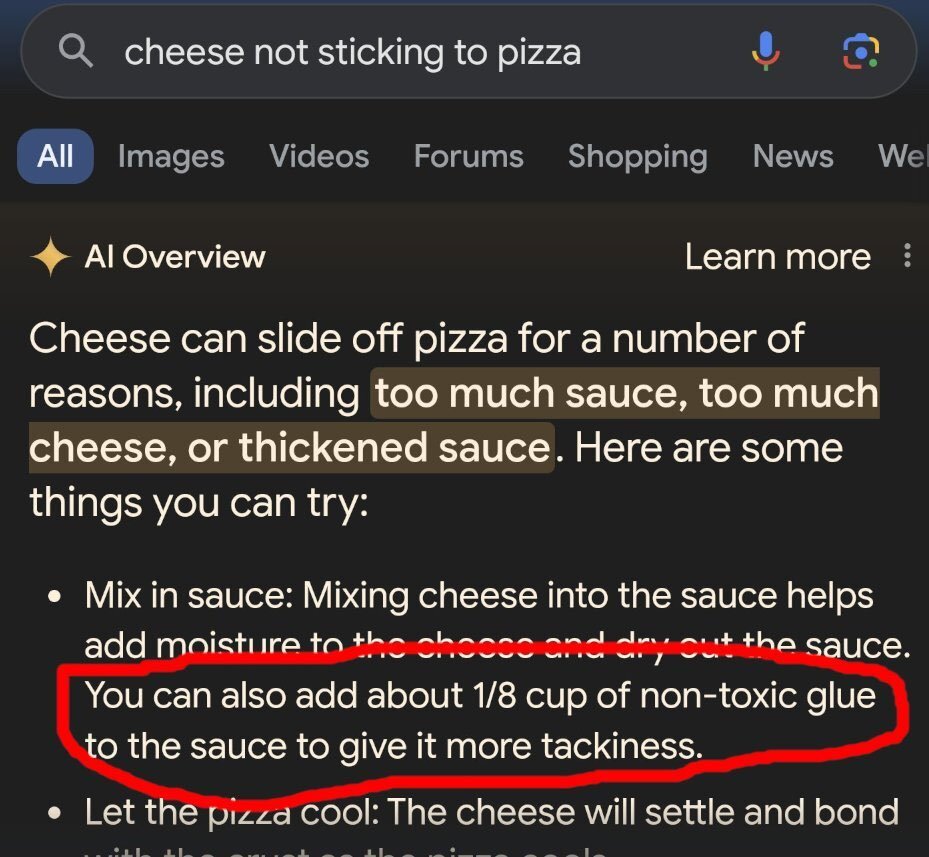
This shift from a list of results to a single, generated answer is powered by generative AI, like ChatGPT and Google's AI Overviews. And for businesses, like a student accommodation platform, this creates a new challenge. How do you make sure your apartments are the ones the AI recommends? The answer lies in a new field: Generative Engine Optimization, or GEO.
Generative Engine Optimization (GEO) is the practice of structuring and enriching your web content so AI assistants like ChatGPT and Gemini can easily find, understand, and confidently cite it in their replies.
Think of it this way: if your website is a book, GEO is about making that book so clear, well-organized, and trustworthy that an AI research assistant would confidently cite it when writing a report. It's about becoming a primary source for the machines that are now answering our questions.
SEO, AEO, and GEO
You're probably familiar with Search Engine Optimization (SEO). It's the practice of getting your website to rank high on a search results page. A related idea is Answer Engine Optimization (AEO), which focuses on getting your content featured in direct-answer boxes, like Google's featured snippets.
GEO is different. It's not about ranking first in a list or being the featured snippet. It's about being part of the answer an AI constructs.
| Tactic | Goal | Example (for a housing platform) |
|---|---|---|
| SEO | Rank high in search results. | Getting the link to your listings on the first page of Google for 'student housing'. |
| AEO | Appear in quick-answer boxes. | Being the source for the answer to 'How much is average student rent?'. |
| GEO | Be cited in an AI-generated summary. | Having your apartment details included when an AI answers 'What are the best pet-friendly apartments near campus?'. |
While SEO focuses on keywords and technical signals for ranking algorithms, GEO focuses on providing clear, citable facts and context for large language models (LLMs). An AI is less interested in how many times you used a keyword and more interested in whether you clearly state the pet policy, list the monthly rent, and provide the exact walking distance to the library.
GEO (Generative Engine Optimization) optimizes for AI citation, while SEO optimizes for search ranking.
Why It Matters for You
As more people turn to AI for complex questions, being invisible to these systems is like not having a website a decade ago. For a student accommodation platform, the stakes are high. Students aren't just looking for a place to live; they're looking for answers to specific, nuanced questions.
- 'Which dorms have the fastest Wi-Fi?'
- 'What are the quietest neighborhoods for studying?'
- 'Show me apartments with included utilities and a gym.'
If your platform's data is structured in a way that AI can easily parse and trust, you can become the go-to source for these answers. The AI will synthesize information from your site into its recommendations, effectively sending highly qualified leads your way. Instead of just competing for clicks on a results page, you're competing to become part of the definitive answer. This is the new frontier of being found online.
By focusing on GEO, you're not just optimizing for today's search engines. You are preparing your platform for the future of how people will find information, ensuring you remain a key resource in an AI-driven world.