Generative Engine Optimization
Introduction to Generative AI
What Is Generative AI?
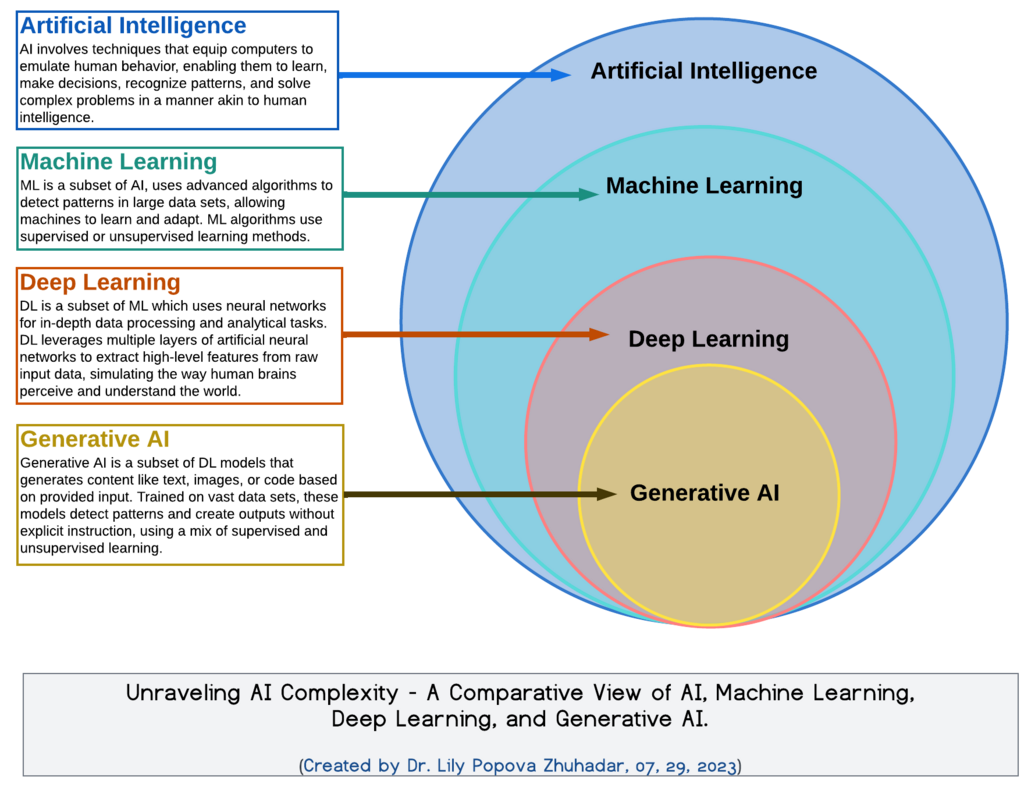
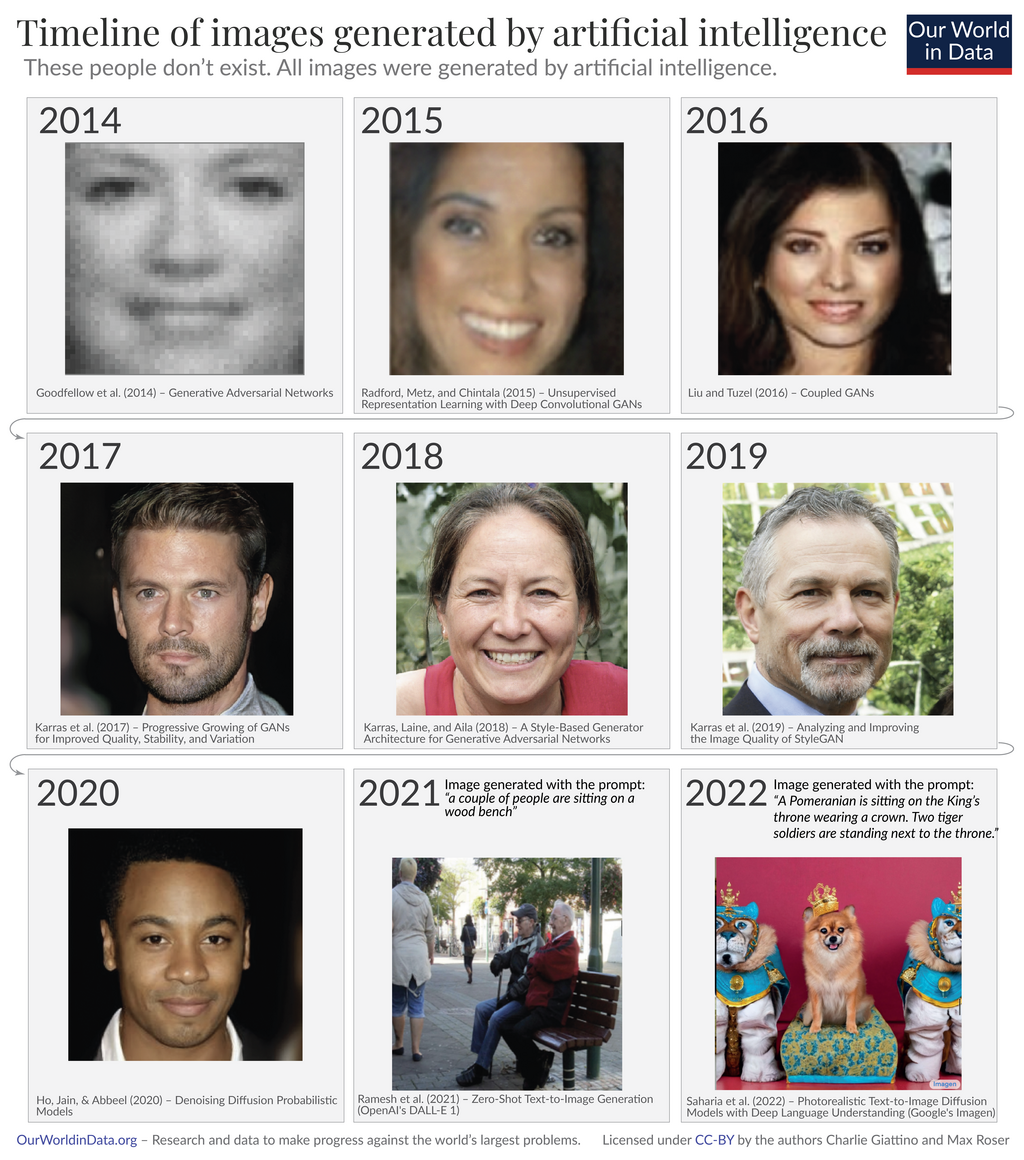
Generative AI is a type of artificial intelligence that creates new, original content. Unlike other AI that might categorize data or identify patterns, generative models produce something that didn't exist before. This could be an essay, a song, a computer program, or a realistic image.
Think of it like an apprentice artist who studies thousands of paintings. The apprentice doesn't just copy the old masters. Instead, they learn the styles, techniques, and subjects. After enough training, they can create a brand new painting that reflects what they've learned but is entirely their own work. Generative AI works in a similar way, learning from vast datasets of text, images, or sounds to generate its own unique outputs.
The key idea is creation, not just analysis. Generative AI learns the underlying patterns of data so it can produce new examples that follow those same patterns.
How Do These Models Work?
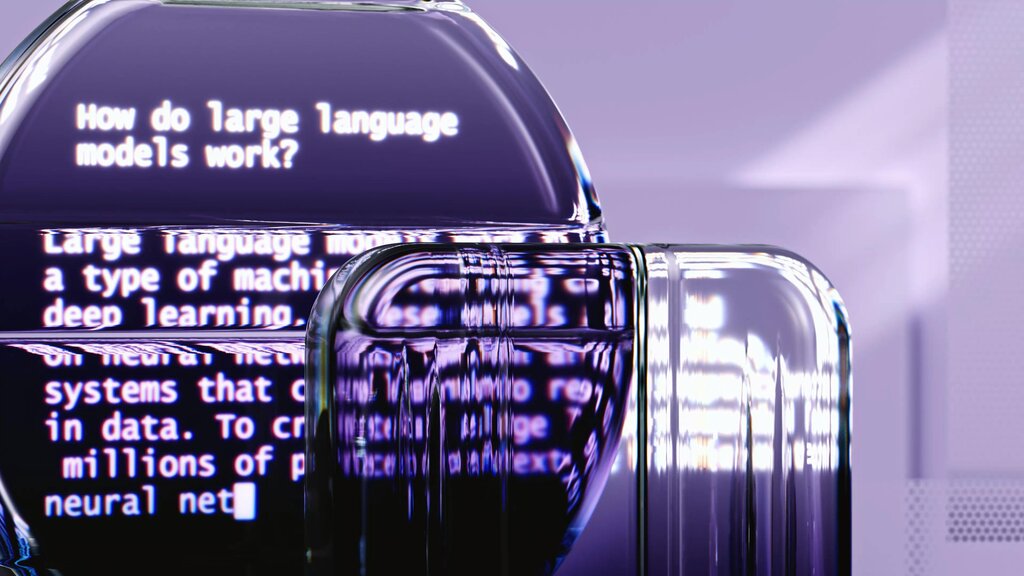
At their core, generative models are sophisticated pattern-matching systems. They are trained on enormous amounts of data—for instance, a large portion of the public internet. During this training process, the model learns the relationships between words, the structure of sentences, grammar, and even concepts and ideas.
Two common architectures you might hear about are GPT and BERT. They are both based on a technology called a Transformer, but they have different strengths.
- GPT (Generative Pre-trained Transformer): This model excels at generating text. It works by predicting the most likely next word in a sequence. By doing this over and over, it can write coherent paragraphs, answer questions, and even write code.
- BERT (Bidirectional Encoder Representations from Transformers): This model is designed to understand the context of a word by looking at the words that come before and after it. This makes BERT incredibly good at figuring out the intent behind a search query, which is why it has been a game-changer for search engines.
These models don't "understand" text in the human sense. They are performing complex statistical analysis to determine what words should come next or how they relate to each other. The result, however, can be remarkably human-like.
From Content to Conversation
The applications of generative AI are expanding quickly. Initially, it gained fame for creating content. AI tools can now write marketing copy, generate programming functions, compose music, and create stunning digital art from a simple text description.
This technology is also fundamentally changing how we find information. Search engines have long used AI like BERT to better understand the meaning behind your search terms. Now, they are taking the next step.
Instead of just providing a list of links, search engines are using generative AI to create a direct answer, summarizing information from multiple sources into a single, cohesive block of text. You've likely seen this in Google's "AI Overviews" or when using chatbots like ChatGPT. The search engine becomes a conversational partner that provides a synthesized answer.

This shift from a list of links to a direct, generated answer has big implications. It means that getting content seen by an audience is no longer just about ranking highly. It's about being a trusted source that an AI model will cite. This is the foundation for a new field called Generative Engine Optimization (GEO).