Generative AI in Hebrew
Introduction to Generative AI
What is Generative AI?
Artificial intelligence isn't just about analyzing data anymore. A newer, more creative branch of AI has emerged that can generate completely new things. This is called Generative AI. Instead of just recognizing a cat in a photo, it can create a realistic picture of a cat that has never existed.
Generative AI models learn the underlying patterns in a dataset and use that knowledge to produce new, original content, from text and images to music and code.
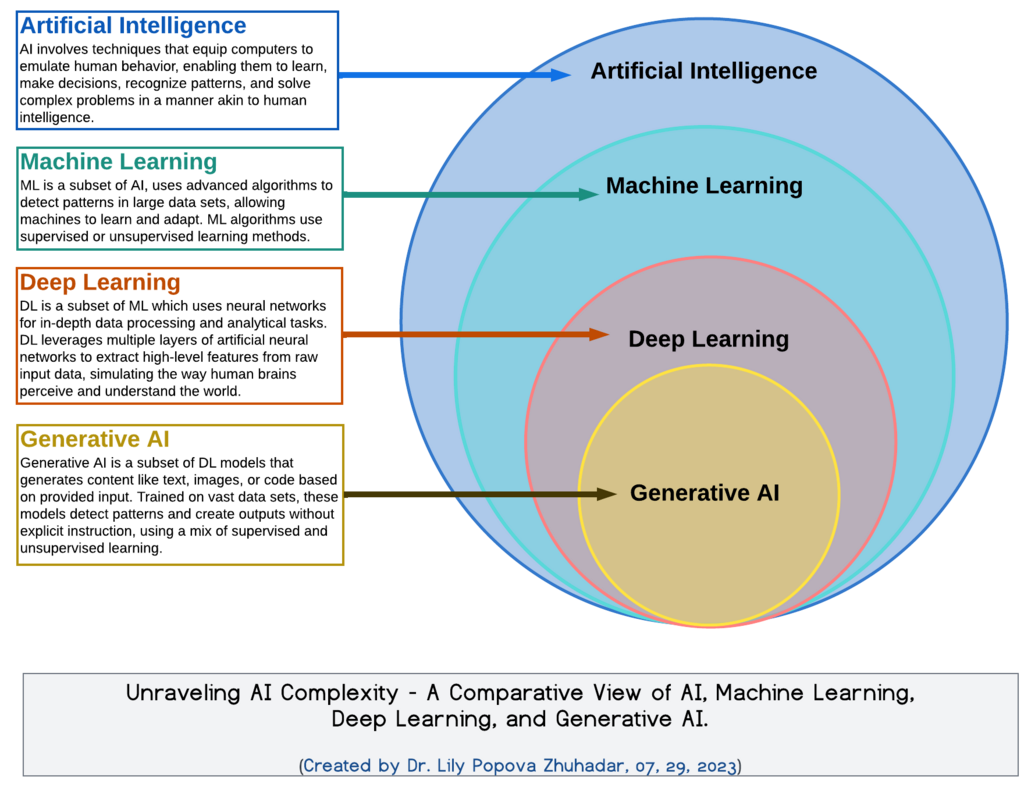
This ability to create is a significant leap. It moves AI from a tool for classification and prediction to one of creation and invention. This opens up countless new applications that were previously the exclusive domain of human creativity. It's helpful to see where Generative AI fits within the broader landscape of artificial intelligence.
How Models Learn to Create
So how does a machine learn to be creative? Generative AI models are trained on vast amounts of data—for example, thousands of paintings or millions of articles. By processing this data, the model learns the styles, patterns, and structures within it. It doesn't just memorize the data; it builds an internal understanding of how the data is constructed. Then, it can use this understanding to generate new examples.
Two common types of generative models are Generative Adversarial Networks (GANs) and Variational Autoencoders (VAEs). You don't need to know the deep technical details, but the core ideas are quite clever.
Think of a GAN as an artist and a critic working together. One part of the network, the generator, creates new images. The other part, the discriminator, tries to tell the difference between the generator's fake images and real images from the training data. They compete, with the generator getting better at making fakes and the discriminator getting better at spotting them. Over time, the generator becomes so good that its creations are indistinguishable from the real thing.
VAEs work a bit differently. They learn to compress data into a simplified representation and then reconstruct it back to its original form. By learning to recreate the data accurately, the model develops a deep understanding of its essential features. It can then generate new data by creating new compressed representations and decoding them into original outputs.
Applications and Implications
The ability to generate new content has applications across nearly every industry. In marketing, AI can create personalized ad copy and images. In drug discovery, it can design new molecular structures. Software developers use it to write and debug code, while artists use it to create novel visual art and music.
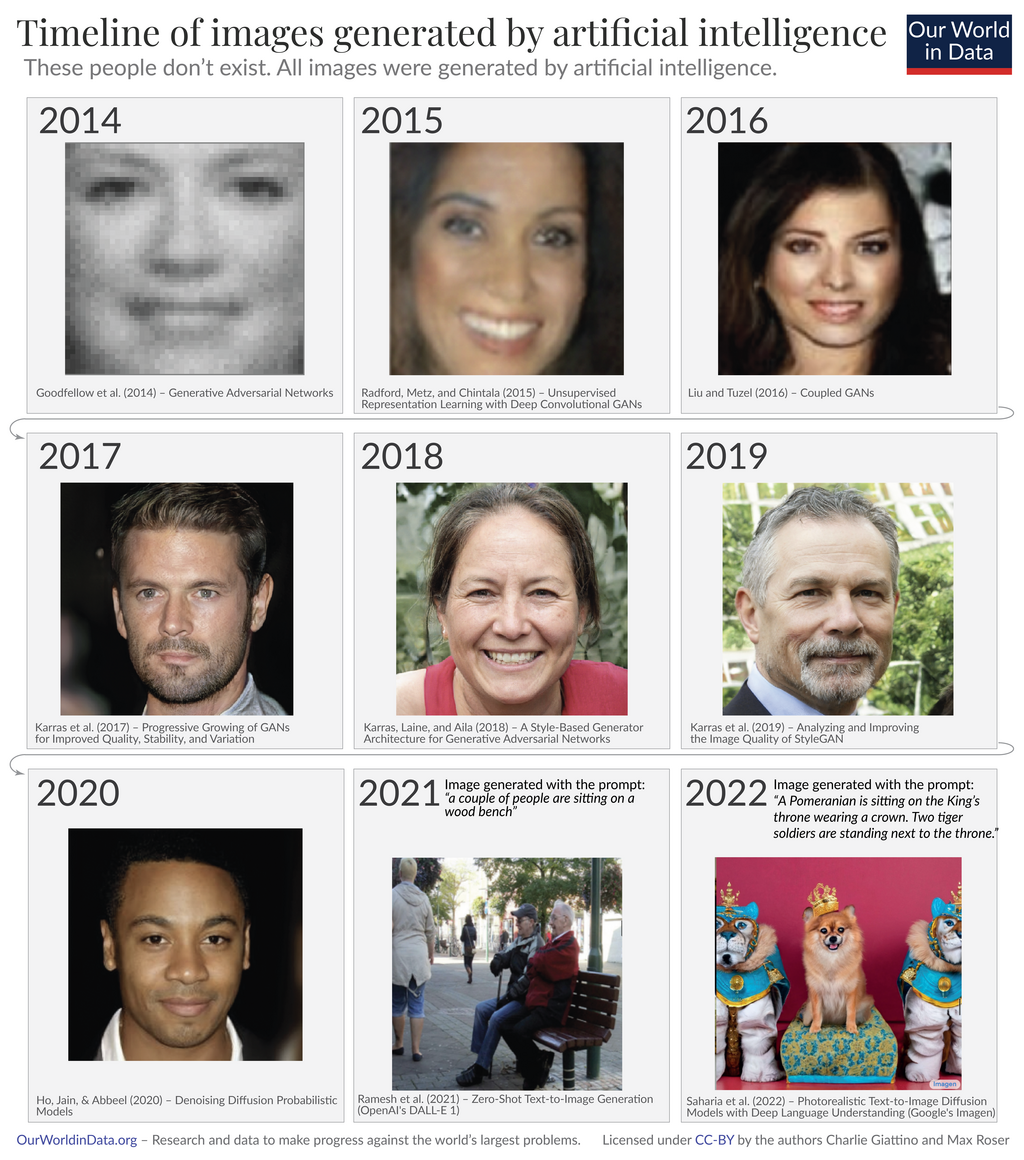
While the potential is enormous, Generative AI also brings significant ethical challenges. The ability to create realistic but fake images and videos, often called "deepfakes," raises concerns about misinformation and fraud. There are also questions about copyright and ownership when an AI creates a piece of art. Who is the author—the person who wrote the prompt, the developer who built the model, or the AI itself?
Furthermore, the data used to train these models can contain biases, which the AI may then replicate or even amplify in its outputs. Ensuring fairness, transparency, and accountability is crucial as these powerful tools become more integrated into our lives.
It highlights the potential for both positive and negative uses of generative AI programs and explores the challenges in assigning responsibility for their outputs.
As this technology continues to evolve, understanding its core concepts, applications, and ethical dimensions is essential for navigating the future it is helping to create.