Generative AI in Education
Generative AI in Education
AI in the Classroom
Artificial intelligence is no longer just a concept from science fiction; it's a tool being used in schools and universities around the world. Generative AI, the technology behind platforms like ChatGPT, can create new content like text, images, and code. This capability is starting to reshape how both teachers and students approach education.
Instead of replacing educators, these tools are often positioned as assistants or partners. They can help design a course, explain a complex topic in simple terms, or even generate practice problems. The goal is to make learning more efficient, personalized, and engaging.
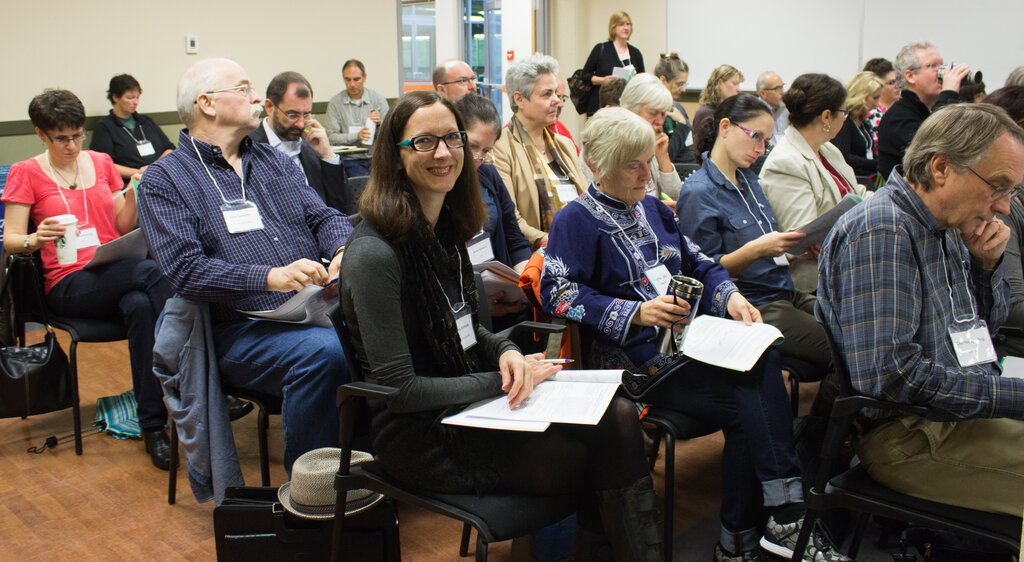
New Tools for Teaching and Learning
One of the most immediate applications of generative AI is in content creation. Teachers can use it to draft lesson plans, create slide presentations, or write quiz questions in a fraction of the time it used to take. This frees them up from administrative burdens to focus more on direct student interaction.
For students, AI opens the door to truly personalized learning. Imagine an AI tutor that knows your specific strengths and weaknesses. If you're struggling with algebra, it can generate extra practice problems tailored to the concepts you find difficult. If you're a fast learner, it can introduce more advanced topics to keep you challenged. This one-on-one approach was once a luxury, but AI makes it scalable.
AI can handle the repetitive tasks, freeing up teachers to focus on what matters most: teaching.
Beyond personalized tutoring, AI tools can function as powerful research assistants. They can summarize long articles, explain dense academic papers in simple language, and help brainstorm ideas for essays or projects. This helps students access and understand information more effectively.
Benefits and Hurdles
The integration of AI into education brings clear benefits. It can make learning more interactive, helping to boost student engagement. By providing instant feedback and round-the-clock support, AI tools can help students learn at their own pace, whenever and wherever they are.
However, the technology isn't without its challenges. One major issue is accuracy. Generative AI models can sometimes produce incorrect or nonsensical information, an issue often called "hallucination." This means that content created by AI must be carefully checked for accuracy by both teachers and students.
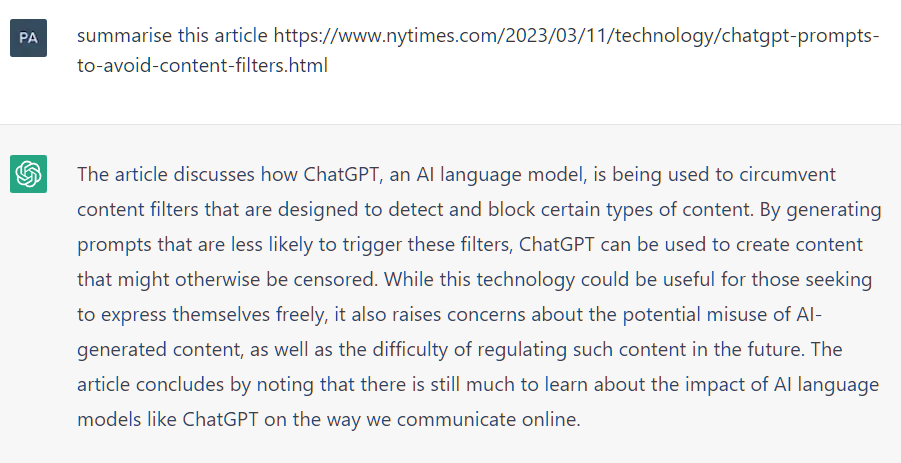
There's also the risk of students becoming too reliant on these tools, potentially hindering the development of critical thinking and problem-solving skills. If an AI can write an essay or solve a math problem instantly, what's the incentive for a student to learn how to do it themselves? Educators are actively exploring ways to use AI to enhance learning without replacing the fundamental process of thinking and creating.
Ready to check your understanding?
According to the provided text, what is the primary role of generative AI tools in education?
What is a major challenge or risk associated with using generative AI in education?
As generative AI continues to evolve, its role in education will likely grow. The key will be to harness its power thoughtfully, ensuring it serves as a tool to empower both educators and learners.