Generative AI Fundamentals
Introduction to Generative AI
What is Generative AI?
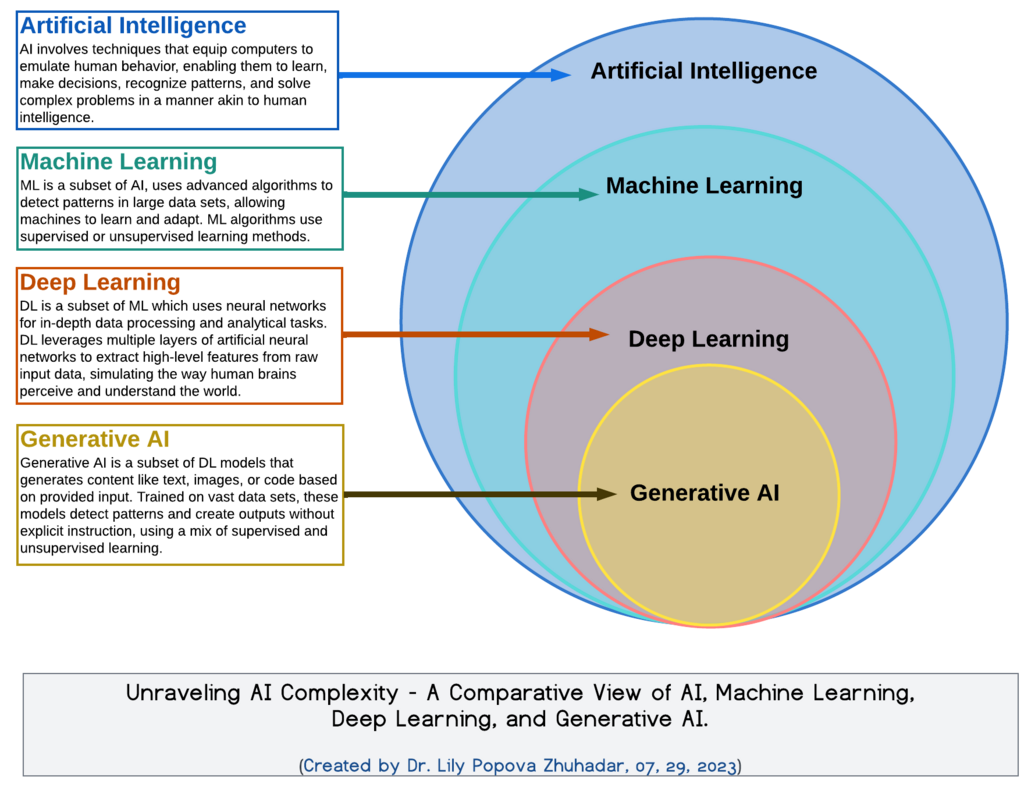
Artificial intelligence comes in many flavors. Some AI is great at recognizing patterns and making predictions based on data. For example, an AI might look at thousands of pictures of cats and learn to identify a cat in a new photo. This is called discriminative AI. It discriminates between different types of data.
Generative AI does something different. Instead of just identifying a cat, it learns the underlying patterns of what makes a cat a cat, and then it can create a brand new picture of a cat that has never existed. It generates new content.
Generative AI is a subfield of artificial intelligence focused on creating new content such as text, images, audio, video, or code by learning patterns and structures from large datasets.
Think of it as the difference between a music critic and a composer. A critic analyzes and categorizes existing music. A composer uses their understanding of musical patterns to write an entirely new song.
Generative AI is the composer. It learns from vast amounts of information—text, images, sounds, code—and then uses that knowledge to produce original works.
A Quick History
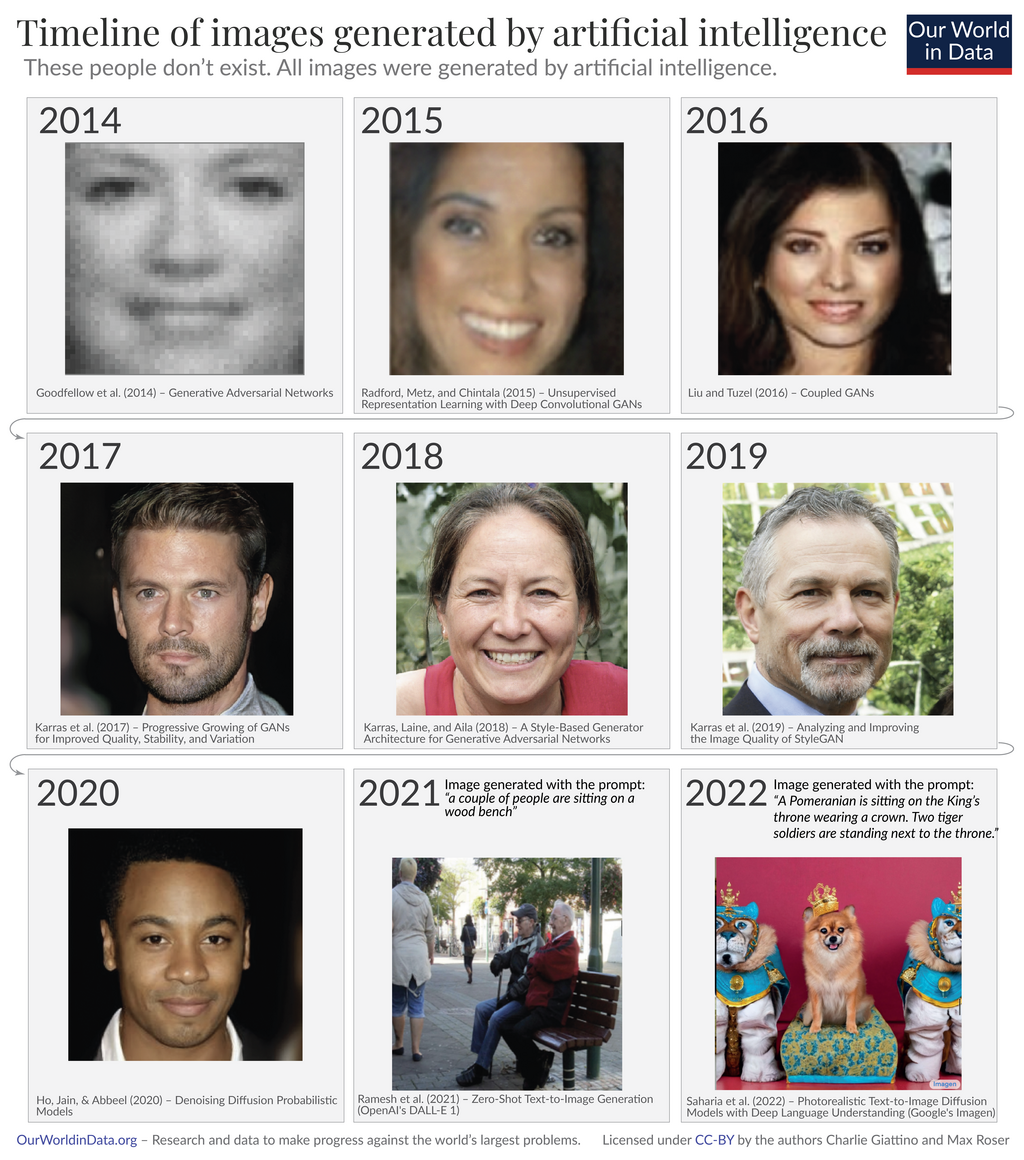
The idea of machines that can create isn't new. Early concepts date back to the mid-20th century. However, for a long time, computers lacked the processing power and the massive datasets needed to make it a reality. Early models could produce blurry images or simple, repetitive text.
The game changed in the 2010s with the development of new techniques and the explosion of available data. Suddenly, AI could generate content that was not just novel, but also coherent, complex, and sometimes indistinguishable from human creations.
Where is it Used?
Generative AI is already impacting many industries. It's not just about creating art or writing poems. It has practical, powerful applications that are changing how we work and create.
| Industry | Application | Example |
|---|---|---|
| Marketing | Content Creation | Generating ad copy, social media posts, and personalized email campaigns. |
| Software | Code Generation | Assisting developers by writing boilerplate code or suggesting functions. |
| Entertainment | Media Production | Creating special effects, composing background music, or generating scripts. |
| Healthcare | Drug Discovery & Research | Designing new molecules and predicting their properties to speed up research. |
| Design | Prototyping and Ideation | Generating product design concepts, architectural mockups, or logos. |
These are just a few examples. As the technology continues to evolve, its applications will only expand, finding new ways to assist human creativity and solve complex problems.
What is the primary function of generative AI?
Using the analogy from the text, if a music critic is like discriminative AI, what is like generative AI?