Generative AI for Prescriptive Analytics
Introduction to Generative AI in Prescriptive Analytics
Beyond Analyzing Data
Most forms of AI are built to recognize patterns and make predictions. They analyze existing data. Generative AI does something different: it creates new content. Based on the patterns it learns from vast amounts of data, it can generate original text, images, code, or even musical compositions.
Think of it as the difference between an art critic and an artist. One analyzes existing work, while the other creates new work.
Generative AI
noun
A type of artificial intelligence that can produce various types of new content, such as text, imagery, audio, and synthetic data.
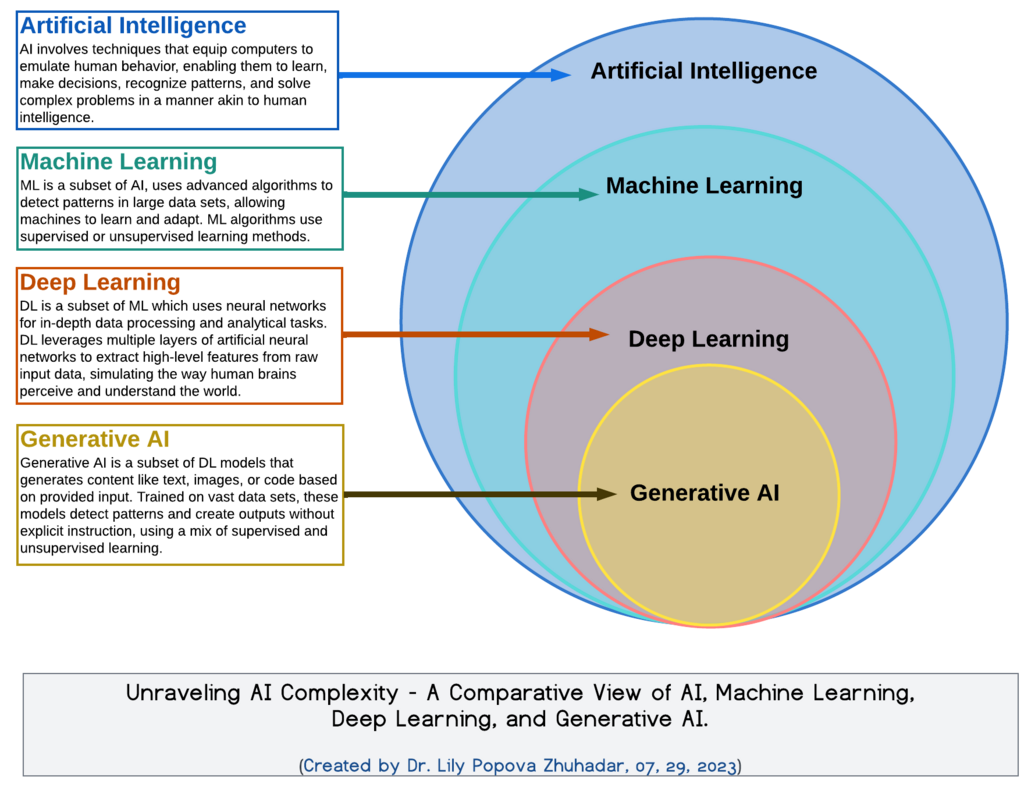
This capability to create is what sets it apart. It doesn't just categorize or predict; it produces something that didn't exist before. This places it within a larger family of AI technologies, each building upon the last.
What Should We Do Next?
That's the fundamental question that prescriptive analytics aims to answer. While other forms of analytics tell you what happened (descriptive) or what might happen (predictive), prescriptive analytics goes a step further. It recommends specific actions to achieve a desired outcome.
It works by analyzing data, considering various constraints, and running simulations to determine the best course of action. For example, in a mining operation, prescriptive analytics might suggest the optimal drilling sequence to maximize yield while minimizing equipment wear.
A Powerful Combination
So, what happens when you combine the creative power of Generative AI with the decision-making focus of prescriptive analytics? You get a system that doesn't just choose the best path from a known list of options—it can invent entirely new paths.
Generative AI can be used to create a wide range of potential scenarios or solutions that a traditional prescriptive model might not have considered. It can generate novel strategies, complex plans, or realistic simulations of potential outcomes. The prescriptive analytics component then evaluates these generated options to recommend the very best one.
This integration allows for more creative and robust decision-making, especially in complex and dynamic environments.
The Benefits
Integrating Generative AI into prescriptive analytics offers several key advantages for businesses.
| Benefit | Description |
|---|---|
| Innovative Solutions | Generates novel strategies that humans or traditional models might overlook. |
| Enhanced Simulations | Creates highly realistic and varied scenarios for testing potential decisions. |
| Greater Adaptability | Quickly produces new options in response to changing conditions or constraints. |
| Improved Problem Solving | Explores a much wider solution space for complex, multi-faceted problems. |
By leveraging these benefits, organizations can move from simply choosing the best available option to creating the best possible option, opening up new avenues for efficiency and innovation.
Ready to check your understanding?
What is the primary capability that distinguishes Generative AI from other forms of AI that mainly recognize patterns or make predictions?
While descriptive analytics explains what happened and predictive analytics forecasts what might happen, what does prescriptive analytics do?
This combination of creating new possibilities and then methodically choosing the best one is what makes this partnership so powerful.