Generative AI for Neuroscience
Generative AI in Neuroscience
The Brain's New Toolkit
Generative AI is doing more than writing poems and creating images. Scientists are now pointing these powerful tools inward, using them to decode the complexities of the human brain. This isn't just about processing data faster. It's about creating new ways to understand how we think, learn, and perceive the world.
Finding Signals in the Noise
Brain data is notoriously messy. Whether it's from an fMRI scanner tracking blood flow or an EEG cap measuring electrical waves, the raw signals are filled with noise and complexities that can hide important patterns. Generative models excel at navigating this chaos. They can learn the fundamental structure of neural activity and distinguish meaningful signals from random fluctuations.
Imagine trying to restore a faded photograph. A generative model can intelligently fill in the missing details because it has learned what faces are supposed to look like. In the same way, these models can clean up noisy brain scans or even generate realistic, synthetic neural data. This synthetic data is invaluable for testing hypotheses and training other AI systems without needing to run more costly and time-consuming experiments on human subjects.
Building Brains in a Computer
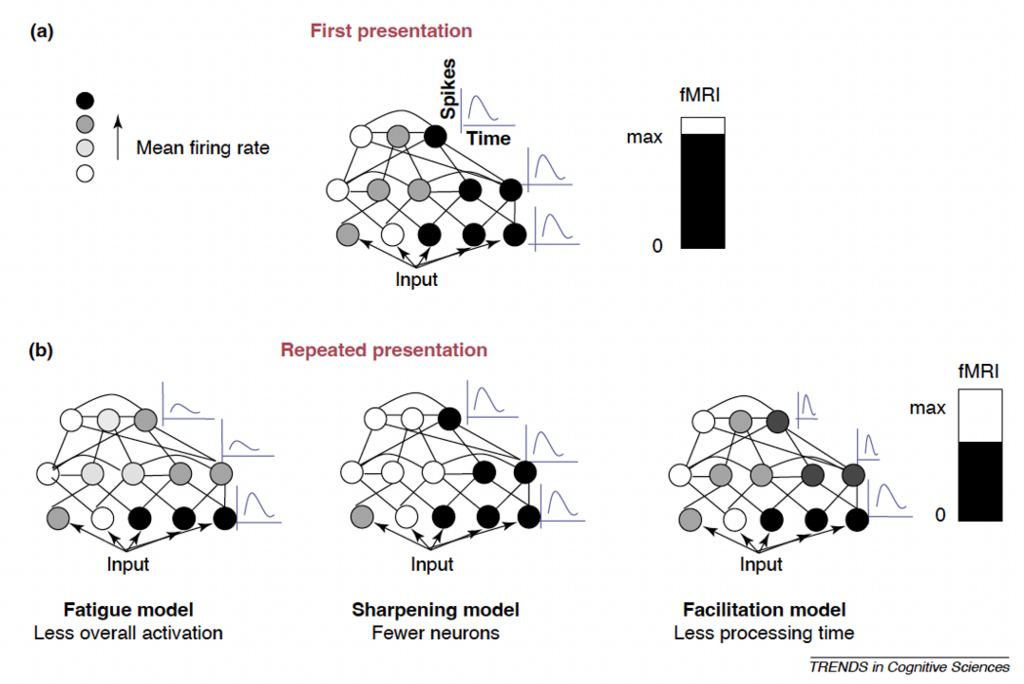
Beyond just analyzing data, generative AI allows researchers to build working simulations of brain circuits. These are not static diagrams but dynamic models that can mimic the firing of neurons and the flow of information. Scientists can use these in silico brains to run experiments that would be impossible in a living person.
What happens to a memory circuit if you reduce the activity of a specific neurotransmitter? How does a simulated neural network re-organize itself after a virtual injury? By creating generative models of cognitive functions like decision-making or language, we can develop and test theories about how these processes actually work. It’s like having a digital sandbox for neuroscience, where we can build, break, and repair virtual brains to learn more about our own.
Thinking into Action
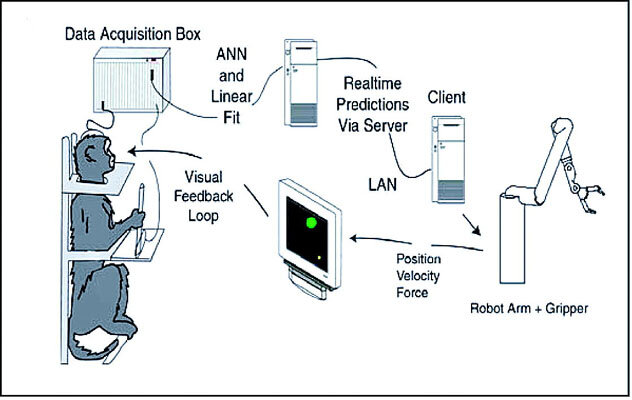
Brain-computer interfaces (BCIs) are devices that translate thought into action, allowing a person to control a computer or a prosthetic limb using only their brain signals. This technology holds incredible promise, but it faces a major hurdle: brain signals are variable and unique to each person. A BCI must learn to interpret its user's specific neural patterns for intending to move left, right, or grasp an object.
Generative AI is making BCIs smarter and more adaptive. Instead of relying on rigid, pre-programmed commands, a generative model can learn the nuances of a user's brain activity in real-time. It can anticipate the user's intent, filter out distracting neural noise, and translate thoughts into commands with greater speed and accuracy. This could lead to more intuitive prosthetic limbs and new ways for people with paralysis to communicate and interact with the world.
Looking further ahead, researchers are exploring neuro-symbolic AI. This approach combines the pattern-recognition strengths of neural networks with the logical reasoning of classical symbolic AI. The brain is a master of both: we recognize patterns effortlessly, but we also use logic and rules to make decisions.
Generative models can help bridge this gap. By learning from vast amounts of neural and behavioral data, they can help uncover the underlying rules the brain uses for reasoning. A neuro-symbolic system could learn not just what is happening in the brain during a task, but why, creating a more transparent and human-like form of artificial intelligence.
According to the text, why is generative AI particularly well-suited for analyzing raw data from sources like fMRI and EEG scans?
What is the main advantage of creating in silico (simulated) brains using generative AI?
The fusion of generative AI and neuroscience is still in its early days, but it's already providing powerful new methods for exploring the mind.