Generative AI for Filmmaking
Introduction to Generative AI
Creating Something from Nothing
Artificial intelligence is a broad field, but one area has recently captured everyone's attention: generative AI. Unlike other types of AI that recognize patterns or make predictions based on data, generative AI creates something entirely new.
Generative AI models learn the underlying patterns in a set of data and then use that knowledge to produce new, original content, like text, images, or music.
Think of it like a musician who listens to thousands of jazz songs. They don't just memorize the solos; they learn the rules, the rhythms, and the feel of jazz. Eventually, they can improvise a brand new solo that sounds completely authentic. Generative AI works in a similar way, but its 'listening' involves processing enormous amounts of digital information.
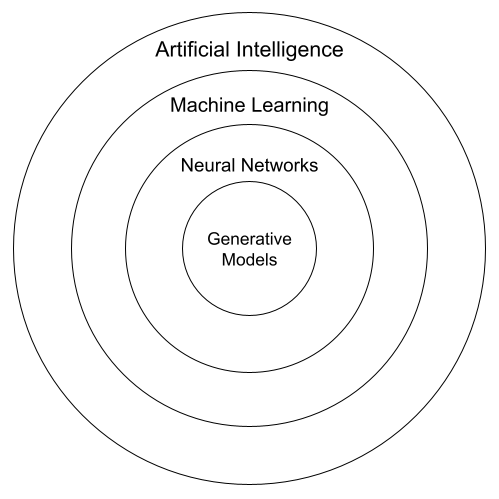
Generative AI is a specialized subset of machine learning and deep learning. While all AI involves machines performing tasks that typically require human intelligence, generative AI is specifically focused on the act of creation.
How Does It Learn to Create?
The core process behind generative AI involves two main stages: training and generation.
During training, the model is fed a vast dataset. For an image generator, this might be millions of pictures with descriptions. For a text generator, it could be the entire internet. The model sifts through this data, identifying connections, styles, and structures. It's not memorizing, but learning the statistical relationships between different elements, like which pixels often appear together or which words tend to follow others.
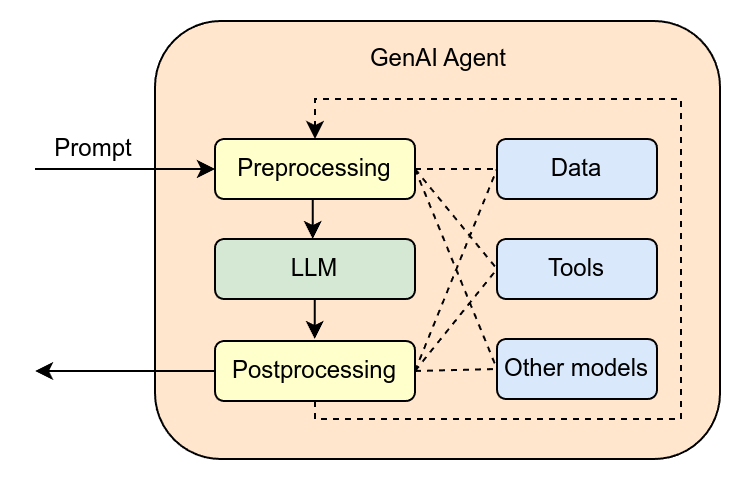
Once trained, the model is ready for the generation stage. When a user provides a prompt—a piece of text, an image, or another input—the AI uses its learned patterns to produce a new output. It predicts the most likely next piece of the puzzle, whether it's the next word in a sentence or the next pixel in an image, building up the final creation piece by piece.
Applications Across Industries
The ability to generate new content has unlocked applications in nearly every field. Marketers use it to create ad copy and social media posts. Software developers use it to write and debug code. Artists and musicians experiment with it as a new creative tool.
In video production, generative AI is particularly transformative. It can generate realistic background scenery, write scripts, create storyboards, and even produce synthetic voiceovers. This can dramatically speed up the production process and lower costs, allowing creators to bring more ambitious ideas to life. For example, a small studio could create an epic sci-fi scene without building expensive physical sets.
The Challenges Ahead
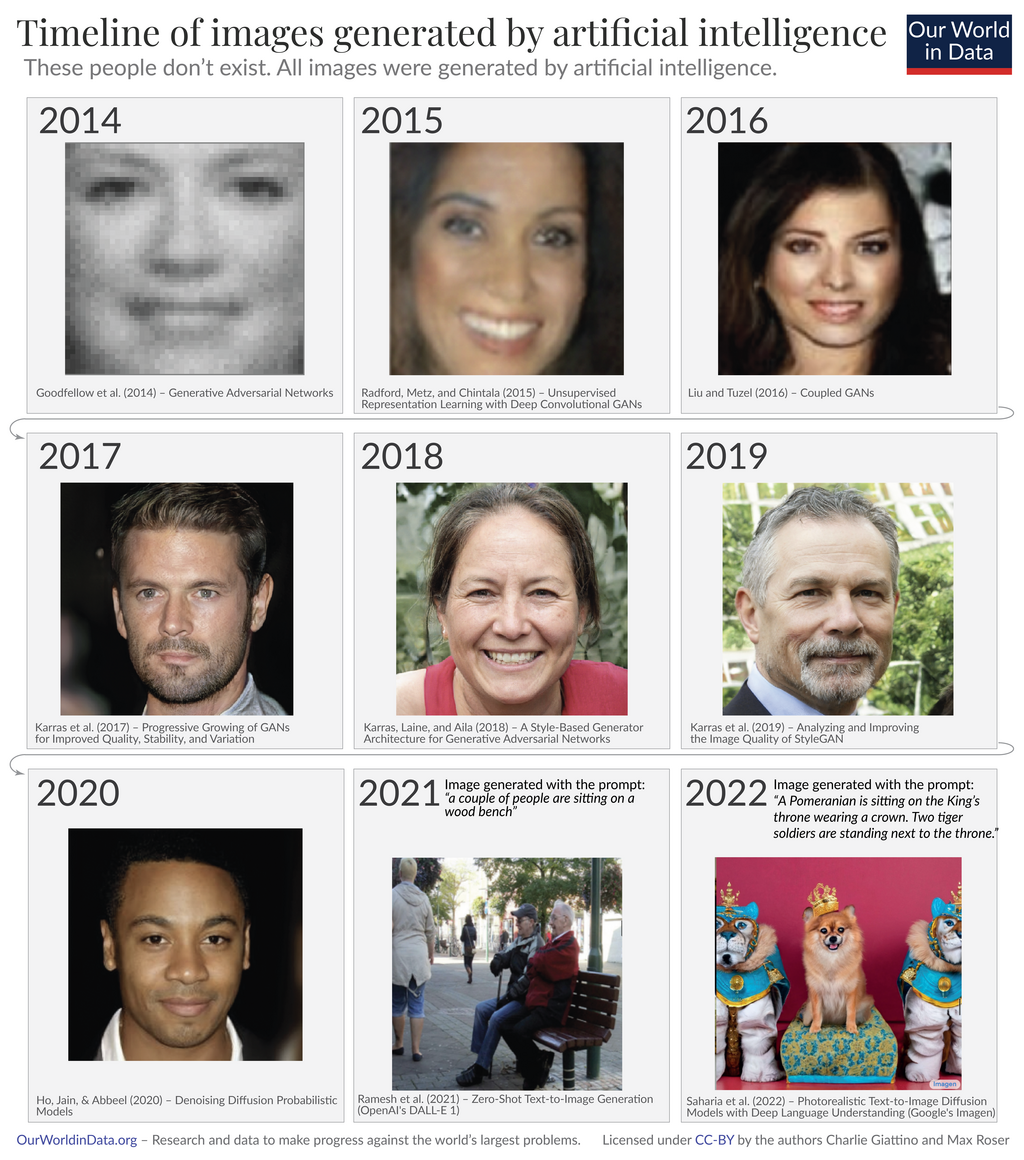
As with any powerful technology, generative AI comes with significant challenges and ethical questions. One major concern is authenticity. When AI can create realistic images and videos, how can we tell what's real and what's fake? This has serious implications for misinformation and fraud.
Copyright is another complex issue. If an AI is trained on millions of images created by human artists, who owns the new image it generates? The person who wrote the prompt, the company that built the AI, or the original artists whose work was used for training? These are open legal questions that society is still grappling with.
Finally, bias is a persistent problem. Because AI models learn from data created by humans, they can inherit and even amplify human biases related to race, gender, and culture. If a training dataset contains stereotypes, the AI's output will likely reflect them. Ensuring fairness and preventing harmful outputs is a critical area of ongoing research.
Navigating the ethical landscape of generative AI requires careful thought about transparency, accountability, and the impact on human creators.
Understanding these foundational concepts is the first step toward appreciating both the incredible potential and the serious responsibilities that come with generative AI.