Generative AI for Content Marketing
Introduction to Generative AI
What is Generative AI?
Artificial intelligence that simply analyzes or categorizes information is nothing new. For years, AI has been able to identify spam in your email or tag your friends in photos. Generative AI is different. Instead of just interpreting existing data, it creates something entirely new.
Generative AI refers to a type of artificial intelligence whose core function is to create new content—text, audio, images, video, or data—based on patterns it has learned from existing data.
Think of it like this. A traditional AI model might be like a student who can only answer multiple-choice questions. It can recognize the correct answer from a list of options. A generative AI model is like a student who can write an original essay from scratch. It synthesizes what it has learned to produce a unique piece of work.
How It Works
Generative AI models learn by being trained on enormous datasets. A text-generation model, for instance, might read a huge portion of the internet—articles, books, conversations—to learn the patterns of language, facts, and styles. It learns the statistical relationships between words and concepts. When you give it a prompt, it uses these learned patterns to predict the next most likely word, and then the next, and so on, stringing them together to create sentences and paragraphs that are coherent and contextually relevant.
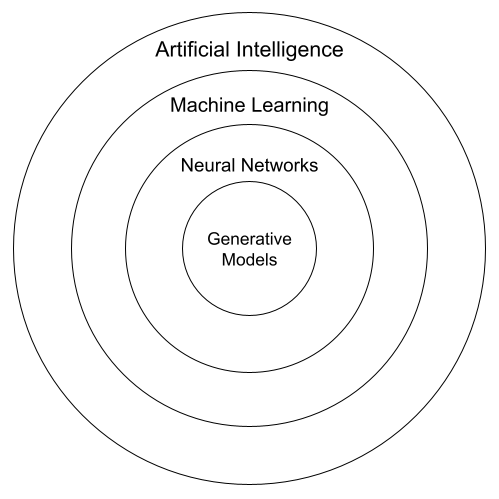
At its core, the process is about prediction. But when these predictions are chained together on a massive scale, the result feels less like math and more like creativity.
Types of Generative Models
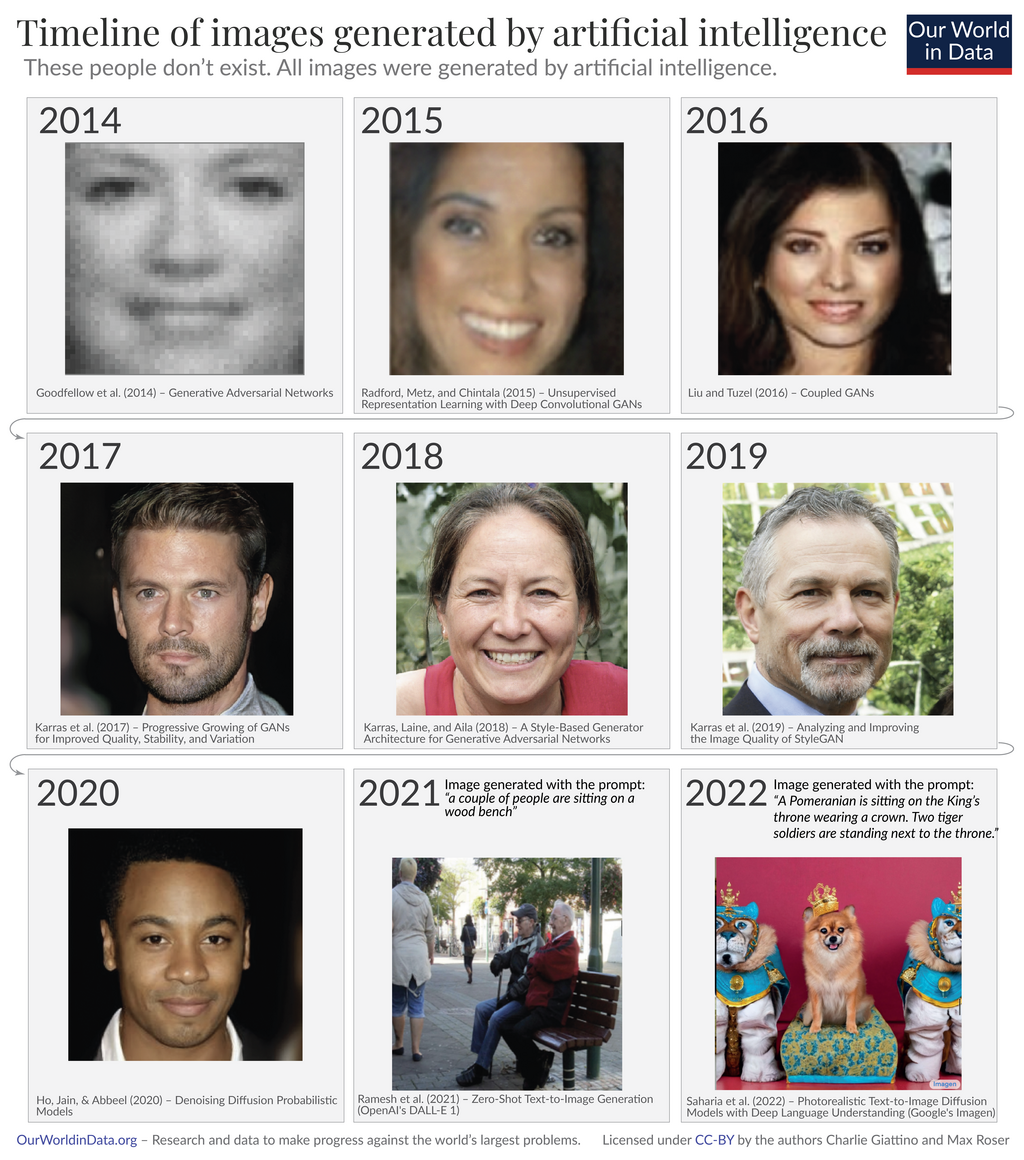
Generative AI isn't a single technology but a category of tools that create different kinds of content. For marketers, understanding the types of models available is key to seeing their potential.
| Model Type | Input | Output | Common Marketing Application |
|---|---|---|---|
| Text-to-Text | Text prompt | New text | Writing blog posts, ad copy, emails, social media captions |
| Text-to-Image | Text prompt | A new image | Creating custom visuals for campaigns, product mockups |
| Text-to-Video | Text prompt | A new video clip | Generating short promotional videos or social media stories |
| Text-to-Audio | Text prompt | Speech or music | Creating voiceovers for ads or background music for videos |
Each of these models opens up new avenues for creating marketing materials quickly and at scale. The ability to turn a simple line of text into a compelling image or a script for a video is fundamentally changing creative workflows.
Ethical Considerations
With great power comes the need for great responsibility. The use of generative AI in marketing is not without its challenges and ethical questions.
One major concern is content authenticity. Generative models can sometimes "hallucinate," or invent facts and sources that are plausible but untrue. This makes fact-checking and human oversight essential, especially when creating content that presents information as factual.
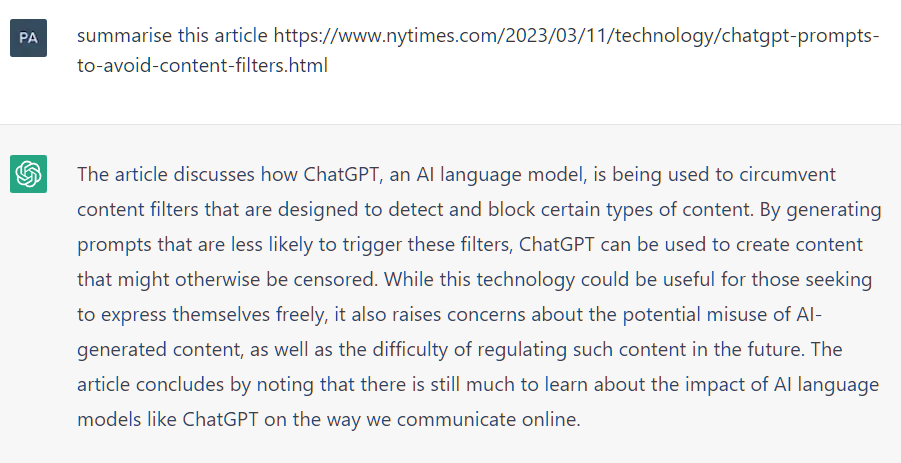
Another significant issue is intellectual property. AI models are trained on vast amounts of data, including copyrighted text and images from across the internet. This raises complex legal questions about who owns the AI-generated output and whether the training process infringes on the rights of original creators.
Finally, because these models learn from human-created data, they can inherit and even amplify existing biases. A model trained on biased data may generate content that reinforces harmful stereotypes. Marketers must be vigilant to ensure the content they create and promote is fair and inclusive.
Now, let's test your understanding of these core concepts.
What is the primary difference between generative AI and traditional AI?
At its core, how does a text-generation AI model create new sentences and paragraphs?
Navigating these challenges requires a thoughtful approach, combining the efficiency of AI with the critical thinking and ethical judgment of human professionals.