Generative AI Explained
Introduction to Generative AI
What Is Generative AI?
Artificial intelligence can be a bit like a detective. For years, its main job was to analyze clues, recognize patterns, and make predictions based on existing evidence. Think of an AI that identifies spam emails or recognizes faces in photos. It's looking at what's already there and sorting it.
Generative AI is different. It's not a detective; it's an artist, a writer, or a musician. Instead of just analyzing content, it creates entirely new things. It can write a poem, compose a song, or paint a picture that has never existed before. This type of AI learns the underlying patterns and structures from a massive amount of data and then uses that knowledge to generate fresh, original output.
Unlike Traditional AI, which focuses on recognizing patterns, Generative AI produces new content—be it images, text, music, or even synthetic data.
From Blurry Pixels to New Realities
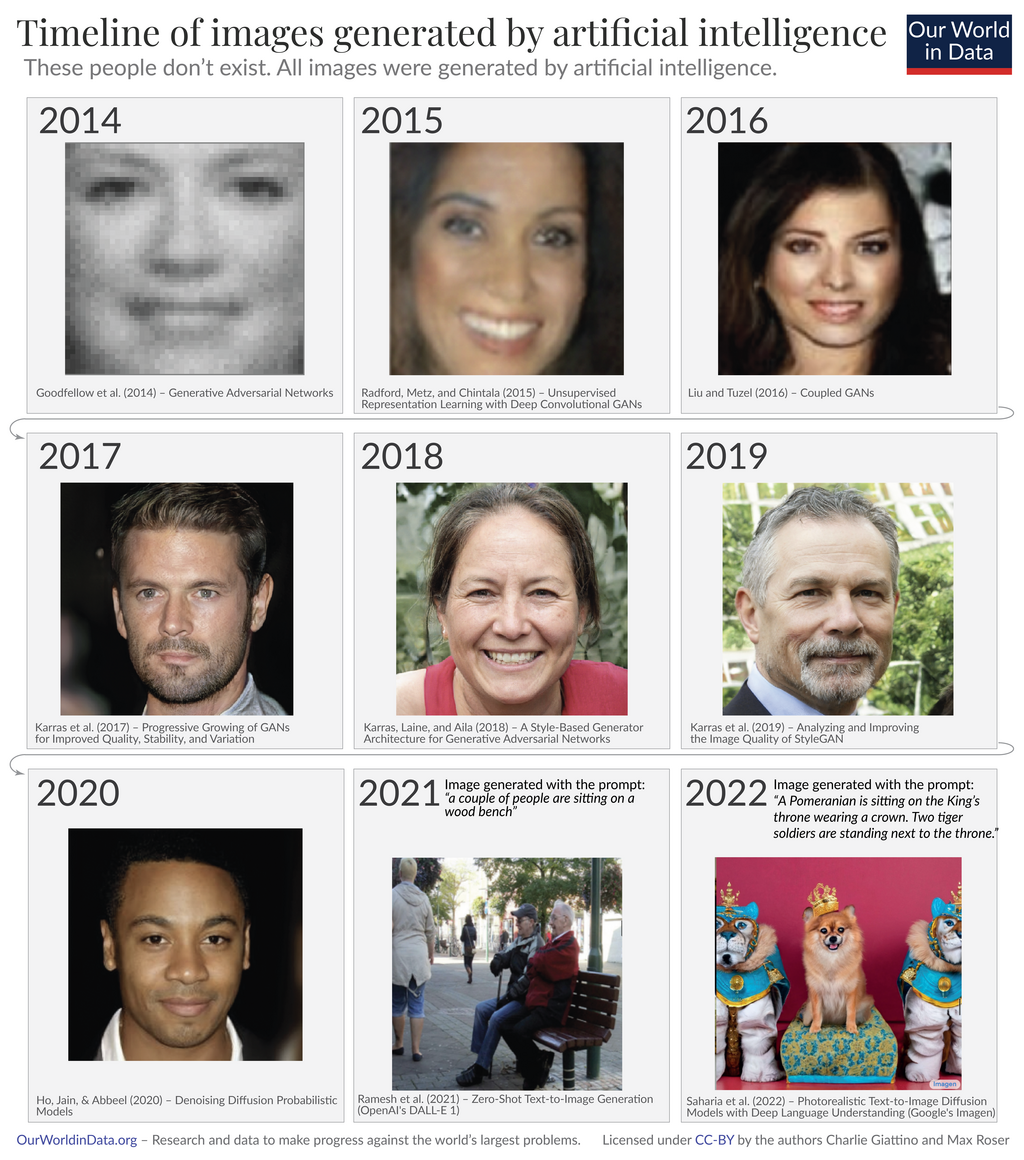
The idea of a machine that creates isn't new, but for a long time, the results were more curious than convincing. Early generative models from the mid-20th century could produce simple patterns or text, but they lacked sophistication. The journey from those early experiments to today's powerful tools was a slow burn, followed by a sudden explosion of progress.
Key breakthroughs, like the invention of Generative Adversarial Networks (GANs) in 2014 and the development of Transformer models a few years later, were game-changers. These technologies gave AI a much deeper understanding of context and detail, allowing for a dramatic leap in quality. What was once a blurry, black-and-white face in a research paper has become a richly detailed, photorealistic scene imagined from a simple text prompt.
The Critic vs. The Creator
The easiest way to understand Generative AI is to contrast it with what we might call traditional, or analytical, AI. Traditional AI is fundamentally a system of judgment. It’s trained to be a critic, making decisions about data it's given.
Is this email spam or not? Is this a picture of a cat or a dog? Is this credit card transaction fraudulent? The AI analyzes the input and provides a label or a classification. It discriminates between different possibilities based on its training.
Generative AI, on the other hand, is a creator. It doesn't just label things; it makes them. It starts with a prompt or an idea and builds something new from the patterns it has learned. It's the difference between identifying a Rembrandt and painting a new masterpiece in Rembrandt's style.
| Feature | Traditional AI (Analytical) | Generative AI (Creative) |
|---|---|---|
| Primary Goal | Analyze, classify, or predict from existing data. | Create new, original data. |
| Core Question | "What is this?" | "What could be?" |
| Example | A facial recognition system identifying a person. | An AI creating a realistic portrait of a person who doesn't exist. |
Now, let's check your understanding of these core concepts.
What is the primary difference between generative AI and traditional AI?
According to the text, traditional AI is like a _______, while generative AI is like a(n) _______.
In essence, while traditional AI helps us make sense of the world as it is, generative AI expands the world with new possibilities.