Generative AI Explained
Introduction to Generative AI
What Is Generative AI?
At its heart, Generative AI is a creator. Unlike other forms of artificial intelligence that might classify data or make predictions, generative models produce entirely new content. Think of it as the difference between a music critic and a composer. A critic analyzes and categorizes existing music, while a composer writes a brand new song.
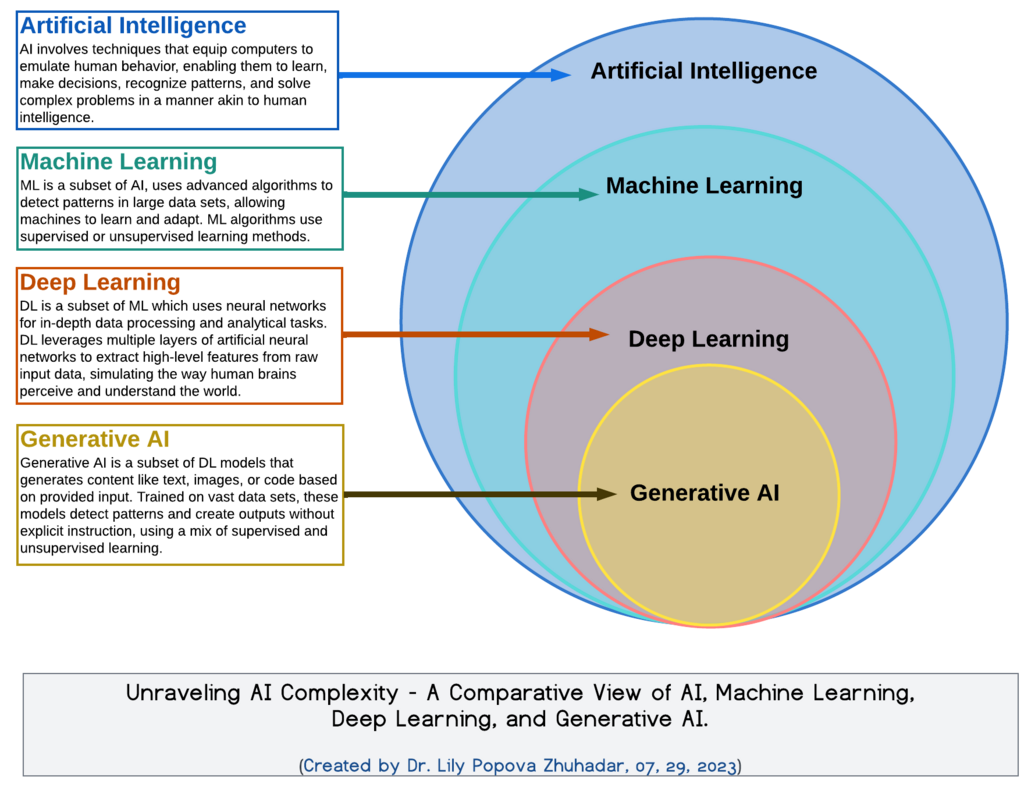
Generative AI refers to a type of artificial intelligence whose core function is to create new content—text, audio, images, video, or data—based on patterns it has learned from existing data.
This creator role is what sets it apart. An AI that identifies spam in your email is not generative; it's discriminative. It learns to distinguish between two categories: spam and not spam. A generative model, on the other hand, could write a new email from scratch. This ability to generate, rather than just analyze, opens up a world of possibilities.
A Quick Look Back
The idea of machines that can create isn't new, but for decades, it was mostly science fiction. Early AI focused on logic and rules, which worked well for games like chess but struggled with the nuance of creative tasks.
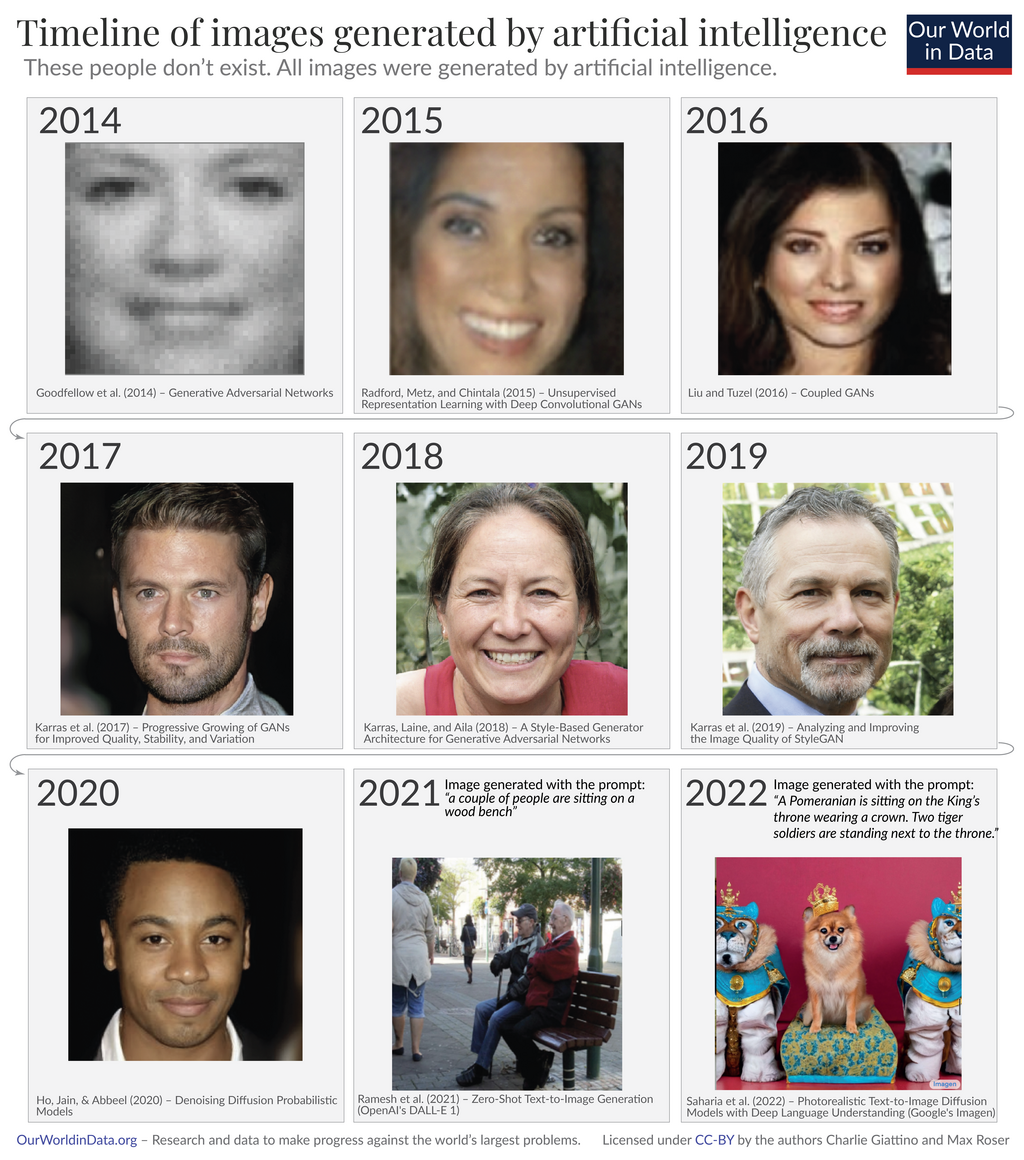
The game changed with the rise of neural networks, complex systems modeled loosely on the human brain. These networks could learn patterns from enormous datasets. As computing power grew and data became more available, these models evolved. Early generative models could produce blurry images or simple sentences. Today, they can create photorealistic art and write complex essays, showing an incredible leap in a relatively short time.
What Can It Do?
Generative AI is already being used in many fields. It's not just a laboratory experiment; it's a practical tool changing how people work and create.
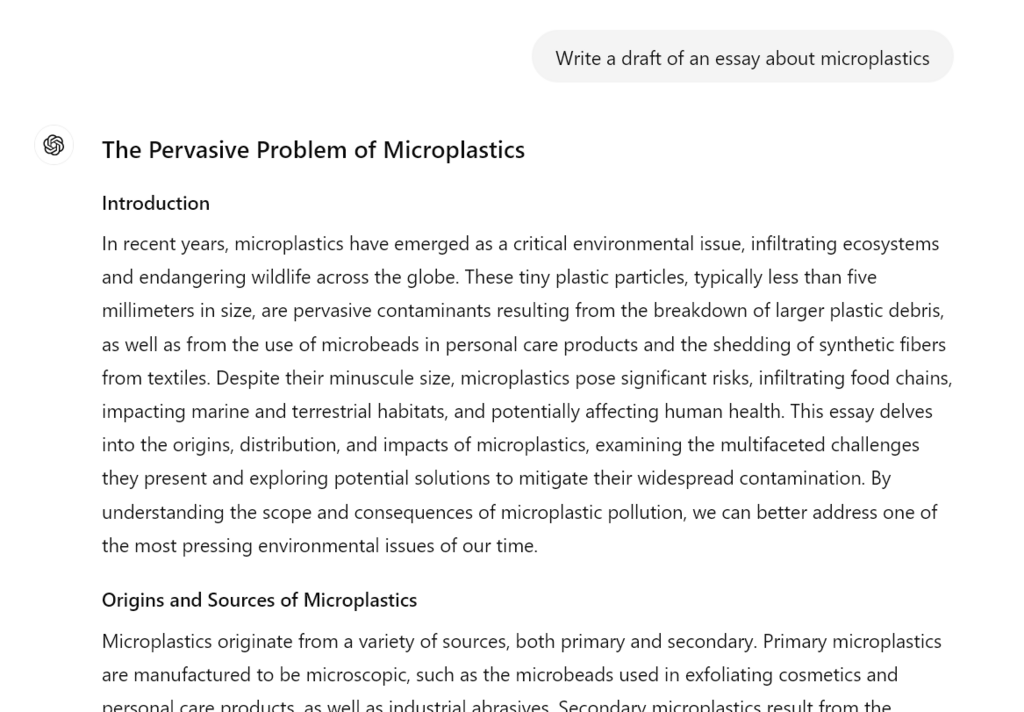
Writing and Communication: Models can draft emails, write articles, generate computer code, and even create poetry. They act as assistants, helping people brainstorm ideas and overcome writer's block.
Art and Design: Artists and designers use generative tools to create stunning images, logos, and illustrations from simple text descriptions. This allows for rapid prototyping and exploration of visual ideas.
Music and Audio: AI can compose original melodies, generate background music for videos, or create realistic sound effects.
Entertainment: In filmmaking and game development, generative AI helps create realistic virtual worlds, characters, and special effects, speeding up production.
How Does It Work?
So, how does a machine learn to be creative? It all starts with data, and lots of it. A generative model is 'trained' by being shown a massive library of examples. An image model might be fed millions of pictures, while a language model reads a huge portion of the internet.
During this training process, the model isn't memorizing the data. Instead, it's learning the underlying patterns, structures, and relationships. For language, this means learning grammar, facts, writing styles, and conversational flow. For images, it learns about objects, textures, colors, and how they fit together.
Once trained, the model is ready to generate. When you give it a prompt—like "write a poem about the ocean" or "create a picture of a cat in a spacesuit"—it uses its learned patterns to produce something new that fits your request. It's essentially making a highly educated guess about what pixels or words should come next to create a coherent output.
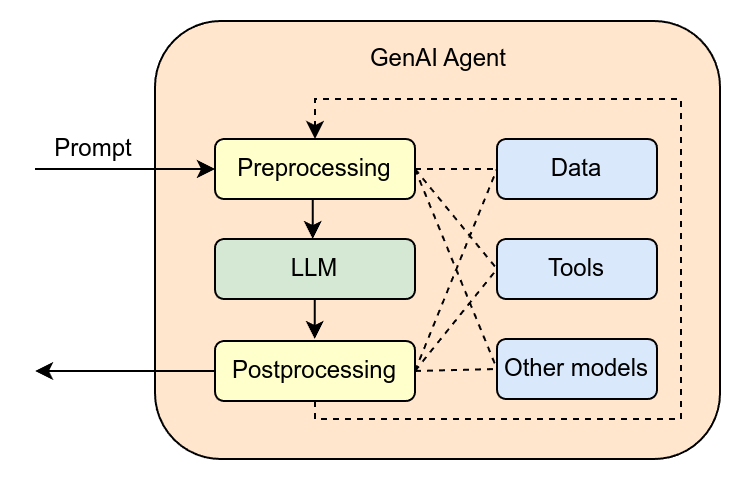
The core components of these systems usually include the input you provide (the prompt), the powerful pre-trained model itself (often called a Large Language Model or LLM for text), and the processing that turns your request into a final piece of content.
What is the primary function that distinguishes generative AI from other types of AI, such as discriminative models?
An email spam filter is a good example of generative AI in action.
Generative AI is a powerful technology defined by its ability to create. From its conceptual roots to its modern applications, it represents a significant step forward in what machines can do.