Generative AI and Model Checking in Multiagentic Systems
Introduction to Generative AI
What is Generative AI?
Most AI you might be familiar with is good at classifying things. Given a photo, it can tell you if it's a cat or a dog. This is called discriminative AI—it discriminates between different types of data.
Generative AI is different. Instead of just recognizing patterns, it learns them so deeply that it can create something entirely new. It doesn't just identify a cat; it can generate a picture of a cat that has never existed. It's the difference between an art critic who can identify a Rembrandt and an artist who can paint in the style of Rembrandt.
Generative AI refers to a type of artificial intelligence whose core function is to create new content—text, audio, images, video, or data—based on patterns it has learned from existing data.
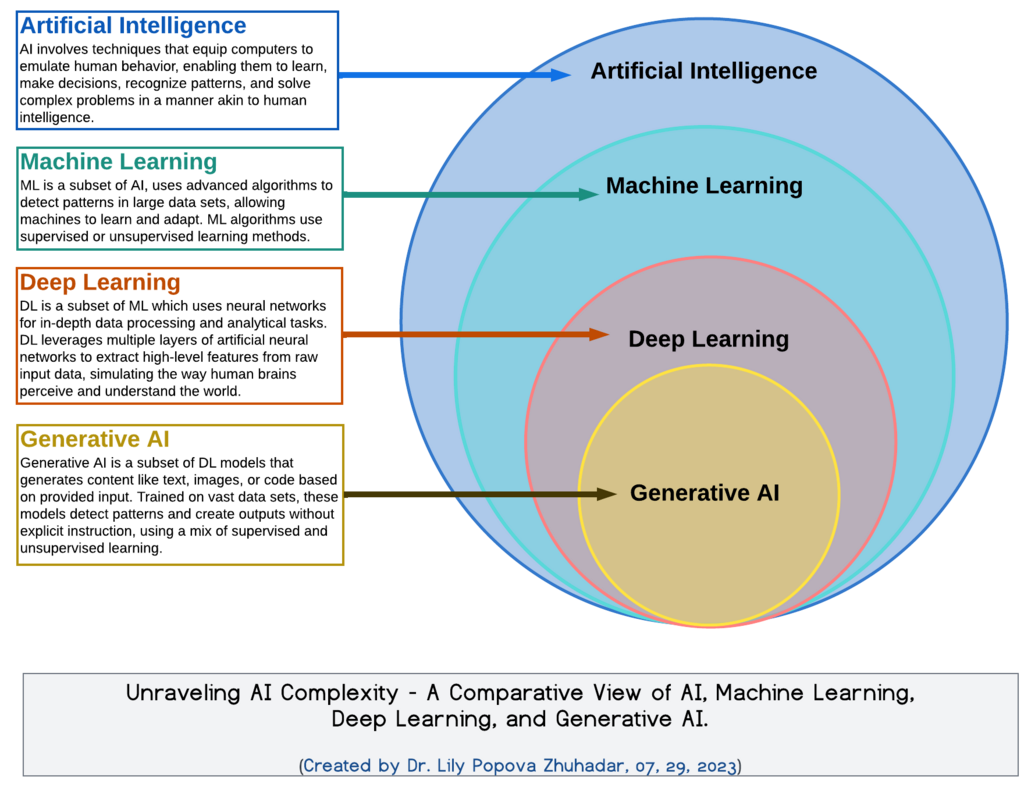
This ability to create is what makes this field so powerful. It's a subset of machine learning and deep learning, representing a significant step toward more creative and capable artificial intelligence.
A Brief History
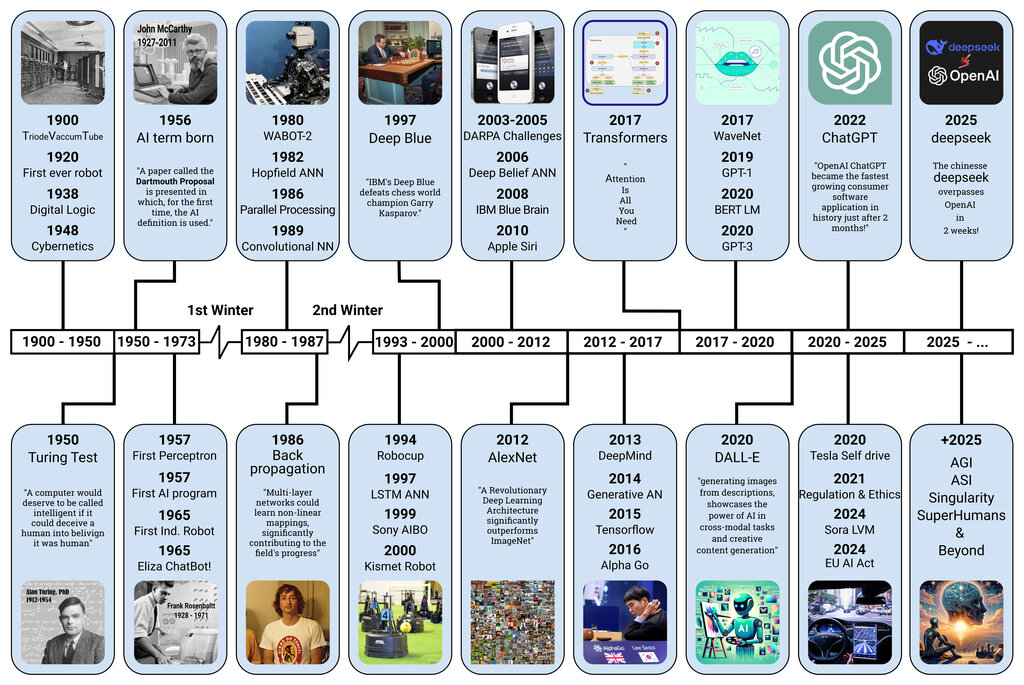
The ideas behind generative models have been around for decades, rooted in statistics and probability theory. Early models in the 1980s and 90s could create simple patterns, but they lacked realism and were computationally expensive. For a long time, generative AI was more of an academic curiosity than a practical tool.
The real breakthrough came in 2014 with the invention of Generative Adversarial Networks, or GANs. This new architecture, which we'll explore next, supercharged the field. It allowed models to produce much more realistic and complex outputs, from photorealistic faces to coherent paragraphs of text. This innovation, combined with massive increases in computing power and data, sparked the generative AI boom we see today.
The Forger and the Detective
So how do these models learn to create? One of the most influential methods is the Generative Adversarial Network (GAN). A GAN consists of two competing neural networks: a Generator and a Discriminator.
Think of it as a game between an art forger and an art detective.
- The Generator (The Forger): Its job is to create fake art. It starts by producing random noise and slowly learns to create images that look like the real thing.
- The Discriminator (The Detective): Its job is to tell the difference between real art and the forger's fakes. It's trained on a dataset of authentic pieces.
At first, the forger is terrible, and the detective easily spots the fakes. But every time the detective catches a fake, the forger learns from its mistake. It gets a little better. As the forger improves, the detective also has to get smarter to keep up. This back-and-forth competition pushes both networks to become incredibly sophisticated.
Eventually, the Generator becomes so good at creating fakes that the Discriminator can no longer tell the difference. At that point, the generated content is highly realistic.
Real-World Impact
Generative AI is no longer just a research topic; it's being used across many industries.
- Creative Arts: Artists use AI to generate images, music, and even screenplays. It acts as a collaborator, suggesting new ideas and styles.
- Science and Medicine: Researchers are using generative models to design new drugs and proteins, accelerating the discovery process.
- Engineering and Design: AI can generate and test thousands of design variations for everything from car parts to computer chips, finding optimal solutions that a human might miss.
- Software Development: It can write code, suggest bug fixes, and automate testing, freeing up developers to focus on more complex problems.
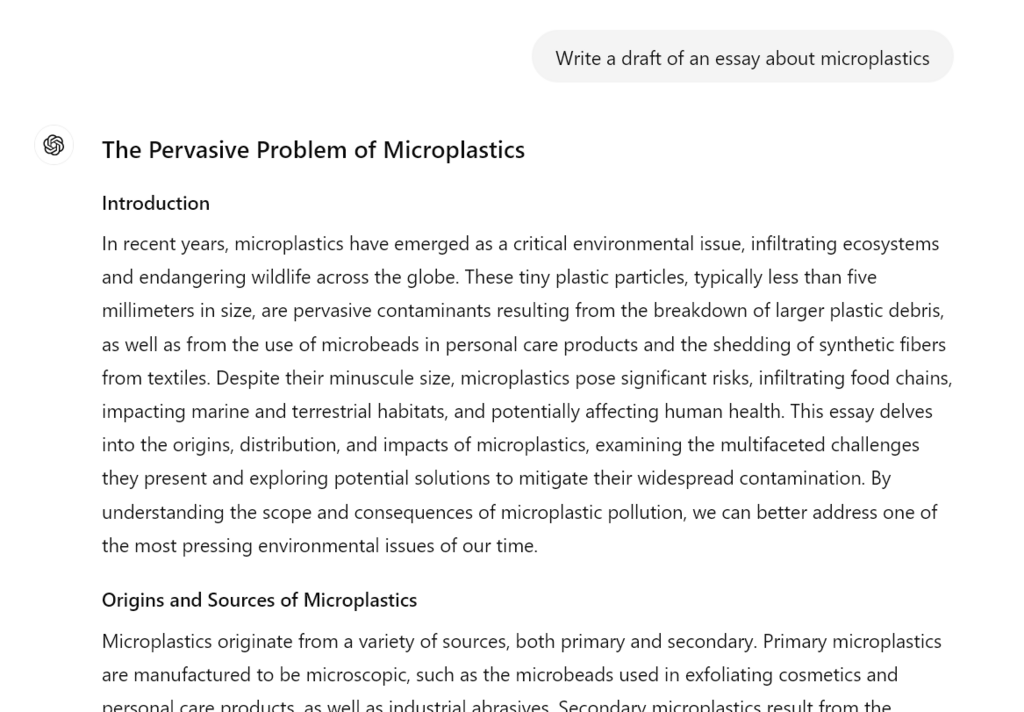
- Content Creation: Perhaps most visibly, it powers chatbots and writing assistants that can draft emails, summarize articles, and create marketing copy.
While powerful, this technology also raises important ethical questions. Issues of bias in training data can lead to unfair or stereotypical outputs. The potential for misinformation is high when AI can create convincing but fake images, videos (deepfakes), and news articles. There are also ongoing debates about copyright and ownership when a work is created by an AI.
As we use these tools more, it's crucial to think critically about their limitations and develop guidelines for their responsible use.
Ready to check your understanding?
What is the primary difference between discriminative AI and generative AI?
In the context of a Generative Adversarial Network (GAN), the Generator is like an art forger and the Discriminator is like an art detective.
Generative AI is a transformative technology that shifts AI from a tool of analysis to a tool of creation. By understanding its core concepts, you're better equipped to see both its amazing potential and its complex challenges.