Generating Chinese Courses
Understanding Learner Needs
Who Are You Teaching?
Before you design a lesson, plan an activity, or even choose a textbook, you have to answer one fundamental question: who is this for? Creating a Chinese course without knowing your students is like packing a suitcase for a mystery trip. You might pack ski gear for a beach vacation. A one-size-fits-all approach rarely fits anyone well, especially with a language as rich and nuanced as Chinese.
Your first step is to define your target audience. Are you teaching absolute beginners who can't tell the difference between 你好 and a random scribble? Or are they business professionals who need to negotiate deals in Shanghai? Perhaps they're university students cramming for an exam, or heritage speakers who grew up hearing Mandarin at home but never learned to read or write it. Each group has vastly different needs.
You should understand the needs, preferences, and pain points of your target audience – both students and parents.
A teenager learning for fun will want engaging, pop-culture-filled lessons. An executive, on the other hand, needs practical, industry-specific vocabulary and cultural etiquette for meetings. Understanding these distinctions is the foundation of an effective course.
Gauging the Starting Line
Once you know who you're teaching, you need to figure out what they already know. A learner's proficiency level is their starting point. But terms like "beginner" or "intermediate" can be vague. One person's "beginner" might mean they know zero characters, while another might have completed a semester in college and just feels rusty.
Assessing proficiency doesn't have to be a formal, high-stakes exam. It can be a simple, low-pressure process. The goal is just to get a clear picture of their current abilities.
Consider using a short online survey with self-assessment questions like, "How confident are you introducing yourself in Chinese?" or "Can you recognize any of these 10 common characters?" For a more direct approach, a brief, informal chat can reveal a lot about their conversational skills and comfort level.
Discovering the 'Why'
Equally important as a learner's starting point is their destination. Why do they want to learn Chinese? Their motivation is the engine that will power them through the challenges of learning tones, characters, and grammar. Understanding their goals allows you to tailor the content to be relevant and inspiring.
Common motivations include:
- Travel: They want to navigate cities, order food, and chat with locals.
- Business: They need to communicate with colleagues, clients, or partners.
- Family: They wish to connect with relatives and understand their heritage.
- Culture: They're fascinated by Chinese film, music, history, or literature.
- Academic: They need to fulfill a language requirement or pass an exam.
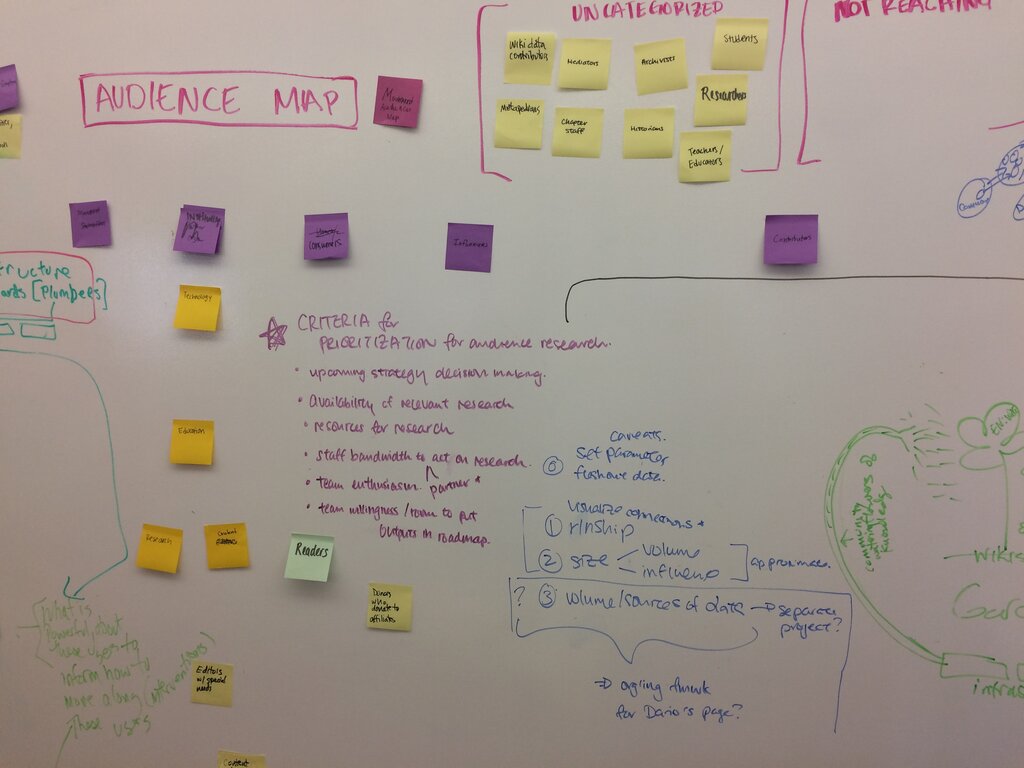
A simple way to gather this information is by asking directly. You can use surveys or conduct short, friendly interviews. Asking open-ended questions helps you uncover the real story behind their desire to learn.
| Question Type | Example Question |
|---|---|
| Background | "Have you ever studied a foreign language before?" |
| Motivation | "What’s the main reason you want to learn Chinese?" |
| Goals | "What is one thing you hope to be able to do in Chinese in the next three months?" |
| Preferences | "Do you prefer learning through games, conversations, or reading?" |
This isn't just data collection. It's about building a connection and showing your students that you see them as individuals. When you understand their proficiency, motivations, and goals, you can design a learning path that feels like it was made just for them. This personalized approach not only accelerates learning but also makes the entire process more enjoyable and meaningful.