General Veterinary Pathophysiology
Introduction to Veterinary Pathophysiology
The Story of Sickness
When an animal gets sick, a veterinarian's job is to figure out what’s wrong and how to help. But what does “wrong” actually mean inside the body? This is the central question of pathophysiology. It's the study of how diseases disrupt the normal, healthy functions of an animal's body.
Pathophysiology
noun
The study of the disordered physiological processes associated with disease or injury.
Think of it as the story of a disease. It doesn’t just focus on the cause, like a virus or a toxin. It explains the entire chain of events that follows: how that cause triggers changes in cells, how those cells affect tissues and organs, and how those organ changes create the symptoms we see, like a fever, a limp, or loss of appetite. It connects the microscopic cause to the visible effect.
From Clues to Cures
So why is this so important? Because understanding how a disease works is the key to figuring out how to stop it. Symptoms are just clues. A cough, for example, tells you something is wrong with the respiratory system, but it doesn't tell you what. Is it an infection? An allergy? A problem with the heart putting pressure on the lungs?
Pathophysiology provides the framework to interpret these clues. It’s like being a mechanic for the body. A good mechanic doesn’t just replace parts randomly when a car makes a strange noise. They understand how the engine, transmission, and electrical systems are all supposed to work together. This knowledge allows them to diagnose the root problem and fix it effectively. In the same way, a vet uses their knowledge of pathophysiology to move beyond the symptoms and target the underlying disease process.
By understanding the mechanism of a disease, veterinarians can choose treatments that don't just mask symptoms, but actually intervene in the disease process itself.
The Body Fights Back
The body is never a passive victim in the disease process. It has a remarkable set of systems designed to defend itself, contain damage, and heal. A huge part of pathophysiology is studying these responses, because they are often responsible for the symptoms we see.
Let's look at a few universal responses.
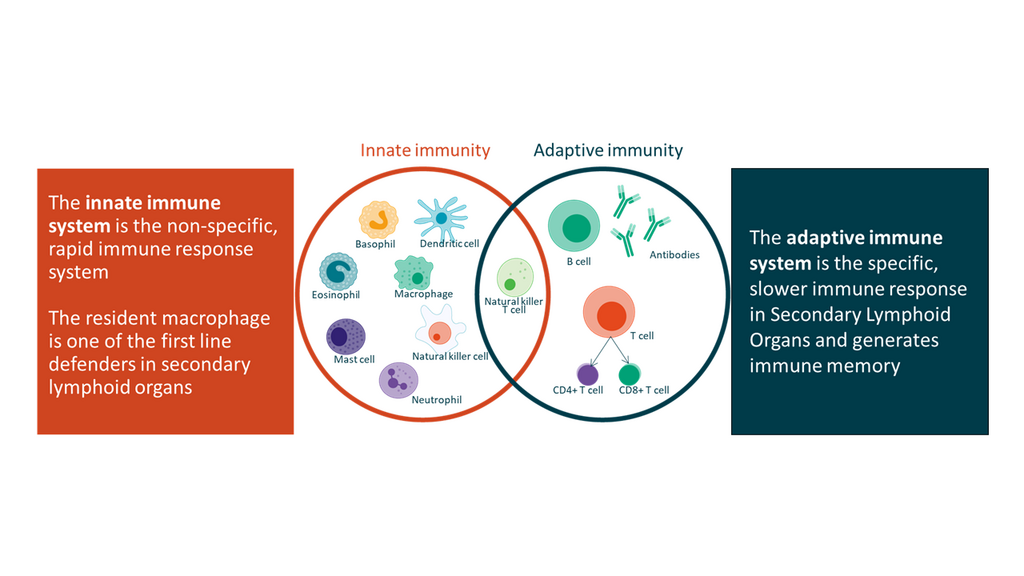
Inflammation is one of the most fundamental responses. If you've ever seen a cut get red, warm, and swollen, you've seen inflammation in action. This isn't a sign that things are getting worse; it's the body's first responders arriving on the scene. Blood flow increases to the area, bringing immune cells to fight off any invading germs and clear away damaged tissue. While it can be painful, inflammation is a critical, protective first step toward healing.
The Immune System provides a more targeted defense. It can distinguish the body's own cells from foreign invaders like bacteria and viruses. When it identifies an enemy, it launches a coordinated attack to neutralize the threat. Afterward, it often creates a "memory" of the invader, allowing it to respond much more quickly if the same pathogen ever returns.
Stress Responses also play a key role. When the body is under attack from disease, the nervous and endocrine (hormone) systems work together to manage the crisis. They can increase heart rate and blood pressure to deliver resources more quickly, and release energy stores to fuel the fight. These changes are designed to be temporary measures to help the animal survive the immediate threat.
Studying pathophysiology is about understanding all these interconnected stories: the story of the disease, and the story of the body's heroic efforts to fight back.