General Ledger Coding Explained
Introduction to General Ledger
The Book of Business
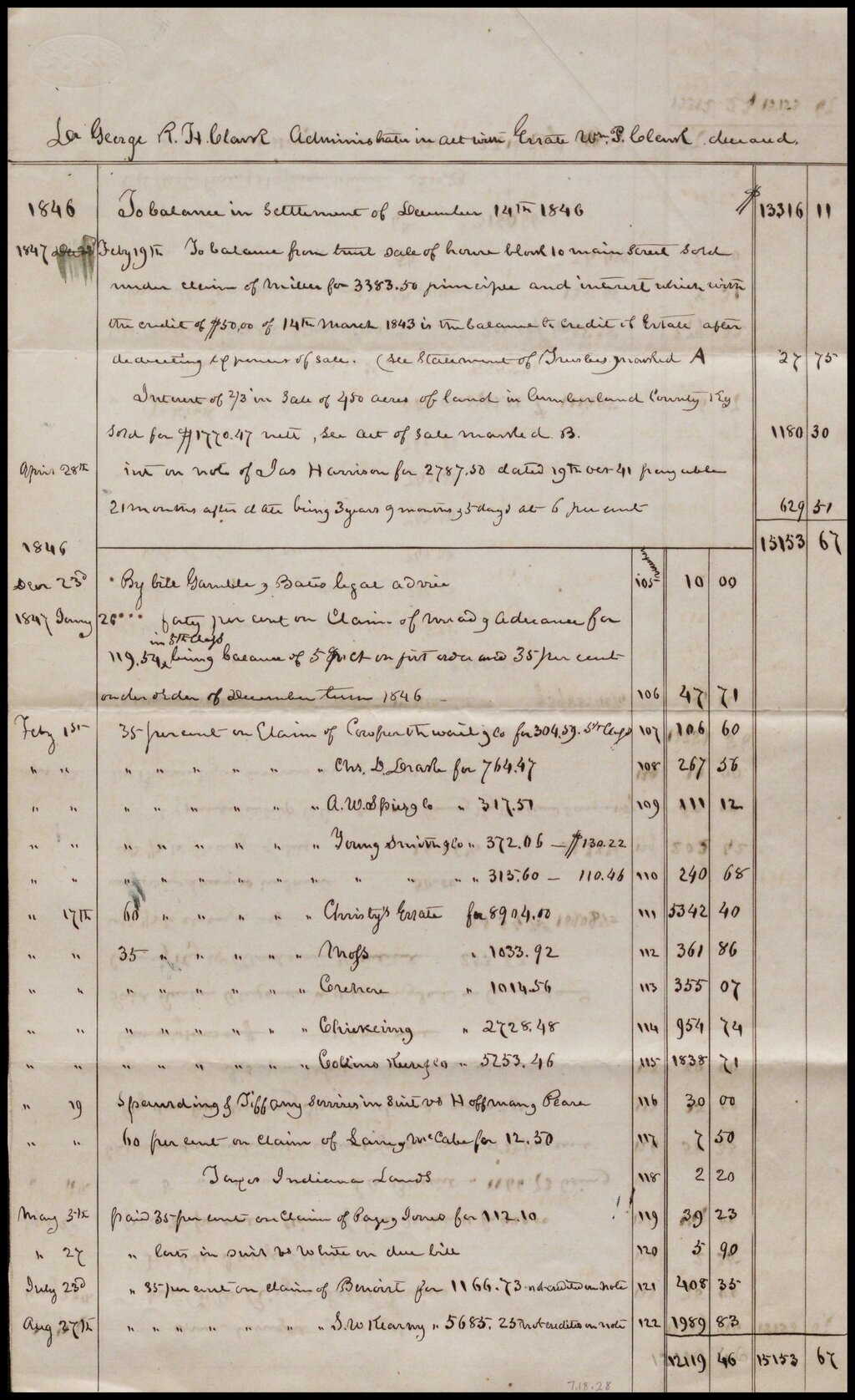
Every business, from a corner coffee shop to a multinational corporation, has a financial story. The General Ledger (GL) is where that story is written. Think of it as the ultimate book of accounts, a central repository that tracks every single financial transaction a company makes.
The general ledger is the backbone of your integrated accounting system.
In the past, the General Ledger was a literal, physical book with pages dedicated to different accounts. Today, it's almost always sophisticated software, but the principle remains the same. It's the master record that collects and organizes financial data from all other accounting records, like sales and purchasing journals. This organization is crucial for understanding a company's financial health.
The Five Core Accounts
The General Ledger organizes transactions into different accounts. These accounts are like folders in a filing cabinet, each holding a specific type of financial information. Every transaction fits into one of five main categories.
| Account Type | What It Represents |
|---|---|
| Assets | What the company owns (cash, equipment, inventory). |
| Liabilities | What the company owes to others (loans, supplier bills). |
| Equity | The owner's stake in the company (Assets - Liabilities). |
| Revenues | Money the company earns from sales of goods or services. |
| Expenses | Costs incurred to run the business (salaries, rent, utilities). |
Each of these main accounts is broken down into more specific sub-accounts. For example, the 'Assets' category might have sub-accounts for 'Cash in Bank', 'Office Furniture', and 'Company Vehicles'. This detailed structure allows a business to see exactly where its money is coming from and where it's going.
Keeping the Books Balanced
The single most important concept for the General Ledger is that it must always be in balance. This is based on the fundamental accounting equation, which we've discussed before. It's the simple but powerful idea that a company's assets are funded by either liabilities or equity.
This equation isn't just a theory; it's a rule that governs every transaction recorded in the GL. Every entry has two sides, a debit and a credit, and the total debits must always equal the total credits. This is known as double-entry bookkeeping.
If the ledger doesn't balance, it's a red flag that an error has been made. Finding and correcting these errors is a key part of an accountant's job, ensuring the financial data is accurate and reliable.
A balanced ledger is the foundation of trustworthy financial reporting. Without it, financial statements would be meaningless.
The ultimate purpose of the GL is to produce financial reports. By summarizing the data from all the individual accounts, a business can create critical documents like the balance sheet and the income statement. These reports are used by managers to make decisions, by investors to assess performance, and by banks to evaluate creditworthiness. The General Ledger is the single source of truth that makes all of this possible.
Let's check your understanding of these core concepts.
What is the primary function of a General Ledger (GL)?
The General Ledger must always be in balance, a principle based on the fundamental accounting equation. Which of the following correctly represents this equation?
By serving as the central record-keeping system, the General Ledger provides the structure and data necessary for a clear and accurate picture of a company's financial standing.