Gendered Marketing and Delayed Innovation
Introduction to Gender Bias in Innovation
When Good Ideas Get Stuck
Innovation often feels like a lightning strike. A brilliant idea appears, a new technology is born, and the world changes. But progress isn't just about sudden flashes of genius. It's also about the environment where ideas take root. Sometimes, that environment is less of a fertile garden and more of a locked room.
One of the most powerful, and often invisible, forces shaping innovation is our set of shared beliefs about gender. These beliefs can dictate who is encouraged to invent, what problems are seen as important, and which solutions are taken seriously. Understanding this connection is the first step to seeing why some practical, world-changing inventions were delayed for decades, or even centuries.
Innovation
noun
The process of creating and implementing a new idea, product, or method that adds value.
The Unseen Blueprint
Every society operates on a set of unwritten rules called social norms. They're the shared expectations that guide our behavior, from how we greet each other to the careers we pursue. We learn them so early that they often feel like simple facts about the world.
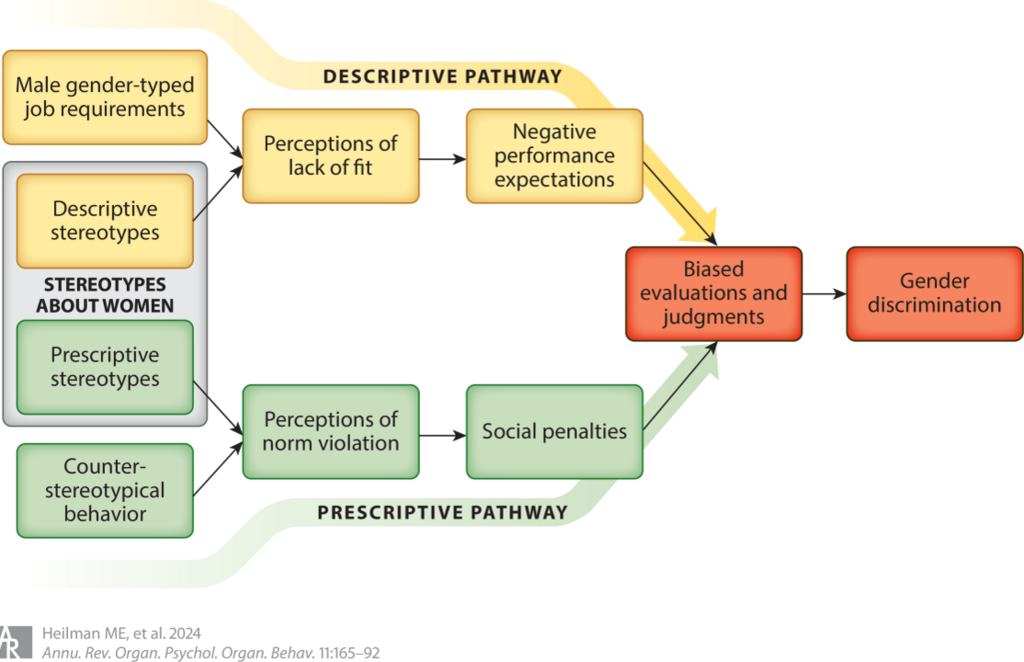
Among the most ingrained of these are gender norms. These are the societal expectations for how people should think, feel, and behave based on their gender. Historically, in many cultures, these norms created a sharp divide. Men were expected to be public figures: leaders, builders, and inventors. Women were expected to manage the private, domestic sphere.
These roles weren't just suggestions. They defined what was considered possible and appropriate, creating powerful, invisible barriers.
This division leads directly to gender bias. It’s the tendency to prefer one gender over another, and it’s not just about individual prejudice. Gender bias becomes embedded in systems and institutions. It influences who gets funding for a new venture, who is hired for a technical role, and whose ideas are even heard in the first place.
Connecting Norms to Progress
So how does a social norm stop a good idea? It happens in two main ways.
First, it limits the pool of innovators. If society discourages half its population from pursuing science, engineering, or entrepreneurship, we lose out on their creativity, insights, and solutions. The world is left with a smaller, less diverse set of problem-solvers.
Second, it devalues certain problems. When the world of innovation was almost exclusively male, problems primarily faced by women were often ignored or dismissed as trivial. Needs related to domestic labor, childcare, and women's health were not seen as worthy subjects for serious invention.
There has been a long history of women innovators producing outstanding contributions to society and public benefit yet having their work passed over or sidelined or attributed to male colleagues.
This created huge blind spots. Practical inventions that could have saved time, improved health, and boosted economies were left undeveloped simply because the people in a position to create them didn't experience the problems they solved. Throughout this course, we'll uncover specific examples of these delayed innovations and explore the lasting impact of these historical biases.
What is the best definition of 'gender norms' as described in the provided text?
According to the text, what are the two main ways gender bias hinders innovation?