Gender Equality in Rwanda
Historical Context
A Patriarchal Foundation
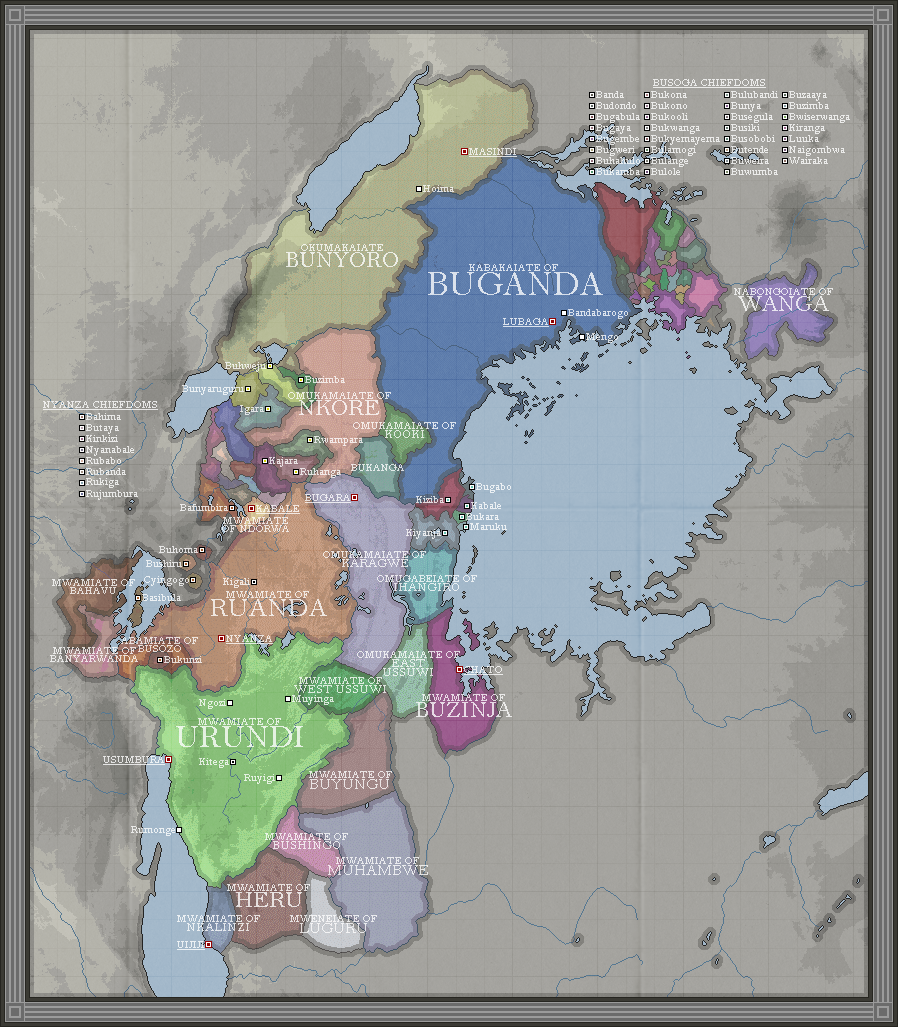
Before European contact, Rwandan society was organized around a strong patriarchal system. Power and lineage were passed down through men. They were the leaders, the warriors, and the owners of land, which was the primary source of wealth and status.
Women's lives were centered on the home and agriculture. While they held significant influence within their families and were respected as mothers and cultivators, their direct role in public decision-making was limited. A woman's identity was largely tied to her father, husband, or son. This structure, common in many agrarian societies, defined the roles and expectations for generations.
The Colonial Shift
When German and later Belgian colonial rulers arrived, they imposed their own European values and administrative systems onto Rwandan society. This process didn't dismantle the existing patriarchy; it reinforced it.
The colonizers introduced formal education and a cash-based economy, but access was overwhelmingly granted to men. Boys were sent to mission schools and men were selected for jobs in the colonial administration and newly established industries. Laws based on European models further restricted women's property rights and economic independence.
This shift effectively pushed women further out of the public sphere. While men were integrated into the new colonial economy and power structure, women's roles were increasingly confined to the domestic and agricultural sectors, deepening gender disparities.
Aftermath of Genocide
The 1994 Genocide against the Tutsi was a catastrophic event that irrevocably altered Rwandan society. In just 100 days, up to a million people were killed. The aftermath left a nation in ruins and created a dramatic demographic imbalance.
Suddenly, women made up an estimated 60 to 70 percent of the surviving population. Many were widows, solely responsible for their children and often for orphans as well. The traditional social fabric was destroyed.

This grim reality forced a radical change in gender roles. Out of sheer necessity, women stepped into positions previously dominated by men. They became heads of households, community organizers, and laborers, tasked with the immense challenge of rebuilding their families and their nation from the ground up.
They cleared fields, repaired homes, and sought justice for their lost loved ones. This tragic period marked a turning point, creating a new context where women's participation in all aspects of society was not just a possibility, but a necessity for Rwanda's survival and recovery.
Let's check your understanding of these historical shifts.
In pre-colonial Rwandan society, what was the primary basis for wealth and social status?
True or False: The arrival of European colonial rulers dismantled Rwanda's existing patriarchal system.
Understanding this history is key to seeing how Rwanda's approach to gender equality evolved in the years that followed.