Gender Equality and Equity in Practice
Equality vs Equity Context
Goal vs. Process
In the Philippines, the conversation around gender moves beyond simple definitions. The Philippine Commission on Women (PCW) frames gender equality not just as a concept, but as an ultimate goal. It's the state where rights, responsibilities, and opportunities are not dependent on the sex a person was born with. Gender equity, on the other hand, is the process to get there. It’s the principle of fairness, recognizing that different people have different needs and face different historical disadvantages.
Think of it this way: Equality is the finish line where everyone stands together. Equity is giving runners different starting blocks to make the race fair from the beginning.
Substantive Equality in Law
The legal foundation for this approach is Republic Act 9710, better known as the . This law is crucial because it codifies the concept of 'substantive equality.' It rejects the idea that simply treating men and women identically under the law—known as formal equality—is enough. If one group starts with significant disadvantages due to historical and social factors, identical treatment can actually perpetuate inequality.
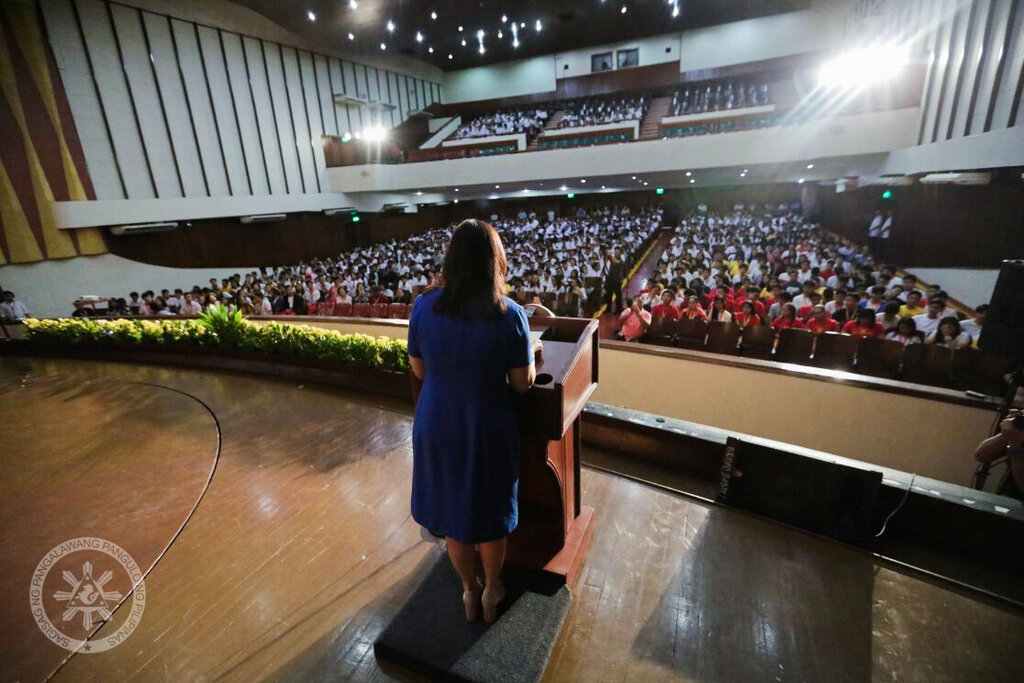
Substantive equality demands we look at the actual results and outcomes. This aligns with Conflict Theory, which highlights the inherent power imbalances in society. To achieve a functional and stable society—a goal suggested by Functionalism—these systemic disadvantages must be actively addressed. The Magna Carta of Women provides the legal muscle to do exactly that, recognizing that fairness requires more than just a neutral stance.
Equity in Action
So how does the Philippines implement equity? The primary tool is the use of (TSMs). These are targeted policies and actions designed to accelerate the achievement of substantive equality. They are not meant to be permanent fixtures, but rather corrective actions to level the playing field. Once the disparities are eliminated, the measures are no longer necessary.
| Concept | Approach | Example |
|---|---|---|
| Formal Equality | Treats everyone the same, regardless of their starting point. | A company offers all employees a standard ladder to climb to a high shelf. |
| Substantive Equality (Equity) | Acknowledges different starting points and provides tailored support. | The company gives shorter employees a taller ladder to ensure everyone can reach the shelf. |
A clear example of a TSM in the Philippines is the goal of achieving a 50-50 gender balance in . This policy recognizes that without a deliberate push, historical patterns that favor men in leadership roles will likely continue. By setting a specific target, the government actively works to correct this imbalance, ensuring women have a fair shot at occupying these influential roles.
By applying these equity-focused measures, the Philippines is not just hoping for equality, but actively building the path toward it. The process of equity is the engine driving the nation toward the destination of true, substantive equality for all.
Let's check your understanding of these critical distinctions.
According to the Philippine Commission on Women (PCW), what is the relationship between gender equality and gender equity?
Republic Act 9710, or the Magna Carta of Women, codifies the concept of 'substantive equality'. How does this differ from 'formal equality'?
Understanding the difference between the goal and the process is key to analyzing gender-related policies in the Philippines.