GenAI Foundational Model Infrastructure
Introduction to Generative AI
Creating Something New
For decades, artificial intelligence was mostly about understanding and categorizing information that already existed. It could identify a cat in a photo, translate text from one language to another, or spot a fraudulent transaction. This is incredibly useful, but it's fundamentally about analysis.
Generative AI is different. It doesn't just analyze; it creates. This type of AI learns patterns from vast amounts of data—like text, images, or code—and then uses that knowledge to generate brand new, original content that resembles the data it was trained on.
Think of it like the difference between a music critic and a musician. A critic analyzes existing music, while a musician uses their understanding of theory and style to compose a new song. Generative AI is the musician.
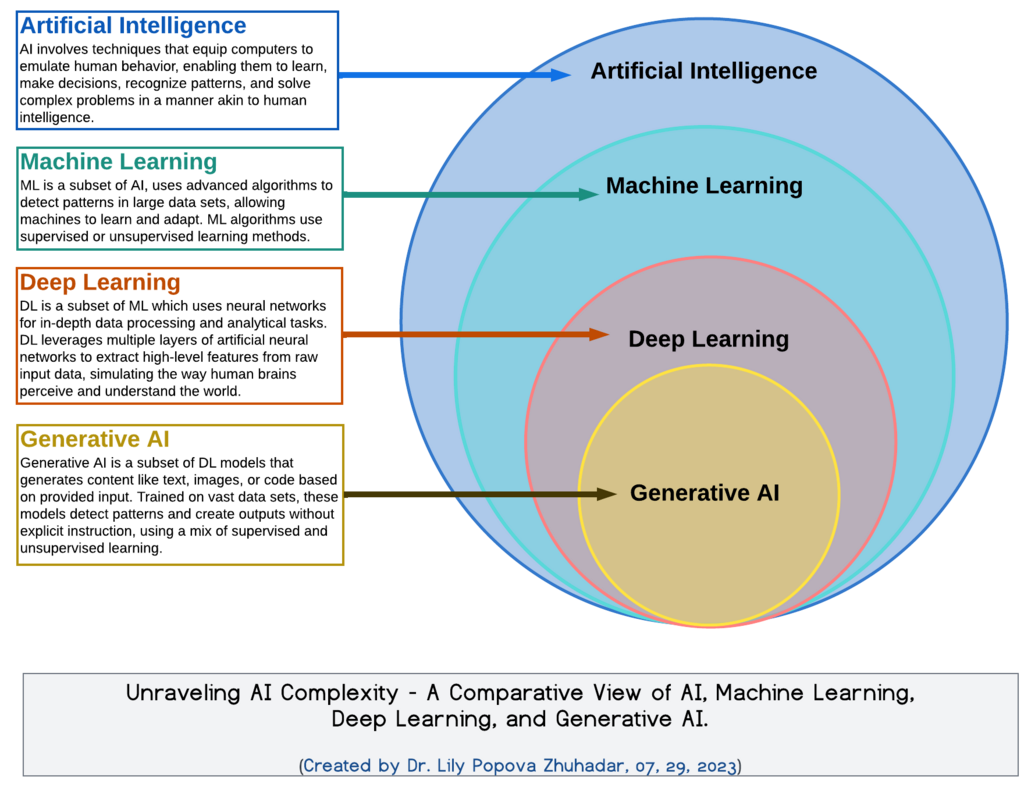
This ability to create is a major leap forward. It unlocks new possibilities for how we interact with technology, automate tasks, and even approach creative work. Generative AI sits at the cutting edge of a field that has been building for years.
The Role of Foundational Models
The engine behind most modern generative AI is something called a foundational model. These are massive, versatile AI models trained on a huge, diverse dataset. The 'foundational' part of the name is key; they aren't built for one specific task. Instead, they serve as a powerful, general-purpose base that can be adapted for many different applications.
Imagine a chef who has spent years mastering every fundamental cooking technique, from knife skills to sauce making. That chef can then quickly learn to specialize in any specific cuisine, whether it's Italian pasta or Japanese sushi. A foundational model is like that master chef. It has a broad understanding and can be fine-tuned to write an email, generate code, or create a marketing slogan with minimal extra training.
These models act as a starting point. By building on top of this pre-trained foundation, developers can create sophisticated AI tools without needing the immense resources required to train a massive model from scratch.
Real-World Applications
The ability to generate new content has applications across nearly every industry. It's not just a theoretical concept; it's already changing how work gets done.
| Industry | Application of Generative AI |
|---|---|
| Software Development | Writing code snippets, debugging, and drafting documentation. |
| Marketing & Sales | Creating personalized ad copy, social media posts, and email campaigns. |
| Healthcare | Aiding in drug discovery by generating novel molecular structures. |
| Entertainment | Assisting artists with concept art, writing scripts, and composing music. |
| Customer Service | Powering intelligent chatbots that can handle complex user queries. |
| Education | Developing personalized learning materials and practice questions for students. |
This is just the beginning. As the underlying models become more powerful and accessible, we'll see generative AI integrated into more of the tools we use every day, acting as a creative partner and a powerful assistant.
What is the primary difference between traditional AI and generative AI, according to the text?
In the context of generative AI, what is a foundational model?