Gen Z Unlocked
Understanding Gen Z
The First Digital Natives
Generation Z has never known a world without the internet. Born roughly between 1997 and 2012, they are the first true “digital natives.” From their earliest years, information, entertainment, and social connection have been just a tap away. This constant connectivity isn’t just a habit; it’s fundamental to how they see and interact with the world.
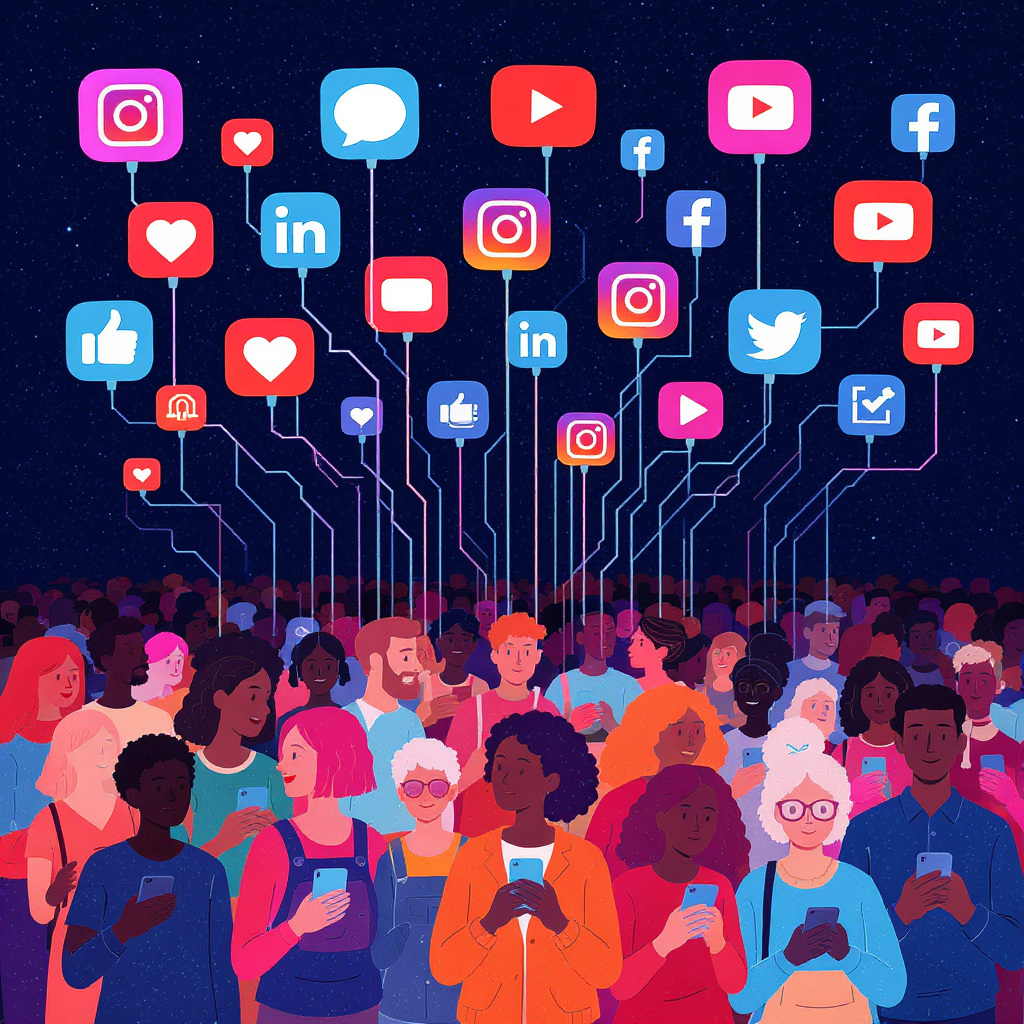
Growing up with smartphones means Gen Z is used to instant gratification and rapid information exchange. They are masters of multitasking across multiple screens and platforms, quickly filtering through vast amounts of content to find what’s relevant. This environment has shaped a preference for communication that is fast, visual, and direct.
A New Set of Values
Gen Z’s digital upbringing has cultivated a strong set of core values, starting with authenticity. Having been exposed to advertising their whole lives, they have a built-in filter for anything that feels overly polished or insincere. They gravitate toward brands, influencers, and employers who are transparent and genuine.
Gen Z is particularly savvy and quick to spot inauthenticity.
Inclusivity is another cornerstone. This generation is the most racially and ethnically diverse in history, and they expect to see that diversity reflected in the media they consume, the products they buy, and the places they work. They are also deeply concerned with social and environmental issues, often using their digital platforms to advocate for causes they believe in. They expect brands and employers to take a stand on important issues, moving beyond simple statements to enact meaningful change.

This value system directly impacts their behavior. As consumers, they support businesses that align with their principles. As employees, they seek workplaces with a strong sense of purpose and a culture that values individuality and social responsibility.
Where They Connect
To understand Gen Z, you have to understand their digital hangouts. Platforms like TikTok, Instagram, and Snapchat are more than just apps; they are central hubs for communication, entertainment, and community-building. These platforms prioritize short-form, visually engaging video content, which caters to this generation's communication style.
On these platforms, trends can emerge and spread globally in a matter of hours. The content is often user-generated, participatory, and feels more personal than traditional media. It’s where Gen Z discovers new ideas, forms opinions, and shares their lives. For businesses and organizations, being absent from these platforms means being invisible to a huge segment of the population. In the workplace, this translates to a preference for collaborative tools and communication styles that are more dynamic and less formal than traditional email.
Now, let's test your knowledge on these foundational concepts.
What is the primary characteristic that defines Generation Z as "digital natives"?
A brand wants to earn the trust of Gen Z consumers. Based on their core values, which approach is most likely to be effective?
In essence, Gen Z's identity is shaped by the fusion of their digital and physical worlds. Their values of authenticity and inclusivity, combined with their preference for fast, visual communication, are redefining expectations for how we interact, consume, and work.