Gen Z Trends and Slang Decoded
Understanding Gen Z
Who is Gen Z?
Generation Z includes anyone born between 1997 and 2012. They are the first generation to grow up entirely in the digital age, which fundamentally shapes how they see the world. Unlike Millennials, who were digital pioneers adapting to new technologies, Gen Zers are true digital natives. The internet, smartphones, and social media have always been part of their lives.
Digital Native
noun
A person who has grown up in the digital age, rather than having to adapt to new technology later in life.
This constant connectivity isn't just a convenience for them; it's a core part of their reality. It influences how they learn, communicate, and form their identities. Information has always been instant and abundant, and global connections are just a click away. This environment has cultivated a generation that is highly adaptable and accustomed to rapid change.
Core Values and Traits
Gen Z is often described as pragmatic and value-driven. They prioritize authenticity, transparency, and social responsibility from the people, institutions, and brands they interact with. Having witnessed older generations face economic instability, they tend to be cautious and financially minded.
Gen Z-ers express a deeply humanist value system, emphasizing issues that include race and gender equality, social justice, sustainability, and self-care.
They are also highly individualistic, placing a strong emphasis on self-expression and identity. However, this individualism is balanced with a deep desire for community and connection, often found and nurtured in online spaces. Mental health awareness is another key characteristic, with Gen Z being more open to discussing and prioritizing emotional well-being than previous generations.
A Diverse and Global Outlook
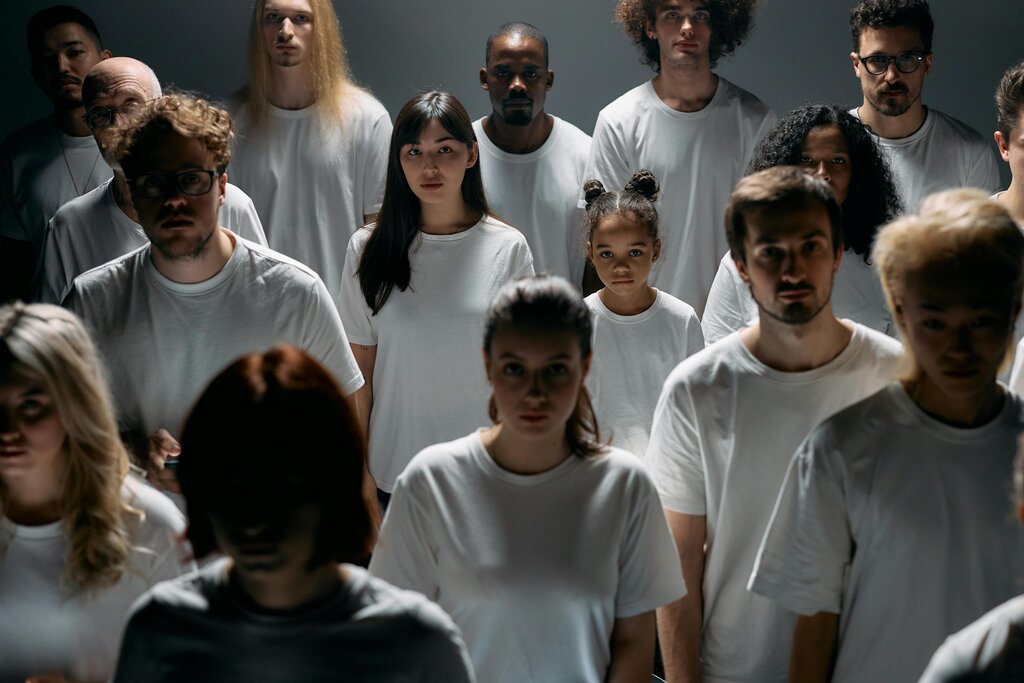
Gen Z is the most racially and ethnically diverse generation in history. This diversity is a lived reality, not just an abstract concept. It has fostered a generation that is generally more inclusive and open-minded regarding different cultures, identities, and perspectives.
Their digital nativity also gives them a global perspective. Through social media, they are exposed to global events, trends, and cultures in real time. This has shaped their worldview, making them more aware of and engaged with international issues, from climate change to social justice movements around the world.
Their upbringing in a diverse, interconnected world means they often see issues through a global lens, understanding that local actions can have worldwide consequences.
Growing up in the shadow of events like the 9/11 attacks, the 2008 financial crisis, and ongoing political polarization has made Gen Z realistic, and at times, skeptical of established institutions. They've learned that the world can be uncertain, which has reinforced their pragmatic nature and their drive to create change on their own terms.
Time for a quick check on what we've covered.
What is the primary distinction made between Generation Z and Millennials in their relationship with technology?
Which of the following is NOT listed as a core value for Generation Z?
Understanding these foundational elements of the Gen Z experience is the first step in connecting with them, whether as a leader, a marketer, or simply a fellow member of society.