Gen Z Decoded
Understanding Gen Z
Who Is Gen Z?
Generation Z includes anyone born between 1997 and 2012. They are the generation that followed the Millennials and preceded Generation Alpha. You might hear them called “zoomers,” a playful nod to the “boomers” of an older generation.

What makes this group distinct is the world they grew up in. They don’t remember a time before the internet, smartphones, or social media. This constant connectivity has profoundly shaped how they see the world, communicate, and what they value.
The First Digital Natives
While Millennials were digital pioneers who adapted to emerging technologies, Gen Z are true digital natives. They learned to swipe and tap before they could read and write. For them, the digital and physical worlds aren't separate realms; they are completely intertwined.
This fluency with technology means they expect information to be instant and communication to be seamless. They navigate multiple online platforms effortlessly, often building communities and forming identities in digital spaces. Their online presence is a natural extension of their offline lives.
For Gen Z, technology isn't just a tool. It's an environment.
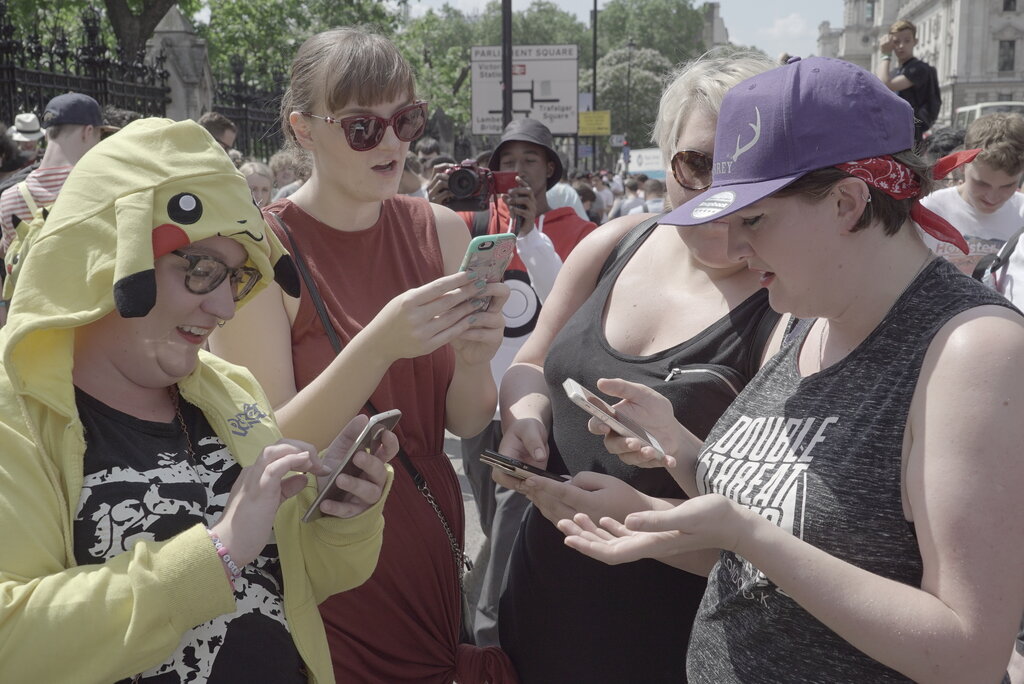
This upbringing has made them highly visual communicators. They are more comfortable expressing themselves through images, memes, emojis, and short-form videos than through long blocks of text. Information needs to be quick, engaging, and to the point to capture their attention.
Generational Differences
Gen Z grew up in the shadow of major global events, such as the 2008 financial crisis and ongoing social and political unrest. This has fostered a sense of pragmatism and a strong desire for stability, both financially and professionally. Unlike the more optimistic Millennials who came of age during a period of economic prosperity, Gen Z is often more cautious and realistic.
Their values have also been shaped by unprecedented access to information and global perspectives. They are highly aware of social issues and place a strong emphasis on authenticity, inclusivity, and social justice. They expect transparency from institutions, brands, and leaders.
Gen Z has a keen eye for inauthentic messaging and can easily spot when brands are not being genuine.
Here’s a quick comparison of some general traits often associated with Millennials and Gen Z.
| Trait | Millennials (Born 1981-1996) | Gen Z (Born 1997-2012) |
|---|---|---|
| Technology | Digital Pioneers | Digital Natives |
| Outlook | Optimistic, Collaborative | Pragmatic, Independent |
| Communication | Text-based, longer-form social media | Visual, short-form video |
| Values | Experiences, Self-expression | Authenticity, Social Justice, Security |
Of course, these are broad generalizations. Every individual is unique, but these trends help us understand the cultural shifts between generations.
Ready to check your understanding?
What is the primary distinction between Millennials' and Gen Z's relationship with technology?
According to the text, which major event shaped Gen Z's sense of pragmatism and desire for stability?
Understanding Gen Z isn't about memorizing stereotypes. It's about recognizing the unique environment that shaped their worldview and appreciating the fresh perspectives they bring.