Gemstone Photography for E-commerce
Introduction to Gemstone Photography
Why Photos Sell Gems
When you sell a gemstone online, your photos are your storefront. Customers can't hold the stone, turn it in the light, or examine it with a loupe. All they have is the image on their screen. That single image must communicate the gem's color, clarity, cut, and character. It has to build trust and convey value.
Great photography makes a gemstone feel tangible. It highlights the precise details of the cut and the purity of its color. Poor photos, on the other hand, can make a masterpiece look like a cheap imitation. They create doubt and make potential buyers hesitate. Your camera is your most important tool for turning a browser into a customer.
One of the most important things to consider when selling jewelry online are high-quality product photos with different angles and optimal lighting.
The Challenge of Sparkle
Gemstones are tricky subjects. They are small, full of intricate details, and their surfaces are designed to be highly reflective. The very facets that create a beautiful sparkle in person can cause distracting glare and harsh highlights in a photograph. Managing these reflections is one of the biggest hurdles.
Capturing the stone's true color is another major challenge. The type of light you use can dramatically change a gem's appearance, making a blue sapphire look dull or a red ruby appear orange. The goal is to present the gemstone as accurately as possible, so the customer receives exactly what they see online.
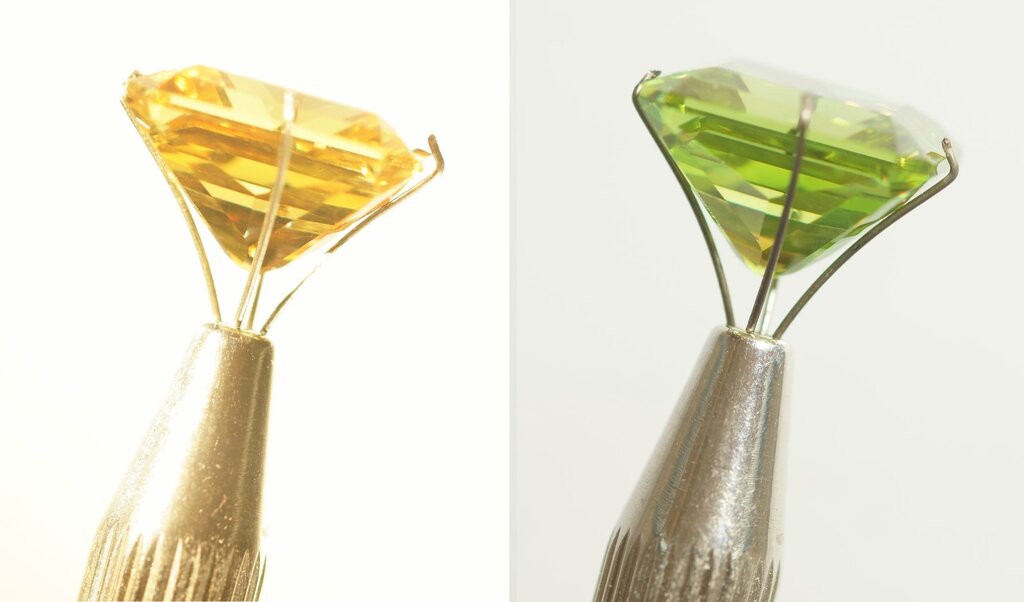
Finally, you have to capture the fine details. Inclusions, facet edges, and subtle color variations are all part of a gem's unique identity. A blurry or poorly lit photo will obscure these features, hiding the very things that make the stone special.
Your Basic Toolkit
You don’t need a Hollywood film budget to take great gem photos, but a few key pieces of equipment are essential. This gear helps you control the three most important elements of any photo: light, stability, and focus.
| Equipment | Why It's Important |
|---|---|
| Camera | A DSLR or mirrorless camera that allows manual control over settings like aperture and shutter speed is ideal. |
| Macro Lens | This is crucial. A macro lens is designed for close-up work, allowing you to capture fine details without distortion. |
| Tripod | Gemstone photography requires sharp focus and slow shutter speeds. A sturdy tripod eliminates camera shake, ensuring your images are crisp. |
| Lighting | Soft, diffused light is your best friend. Start with two lights, diffusers (like softboxes), and white foam boards to bounce and soften the light. |
| Light Box | A light box or tent provides a clean, neutral background and helps create even, diffused lighting, which is perfect for reducing glare on gemstones. |
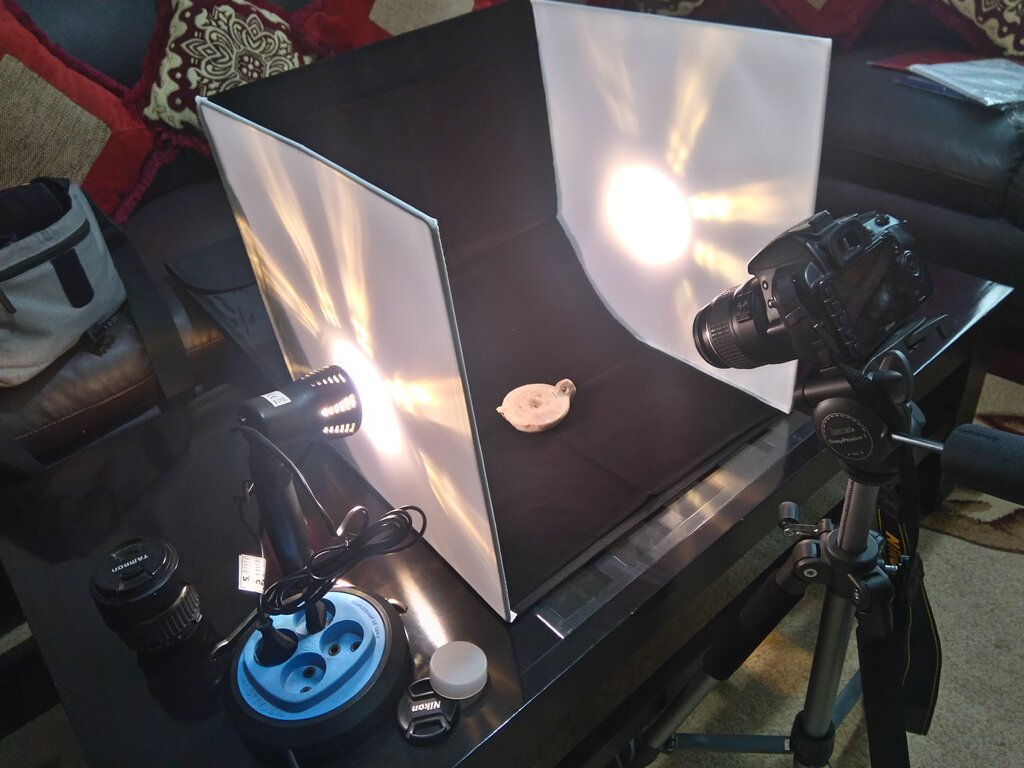
This basic setup gives you the control needed to tackle the challenges of gemstone photography. With it, you can stabilize your camera for maximum sharpness, shape the light to reveal the gem's beauty, and use your lens to get in close and capture every important detail.
Why are high-quality photographs so crucial when selling gemstones online?
What is identified as one of the biggest photographic hurdles to overcome due to a gemstone's facets?