Gem Crafting and GEMINI Integration
Gemology Basics
What Makes a Gemstone?
A gemstone is a piece of mineral crystal which, in cut and polished form, is used to make jewelry or other adornments. However, certain rocks, like lapis lazuli, and organic materials, like amber or pearl, are also used for jewelry and are therefore often considered to be gemstones as well.
Most gemstones are hard, but some soft minerals are used in jewelry because of their luster or other physical properties that have aesthetic value. What truly sets a gemstone apart are three key qualities: beauty, rarity, and durability. Beauty refers to its color, clarity, and brilliance. Rarity means it's not commonly found. Durability is its ability to resist scratches and breakage, ensuring it lasts for generations.
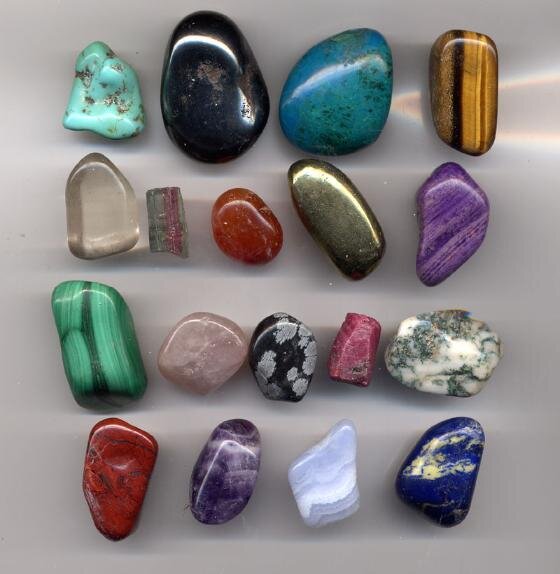
Gemstones are broadly classified in a few ways. You've likely heard the terms "precious" and "semi-precious." Historically, precious stones were the big four: diamond, ruby, sapphire, and emerald. All others were considered semi-precious. Today, this distinction is less rigid, as the value of a gem depends more on its individual quality than its category.
A more scientific classification is based on mineral species and varieties. A mineral species is defined by its chemical composition and crystal structure. For example, both ruby and sapphire are varieties of the same mineral species, corundum. The only difference is the trace elements that give them their distinct colors.
| Mineral Species | Variety (Gemstone) | Chemical Composition |
|---|---|---|
| Beryl | Emerald, Aquamarine | Be₃Al₂(SiO₃)₆ |
| Corundum | Ruby, Sapphire | Al₂O₃ |
| Quartz | Amethyst, Citrine | SiO₂ |
| Diamond | Diamond | C |
Physical Properties
Every gemstone has a unique set of physical properties that act like a fingerprint, allowing gemologists to identify it. These properties are consistent and measurable.
Hardness
noun
A measure of a mineral's resistance to being scratched. It is commonly measured on the Mohs scale from 1 (softest) to 10 (hardest).
Hardness is crucial for durability. A diamond, with a Mohs hardness of 10, can scratch any other mineral. Quartz, at 7, is a benchmark because it's a common component of dust. A gem used in a ring should ideally be harder than 7 to avoid being scratched by everyday dust.
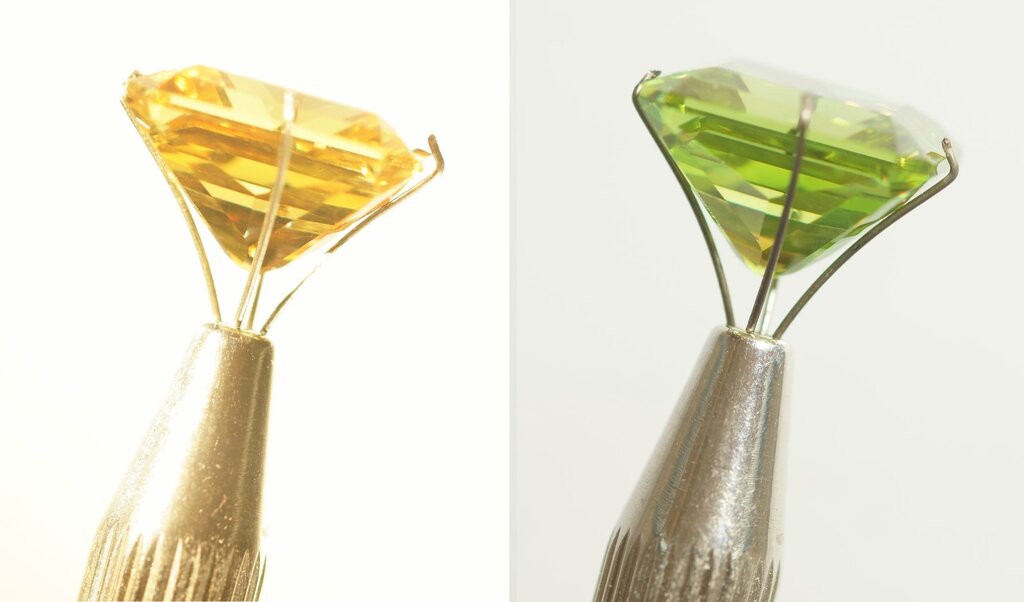
Other important physical properties include luster (how light reflects off the surface), specific gravity (its density compared to water), and cleavage (its tendency to break along flat planes). Gemstones also have distinct optical properties. Color is the most obvious, but gemologists also look at phenomena like asterism (a star-like effect), chatoyancy (a cat's-eye effect), and pleochroism, where a gem shows different colors when viewed from different angles.
Chemical Composition
At their core, gemstones are minerals with a specific chemical formula and a highly ordered atomic structure, which we call a crystal lattice. A diamond is simply crystallized carbon ().
The mineral corundum, which is aluminum oxide (), is colorless in its pure form. However, when trace amounts of other elements are introduced during its formation, it transforms into some of the most sought-after gems. A tiny bit of chromium creates the fiery red of a ruby, while traces of iron and titanium produce the deep blue of a sapphire.
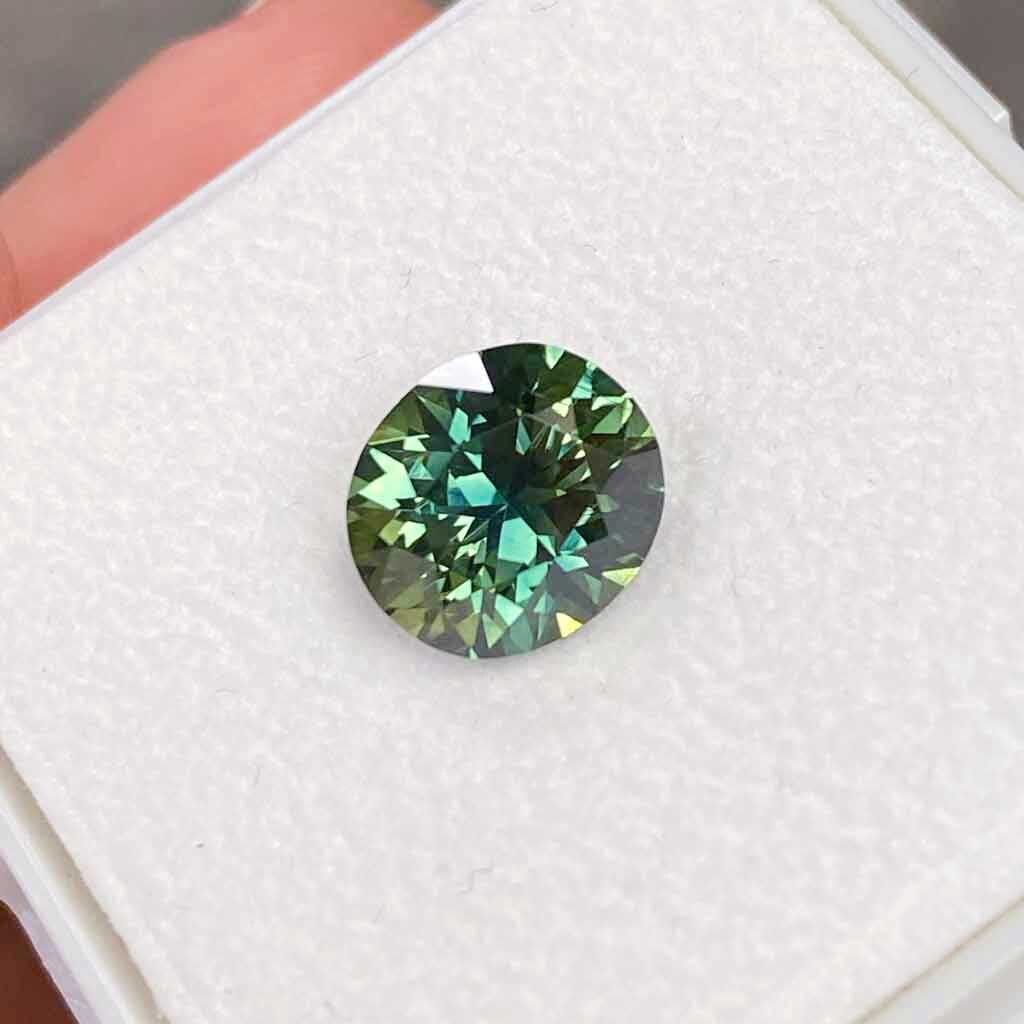
These chemical impurities are responsible for the incredible spectrum of colors we see across the gem world. Even slight variations in chemistry can create a completely different gemstone.
How Gems Are Identified
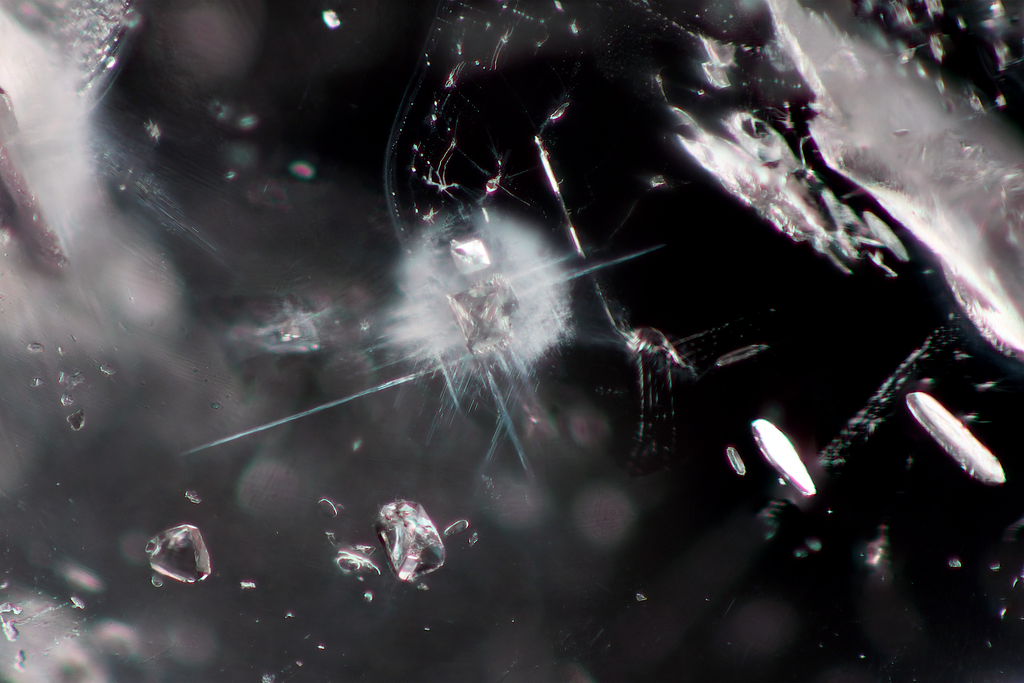
Identifying a gemstone is a process of elimination using specialized tools to test its physical and optical properties. A gemologist will never rely on sight alone. A 10x loupe is the first tool, used to magnify the gem and look for inclusions, which are tiny imperfections trapped inside. These inclusions can be minerals, gas bubbles, or fractures, and they often provide crucial clues to the gem's identity and origin.
Other standard tools include a refractometer, which measures how much a gem bends light (its refractive index), and a polariscope, which helps determine its crystal structure. By combining the results from several non-destructive tests, a gemologist can confidently identify a gemstone and distinguish it from imitations.
Ready to test what you've learned about the world of gems?
According to the text, what are the three key qualities that define a gemstone?
Ruby and sapphire are both varieties of which mineral species?
Understanding these fundamentals opens the door to appreciating the science behind the sparkle.